
Plants
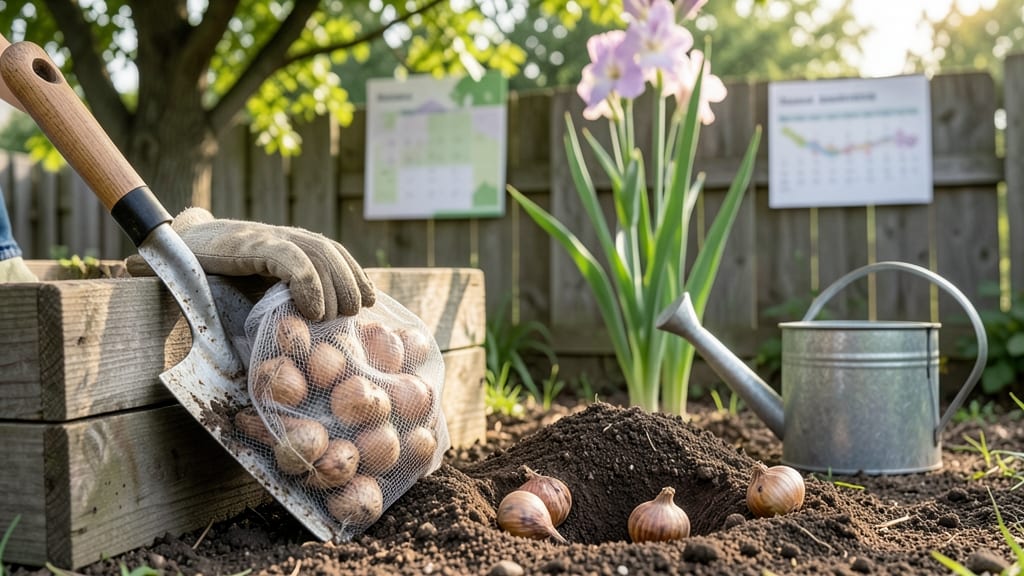
Timing when to plant gladiolus bulbs in the UK just right means the difference between stunning summer blooms and frost-nipped disappointment. These striking 🌸 flowers need warmth to thrive, so getting the window wrong could leave you with nothing but empty soil come July.
Most UK gardeners swear by planting between late April and early June, but your exact date depends on where you live. Coastal areas with milder climates can start earlier, while inland spots should wait until the last frost has passed—typically around mid-May in most regions.
What makes this tricky is the UK’s unpredictable weather. A late frost can still sneak in, so I’ll show you how to check your local frost dates and adjust your schedule. Plus, I’ll share soil prep tips to give your gladiolus the best possible start.
Follow these exact steps, and you’ll enjoy vibrant flowers from July to September—without the stress. Let’s get those corms in the ground at the perfect moment for your climate.
UK gladiolus planting calendar: exact months by region
Gladiolus bulbs (corms) thrive in the UK when planted after the last frost date, but the exact timing varies by region. In England, most areas see frost-free conditions by mid-May, while Scotland and Northern Ireland often wait until late May or early June.
Wales falls somewhere in between, with coastal areas warming earlier than inland spots.
For southern England, aim to plant between late April and early May. Gardeners in London, the Southeast, or Cornwall can push to mid-April if soil temperatures stay above 10°C (50°F).
Meanwhile, northern regions like Yorkshire or the Scottish Borders should delay until early to mid-June to avoid late frosts.
🌸 Pro Tip: Use a soil thermometer to confirm ground temps are consistently above 10°C (50°F)—this signals it’s safe to plant.
| Region | Last Frost Date | Ideal Planting Window | Micro-Climate Adjustments |
|---|---|---|---|
| Southern England (London, Southeast, Cornwall) | Mid-April to early May | Late April to early May | Coastal areas: 1-2 weeks earlier |
| Midlands (Birmingham, Manchester) | Late April to early May | Early to mid-May | Inland areas: delay by 1 week |
| Northern England (Yorkshire, Lake District) | Early to mid-May | Mid-May to early June | Higher elevations: delay by 2 weeks |
| Scotland (Edinburgh, Glasgow) | Late May to early June | Early to mid-June | Coastal: 1 week earlier; Highlands: delay by 3 weeks |
| Wales (Cardiff, Snowdonia) | Early to mid-May | Late May | Valleys: 1 week earlier; mountains: delay by 2 weeks |
| Northern Ireland (Belfast) | Late May | Early June | Coastal: 1 week earlier |
If you’re unsure about your local frost dates, check the Met Office’s historical data or use a frost-free calculator for your postcode. For example, Edinburgh averages its last frost on May 15th, while London typically sees frost-free skies by April 20th.
For coastal gardens, where temperatures rise faster, you can plant 1-2 weeks earlier than inland areas. However, avoid planting too soon—cold, wet soil can stunt root growth and delay blooming. Aim for warm, well-drained soil with temperatures above 10°C (50°F).
🌿 Regional Reality Check: Even in warmer micro-climates, a late frost can still occur. Always have a frost cloth ready to protect young shoots if nighttime temps drop below 5°C (41°F).
Once planted, gladiolus corms need 6-8 weeks to establish roots before they’ll tolerate cooler nighttime temperatures. This means if you plant in late May, you’ll likely see blooms by July or August, just in time for peak summer color.
💡 UK-Specific Hack: Use black plastic mulch to warm the soil faster in cooler regions. This can shave 1-2 weeks off your planting window by raising soil temperatures by 5-10°C (9-18°F).
Finally, remember that gladiolus bulbs are not frost-tolerant once they sprout. If a late frost hits after planting, cover them with garden fleece or a cloche until danger of frost has passed. This extra protection ensures your vibrant summer blooms aren’t ruined before they even begin to grow.
5 Critical factors that determine your planting date
Planting gladiolus bulbs at the right time in the UK isn’t just about picking a month—it’s about understanding 5 key factors that can make or break your blooms. The wrong timing risks frost damage or stunted growth, while perfect conditions guarantee those dramatic 🌸 summer spikes you love.
First, soil temperature must reach at least 10°C (50°F)—any cooler, and your corms rot before sprouting. In the UK, this typically happens by mid-May, but coastal areas like Cornwall may hit this earlier, while Scotland’s highlands lag behind.
Next, check your last frost date—planting too soon risks frost-nipping tender shoots. The Met Office’s 30-year averages show London’s last frost is usually by mid-April, but rural Yorkshire can see late frosts until early June. Always wait 4-6 weeks after your local date.
Daylight hours also matter: gladiolus need 12+ hours of light daily to thrive. In the UK, this happens naturally by late March, but combining this with warm soil ensures robust growth. I recommend using a light meter or tracking sun exposure for 2-3 days before planting.
Don’t overlook bulb maturity—older corms (2+ years) establish faster than fresh ones. If you’re using pre-sprouted bulbs, plant them 2 weeks earlier than standard corms, as they need less time to root. Check for firm, plump corms with no soft spots.
Finally, consider your microclimate. Urban areas with concrete heat up faster, while shaded gardens stay cooler. If your spot is sheltered (e.g., near a south-facing wall), you can plant 2-3 weeks earlier than open areas.
Always dig a test hole—if the soil feels cold to your bare hand, wait longer.
The perfect planting window balances all these factors. For most UK gardeners, that’s late May to early June, but your exact date depends on where you live. Use this