
Plants
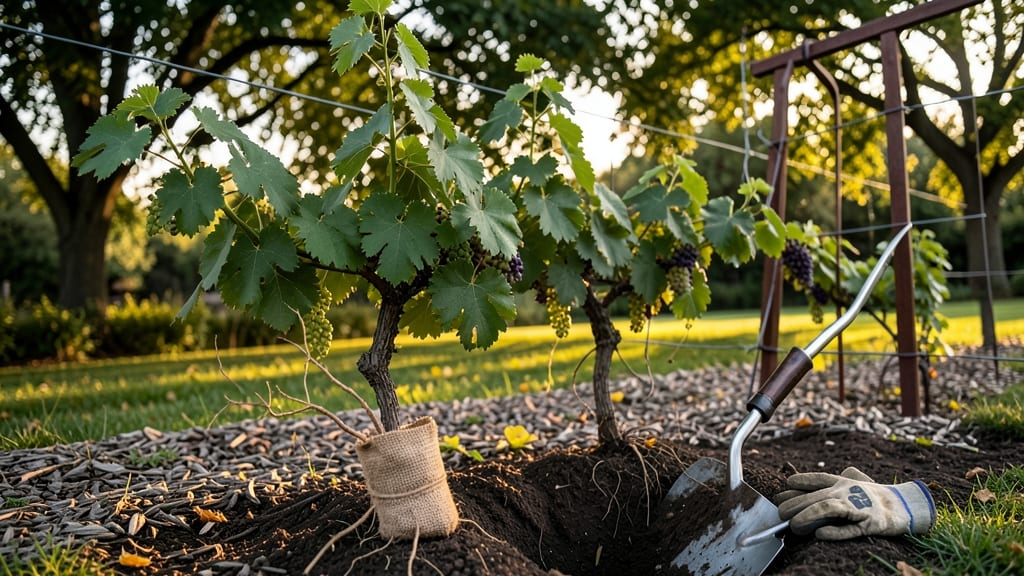
Planting grapes in Arizona isn't just about timing—it's about surviving the desert's brutal swings from 110°F summers to unexpected frost. The perfect window is narrow, and missing it means struggling with heat stress or winter dieback.
Whether you're growing Thompson Seedless 🍇 for snacks or Cabernet Sauvignon for wine, winter's cool months (November–February) are your only shot at success.
Why? Because Arizona's 9b climate demands you plant when the soil cools below 70°F—giving young vines time to root before the heat arrives. Skip this, and you'll face wilting vines or stunted growth.
The key is understanding your microclimate: Phoenix's low desert behaves differently than Flagstaff's high desert, and even Tucson's urban areas have unique challenges.
I've seen firsthand how one wrong month can turn a thriving vineyard into a lesson in failure. But here's the good news: with the right prep—like shade cloth, drip irrigation, and heat-tolerant varieties—you can beat the odds.
Let me walk you through the exact steps to plant grapes in Arizona, from soil prep to frost protection, so your vines don't just survive, but thrive.
We'll cover everything from container planting for urban growers to adjusting for monsoon rains, so you're ready no matter where you're in the state. Ready to turn your backyard into a grape-growing success story?
Arizona’s 3 heat zones: best planting months by region
Arizona’s diverse desert climates create three distinct heat zones, each with unique planting windows for grapes. The Low Desert (Phoenix/Tucson), Mid Desert, and High Desert (Flagstaff) all demand different timing to avoid frost damage or heat stress.
I’ll break down the best months for each zone, so you can plant with confidence and maximize your harvest.
In the Low Desert (USDA Zones 9b-11), where nights rarely drop below 40°F, your planting window is November through early March. This zone’s mild winters and intense summers mean you must plant dormant bare-root vines before the April heatwave hits.
Urban areas like Phoenix may experience microclimates with slightly cooler pockets—ideal for container planting.
The Mid Desert (Zones 7b-9a), including Prescott and Sedona, offers a broader window from October to April. Cooler nights and occasional frost risk in late winter mean you can start earlier, but avoid planting after March 15 to prevent spring heat stress.
This zone is perfect for heat-tolerant varieties like ‘Thompson Seedless’ or ‘Cabernet Sauvignon’.
For the High Desert (Zones 6a-7a), such as Flagstaff, your best bet is late April to early June or September to October. The longer frost season here means spring planting is riskier, but fall planting allows vines to establish roots before winter.
Choose cold-hardy varieties like ‘Concord’ or ‘Niagara’ for these elevations.
Regardless of your zone, always check your local frost dates—Arizona’s monsoon season (July–September) can bring unexpected rain, so avoid planting during this time. For urban gardeners, containers offer flexibility, but ensure they’re at least 15 gallons and placed in full sun.
Soil temperature is another critical factor. Grapes thrive when soil is between 60–70°F. Use a soil thermometer to confirm readiness—planting too early in cold soil can stunt root growth.
In the Low Desert, soil warms quickly, so aim for mid-November to give roots time to establish before summer.
If you’re in a transition zone (e.g., near the White Mountains or Tonto National Monument), err on the side of earlier planting. These areas can experience unpredictable frost, so October planting is often safer. Always monitor weekly weather forecasts and adjust your timeline accordingly.
For container growers, timing is even more critical. Containers heat up 3–5°F warmer than in-ground soil, so plant 4–6 weeks earlier than your zone’s recommended window. Use black plastic mulch to warm the soil faster and drip irrigation to maintain moisture in the shallow root zone.
Pro tip: Mark your planting date on a calendar and plan for 120–150 days to harvest. Arizona’s long growing season means you can often get two harvests per year if you plant early spring and late summer varieties—but this requires careful pruning and irrigation management.
Critical factors that determine your planting date
Arizona’s extreme temperature swings and arid climate mean your grape planting date isn’t just about the calendar—it’s about soil temperature, variety hardiness, and even irrigation reliability. Planting too early risks frost damage, while waiting too late exposes young vines to 100°F+ heat stress.
Let’s break down the key factors that’ll help you pick the perfect window.
First, check your soil temperature—grapes thrive when it’s between 60–70°F. In Arizona’s Low Desert (Phoenix/Tucson), this typically happens in late February to early March, while High Desert (Flagstaff) areas can plant as early as October.
Use a soil thermometer to confirm readiness; planting when the soil is too cold stunts root growth.
Variety selection is another game-changer. Vitis vinifera (wine grapes like Cabernet Sauvignon) need cooler nights and are best planted in winter or early spring, while native American grapes (e.g., ‘Thompson Seedless’) tolerate heat better and can handle spring planting. Always choose varieties labeled for your USDA zone (9a–11).
Planting during Arizona’s monsoon season (July–September) is a recipe for disaster. Heavy rains drown roots, while sudden downpours wash away young, shallow root systems. If you miss the ideal window, opt for container planting to control moisture better.
Your water source also dictates timing. Drip irrigation is ideal, but if you’re relying on hand-watering, plant when you can commit to daily deep watering (1–2 gallons per vine). Urban gardeners should plant in containers with drainage holes to prevent root rot—a common issue in Arizona’s clay-heavy soils.
Finally, consider microclimates. A north-facing yard stays cooler than a south-facing one, while urban areas with concrete heat absorption may require shade cloth during early growth. Use these factors to narrow your window by 2–4 weeks—precision is key in Arizona’s unpredictable climate.
Pro tip: If you’re unsure, plant in late February—this gives vines time to establish roots before summer’s brutal heat. For High Desert growers, October planting avoids frost while leveraging cooler nights. Timing is everything—get it right, and you’ll reap a bountiful harvest! 🍇