
Plants
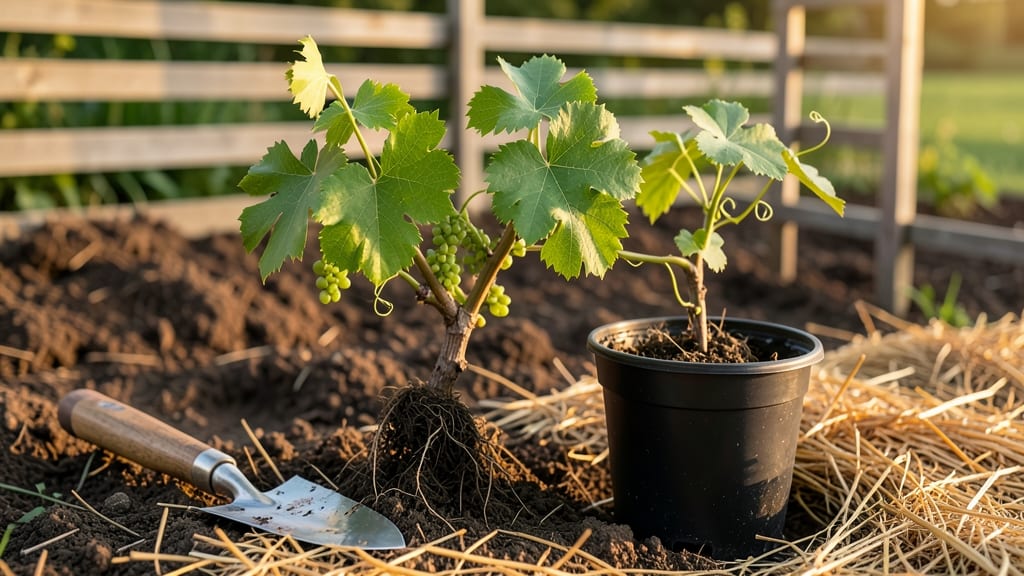
Planting grapes in Florida isn’t just about grabbing a vine and sticking it in the ground—it’s about matching your variety to the right chill hours and timing.
With USDA zones 8a-11 and year-round growing potential, Florida’s climate lets you plant 🍇 grapes almost anytime, but winter is your golden window for bare-root vines.
Too many gardeners assume Florida’s heat means grapes thrive year-round, but without the right chill hours, your vines could struggle to fruit. Muscadines and scuppernongs handle our humidity better than vinifera varieties, but even they need the cool months to set buds properly.
I’ll show you exactly when to plant for your region—whether you’re in frost-prone North Florida or the frost-free South.
You’ll discover how to prep your soil, protect young vines from unexpected cold snaps, and choose varieties that match your microclimate. No more guessing games—just science-backed timing to get your grapes off to a strong start. Let’s dive into the perfect planting schedule for your Florida garden.
From January’s ideal bare-root window to container-grown flexibility, we’ll cover it all. By the end, you’ll know exactly when to plant for maximum fruit production—and avoid the common mistakes that waste time and money. Ready to grow grapes that thrive in Florida’s heat? Let’s get started.
Florida grape planting timeline by chill-hour requirements
Florida’s unique climate—spanning USDA zones 8a to 11—means grape varieties must align with chill-hour needs to thrive. Unlike cooler climates, Florida’s 300–1,000 chill hours (below 45°F) dictate which varieties succeed.
Native muscadines and scuppernongs (300–500 hours) dominate, while Vitis vinifera (700–1,000 hours) struggle unless grown in high-elevation microclimates like the Panhandle hills.
Chill hours accumulate during winter’s cooler months, so planting timing directly impacts vine dormancy and fruiting.
For example, ‘Carlos’ muscadines (400 hours) planted in January in North Florida will enter dormancy naturally, while the same variety in South Florida (200–300 hours) may require artificial dormancy tricks like pruning or shade cloth.
Here’s how chill-hour needs break down by grape variety and Florida region, with optimal planting windows to maximize chill accumulation:
For North Florida (e.g., Panhandle, Gainesville), where chill hours reach 500–800, January–March is ideal for bare-root planting.
The soil is cool but not frozen, and vines establish roots before summer heat arrives. Central/South Florida (e.g., Orlando, Miami) sees 200–400 chill hours, so muscadines thrive year-round in containers, while Vitis vinifera fails without artificial chill.
Pro tip: Use a chill-hour calculator (like the one from UF/IFAS Extension) to match your zip code’s chill hours to the right variety. For example, ‘Fry’ muscadines (300 hours) work in South Florida, while ‘Bluebunch’ grapes (600 hours) need North Florida’s cooler winters.
If you’re in Zone 10–11 (e.g., Miami, Fort Lauderdale), skip traditional dormancy and plant container-grown vines in early spring. Move pots indoors during summer’s peak heat (above 90°F) to prevent stress. For North Florida, winter planting ensures vines experience natural dormancy before flowering.
One common mistake? Planting Vitis vinifera in South Florida
Step-by-step planting calendar for Florida’s two main regions
Florida’s geography creates two distinct grape-growing zones: the cooler North (Panhandle, Gainesville) and the frost-free Central/South (Orlando, Miami). Your planting window depends on whether you’re working with bare-root vines or container-grown plants—and your region’s last frost date.
For North Florida, aim for January-March when chill hours accumulate, while South Florida’s longer growing season lets you plant year-round with container flexibility.
Let’s break down the ideal schedule for each region, including soil prep, frost protection, and transplanting tips tailored to Florida’s unique microclimates.
Whether you’re dealing with 300 chill hours in the Panhandle or zero frost risk in Miami, this calendar ensures your vines establish strong roots before summer’s heat stress hits.
| Region | Best Planting Window | Soil Prep | Frost Protection | Transplant Tip |
|---|---|---|---|---|
| North Florida (Zones 8a-9a) | Jan-Mar (bare-root) or Dec-Apr (potted) | pH 5.5-6.5, sandy loam | Row covers for 28°F nights | Soak roots 1 hour before planting |
| Central/South Florida (Zones 10a-11) | Year-round (containers) or Jan-Feb (bare-root) | pH 5.5-6.5, well-draining mix | None needed (frost-free) | Use 5-gallon pots for flexibility |
In North Florida, your January-February window aligns with the natural dormancy period, giving roots time to establish before spring’s heat. For Central/South Florida, container-grown vines let you plant anytime, but January-February still offers the best balance of cool temps and moisture.
Always amend soil with compost and sulfur to adjust pH—Florida’s native soil often tests too alkaline for grapes.
Protect young vines in North Florida with row covers or frost cloth if temperatures dip below 28°F. In South Florida, focus on shade cloth (30%) during summer’s peak heat to prevent heat stress.
Container growers can move pots to shaded areas during afternoon sun, giving you full control over microclimates.
Transplanting bare-root vines? Soak roots for 1 hour before planting to reduce shock. For container-grown grapes, choose pots with drainage holes and use a mix of 50% potting soil, 30% perlite, 20% compost.
Water deeply after planting, and mulch with 3 inches of pine straw to retain moisture and regulate soil temps.
Remember: Florida’s humidity means fungal diseases like black rot are a risk. Space vines 8-10 feet apart for airflow, and prune suckers regularly to keep the canopy open. With this schedule, your grapes will thrive whether you’re in frost-prone Gainesville or Miami’s tropical climate.