
Plants
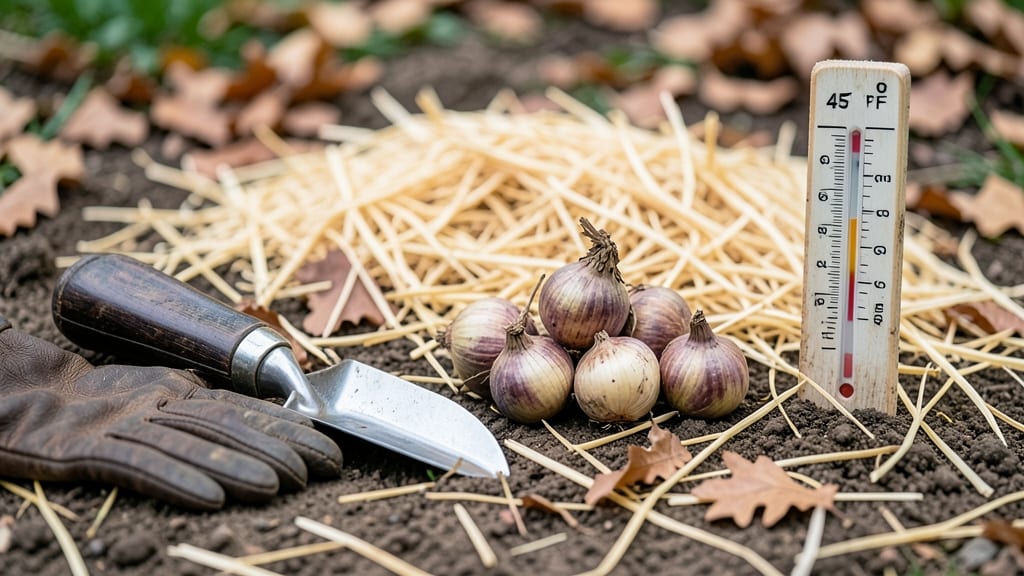
Timing your daffodil bulbs when to plant in the fall is the secret to those cheerful 🌼 blooms popping up in spring—but get it wrong, and you’ll end up with mush instead of flowers.
The key? Planting them 4-6 weeks before the ground freezes, usually in October or November for most of us in Zone 6a.
Think of fall planting as a race against winter: you want those bulbs to root before the cold sets in, but not so early that they sprout too soon.
Too late, and they’ll rot; too early, and they might bolt. The sweet spot? When soil temps dip to 40-50°F—that’s your green light to dig.
Here’s the game-changer: even within the same zone, regional microclimates can shift your window by weeks. Southern gardeners might squeeze in December plantings, while Northerners need to be done by early November.
I’ll break down exactly when to plant where you live, plus pro tips for soil prep, depth, and spacing that’ll have your daffodils thriving.
Ready to set the stage for a spring full of color? Let’s get those bulbs in the ground the right way—no guesswork, just perfect timing. Your future self (and your neighbors) will thank you.
Fall planting timeline for daffodil bulbs by USDA zone
Timing your daffodil bulbs for fall planting depends entirely on your USDA zone. Plant too early, and bulbs may sprout prematurely; too late, and they won’t establish roots before winter.
The golden rule? Aim for 4-6 weeks before the ground freezes, when soil temps hover between 40-50°F. This window ensures roots grow but shoots stay dormant until spring.
Northern gardeners in Zones 3-5 should plant late September to early October. Southern gardeners in Zones 8-10 have until November or even December—but only if your winters are mild. For Zone 6-7, mid-October is ideal. Always check your last frost date and adjust accordingly.
Here’s the zone-by-zone breakdown of ideal planting windows, soil temperature thresholds, and regional adjustments to avoid common mistakes like soggy soil or early sprouting.
| Zone | Ideal Planting Window | Soil Temp Threshold | Regional Adjustments |
|---|---|---|---|
| Zones 3-5 | Late September–Early October | 40–50°F (4–10°C) | Plant before ground freezes; mulch heavily. |
| Zones 6-7 | Mid-October | 45–55°F (7–13°C) | Adjust for early frosts; avoid soggy soil. |
| Zones 8-9 | November | 50–60°F (10–15°C) | Plant after summer heat subsides; no mulch needed. |
| Zone 10 | December (if mild) | 55–65°F (13–18°C) | Avoid planting if frost is possible; use containers. |
For Southern states like Texas or Florida, daffodils thrive in containers for flexibility. Move pots to a shady spot if frost threatens. In Northern states, like Minnesota or Maine, plant deeper (8 inches) and add extra mulch (4-6 inches) to insulate bulbs.
Missed the window? Don’t panic—daffodils can tolerate early spring planting, though blooms may be delayed. Just ensure soil isn’t waterlogged, and bulbs get full sun once shoots emerge. For best results, though, stick to the fall schedule!
One common mistake? Planting in too-wet soil. Daffodils rot if soggy. Amend clay soil with compost or sand, and avoid low-lying areas where water pools. A well-draining raised bed is ideal for heavy-clay regions.
Finally, label your bulbs if planting a mix of varieties. Early bloomers like ‘Tête-à-Tête’ need 6 weeks of chill time, while late bloomers like ‘Ice Follies’ tolerate 4 weeks. This ensures all your daffodils bloom at their best time!
With this zone-specific guide, you’ll have healthy roots and vibrant spring blooms—no guesswork required. Happy planting! 🌱
5 Critical factors that determine perfect fall planting success
Planting daffodil bulbs in the fall isn’t just about picking a month—it’s about creating the right conditions for their roots to establish before winter. I’ve learned the hard way that even the best bulbs can fail if the soil temperature, moisture balance, or planting depth isn’t just right.
Let’s break down the five factors that make or break your fall planting success.
First, soil temperature is your most critical guide. Daffodils need the ground to cool to between 40-50°F (4-10°C) before planting. This ensures they’ll root but not sprout too early. In colder zones (like 3-5), aim for early October, while warmer zones (7-10) can wait until November.
Use a soil thermometer if you’re unsure—it’s a small investment for big results.
Next, planting depth is often overlooked but crucial. Daffodil bulbs should go 6-8 inches deep, which is roughly twice the bulb’s height. In sandy soil, you can plant slightly deeper (up to 9 inches), while clay soil may require shallower planting (5 inches).
Use a bulb planter or trowel to dig holes uniformly—consistency is key to avoiding uneven growth.
Don’t forget spacing, which directly impacts bloom quality. Dwarf varieties (like ‘Tête-à-Tête’) need 4-6 inches between bulbs, while standard types (like ‘Ice Follies’) thrive with 6-8 inches of space.
Overcrowding leads to weak stems and fewer flowers. Sketch a quick grid on paper before planting to visualize spacing—it saves time and frustration later.
After planting, moisture balance is your secret weapon. Water thoroughly after planting to settle the soil, then maintain even moisture without waterlogging. A 2-3 inch layer of mulch (straw or shredded leaves) helps retain moisture and insulate bulbs during winter. Avoid synthetic mulches—they can suffocate bulbs and attract pests.
Finally, sunlight exposure sets the stage for vibrant blooms. Daffodils crave full sun (6+ hours/day), though they tolerate partial shade in hot climates. Before planting, observe your garden’s sunlight patterns.
If your spot gets less than 4 hours of sun, consider container planting near a south-facing window or wall for maximum light exposure.
Pro tip: If you’re in a warmer zone (8-10), plant in November to avoid early sprouting. In cooler zones (3-6), aim for October to give roots time to establish before frost. And always plant 4-6 weeks before your first frost—this is your non-negotiable deadline.