
Plants
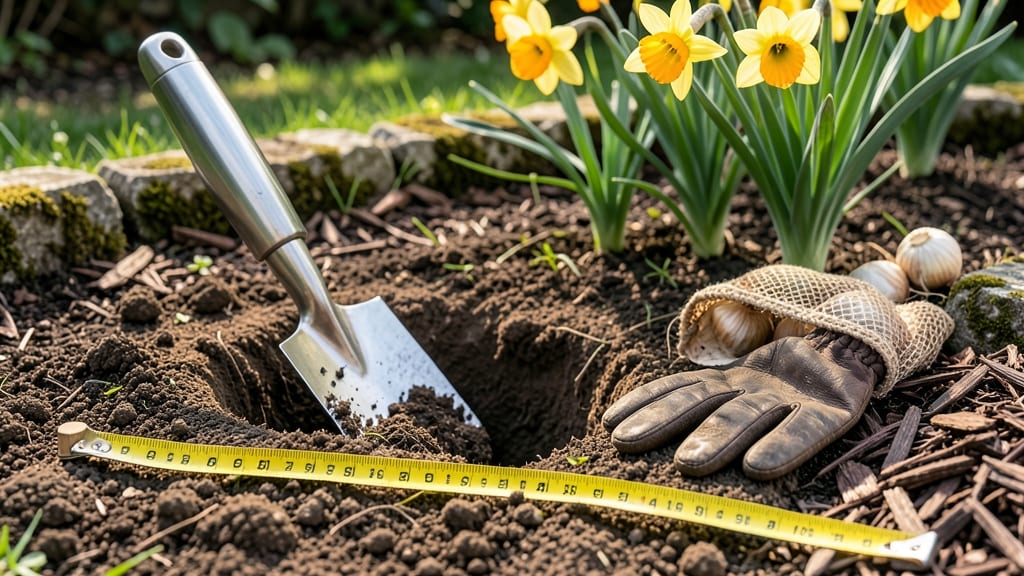
If you’ve ever wondered when to plant daffodil bulbs in Virginia, the answer isn’t just about picking a random fall day—it’s about timing it perfectly to beat the frost and set your 🌼 up for a showstopping spring display.
Virginia’s climate varies dramatically from zone 6a to 8a, and planting too early or too late can mean the difference between vibrant blooms and wasted bulbs.
The sweet spot? 6–8 weeks before the ground freezes, typically between late October and mid-November, depending on where you live in the state.
But here’s the catch: soil temperature and local microclimates play a huge role. A bulb planted too soon in cooler zones might rot, while one planted too late in warmer areas might not root properly before winter.
Let’s break down the exact window for your zone—and how to adjust for early freezes or unexpected warmth.
You’ll also discover the 5 key signs your soil is ready, plus common mistakes Virginia gardeners make (like planting too shallow or ignoring deer threats) that could sabotage your daffodils before they even bloom. Ready to get it right?
Virginia’s optimal daffodil planting window by USDA zone (with exact dates)
Daffodils (Narcissus) thrive in Virginia’s USDA zones 6a–8a, but the exact planting window shifts dramatically from the mountains to the coast. In zone 6a (e.g., Roanoke, Blacksburg), aim for mid-October to early November—before soil temps drop below 50°F.
Meanwhile, zone 8a gardeners (Norfolk, Virginia Beach) can plant until late November or even December, thanks to milder winters. This 4–6 week buffer before the ground freezes is critical for root establishment.
Use local frost dates as your guide: Plant 6–8 weeks before the first hard frost (when temps hit 28°F). For example, Lynchburg (7a) typically freezes by November 15, so plant by late September to early October.
Check the Virginia Cooperative Extension’s frost maps for your county’s specifics—this can save your bulbs from winter rot or failed blooms.
Pro tip: Soil temperature, not air temperature, matters most. Use a soil thermometer to confirm temps are above 50°F at 4 inches deep. If your soil cools faster (common in shady or wet areas), plant earlier.
Conversely, sandy soils warm faster—wait until mid-October in these cases to avoid drying out the bulbs.
⚠️ CRITICAL: Never plant daffodils in spring—they’ll rot before blooming. Fall planting lets bulbs establish roots in cool weather, making them drought-resistant by spring. In Virginia’s humid climate, this also reduces fungal diseases like basal rot.
| USDA Zone | First Frost Date | Ideal Planting Window | Soil Temp Goal | Local Examples |
|---|---|---|---|---|
| 6a | Nov 15–20 | Mid-October to early November | 50–60°F | Roanoke, Blacksburg |
| 7a | Nov 1–10 | Late September to mid-October | 50–60°F | Lynchburg, Charlottesville |
| 7b | Oct 25–Nov 5 | October (flexible) | 50–55°F | Richmond, Fredericksburg |
| 8a | Dec 1–10 | November to early December | 55–65°F | Norfolk, Virginia Beach |
🌱 Adjust 2 weeks earlier for high-elevation areas or late falls.
Microclimates complicate things. If you’re in a valley or low-lying area (like the Shenandoah Valley), cold air pools—plant 2 weeks earlier than the zone average. Conversely, urban heat islands (e.g., Arlington, Alexandria) delay frost by 1–2 weeks, giving you a slightly later window.
Observe your garden’s natural frost patterns for 2–3 years to refine your timing.
For container gardening, follow the same rules but plant 1–2 weeks later—potted soil cools faster. Use black plastic pots to absorb sunlight and extend the warm window. In sandy soils (common in Tidewater Virginia), water bulbs deeply after planting to encourage root growth before winter sets in.
Don’t stress if you miss the ideal window. Daffodil bulbs can handle light frosts once planted, but avoid soaking wet soil—this causes rot. If your soil is saturated, wait until it drains or plant in raised beds.
For late plantings, use a thick mulch layer (4–6 inches) of straw or shredded leaves to insulate bulbs until spring.
Finally, test your bulbs before planting. Discard any that feel soft or shriveled—these won’t survive. Healthy bulbs should be firm, dry, and free of mold. Store extras in a cool, dark place (like a garage or basement) until next fall.
With the right timing, your daffodils will reward you with bold blooms by April, often before other spring flowers even peek through the soil.
5 Critical signs your Virginia soil is ready for daffodil bulbs (and how to fix it)
Perfect timing isn’t just about the calendar—it’s also about your Virginia soil conditions. Before you plant those daffodil bulbs, check for these 5 critical signs that your garden bed is truly ready. Ignoring these could mean weak blooms or even bulb rot in Virginia’s unpredictable climate.
First, test your soil temperature—it should be between 50°F and 60°F (10°C–15°C). Use a soil thermometer or wait until mid-October when temps naturally drop. Cold soil can stunt root growth, while warm soil speeds up sprouting too soon.
Next, assess moisture levels. Stick your finger 2 inches deep—if it feels dry, water thoroughly before planting. Virginia’s clay-heavy soils (common in Piedmont) or sandy soils (coastal areas) drain differently, so adjust watering accordingly. Overly soggy soil is a red flag for rot.
| Sign | Ideal Condition | Fix If Needed |
|---|---|---|
| Soil Temperature | 50°F–60°F (10°C–15°C) | Wait 1–2 weeks or mulch to cool |
| Moisture Level | Evenly moist, not soggy | Add compost or sand; improve drainage |
| pH Level | 6.0–7.0 (slightly acidic) | Add lime (raise) or sulfur (lower) 2 weeks before planting |
| Pest Activity | No squirrels/voles visible | Use wire mesh or repellent granules |
| Drainage Test | Water drains in 2–4 hours | Amend with perlite or plant on a slope |
Don’t overlook pH balance—daffodils thrive in slightly acidic soil (6.0–7.0). Test your soil with a kit from your local Virginia Cooperative Extension office. If it’s too alkaline (common in limestone-heavy areas like the Blue Ridge), add elemental sulfur 2 weeks before planting.
For acidic soil, sprinkle pelletized lime.
Finally, perform a drainage test: Dig a 6-inch hole, fill it with water, and time how long it takes to drain. If water lingers beyond 4 hours, amend with organic matter like compost or coarse sand.
Poor drainage is a silent killer for bulbs in Virginia’s wet winters.
Pro tip: If your soil fails any test, amend it 2 weeks before planting to give additives time to integrate. Healthy soil now means bold blooms next spring—no guesswork required. 🌱