
Plants
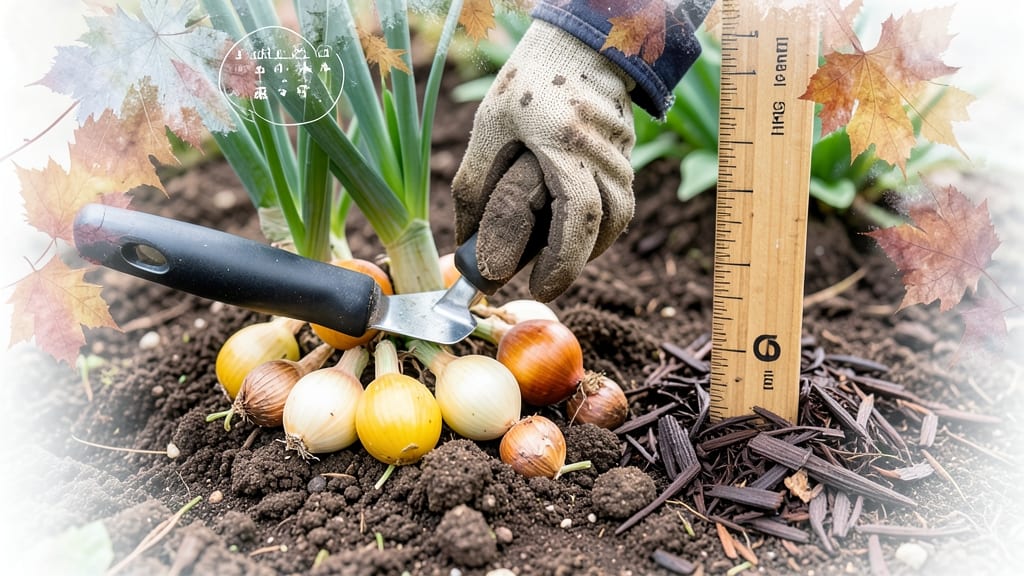
If you're dreaming of bright yellow daffodils 🌼 bursting through Oklahoma’s spring soil, timing your fall planting is the secret weapon. Planting too early or too late in Zone 6b-7a can leave your bulbs vulnerable to winter moisture or summer heat stress—both common pitfalls here.
Most gardeners in Oklahoma swear by planting between October and November, when soil temperatures dip below 60°F but before the ground freezes. This window gives roots time to establish without encouraging rot, a critical balance for our variable climate.
But here’s the twist: your exact location matters. Northern Oklahoma’s cooler microclimates may shift your ideal window slightly earlier, while southern regions can stretch it into early December. We’ll break down how to adjust based on your specific frost dates and soil conditions.
Once you’ve nailed the timing, I’ll share pro tips for soil prep, bulb depth, and post-planting care that’ll have your daffodils blooming like clockwork. Let’s make sure your spring garden steals the show!
Best planting months for daffodils in Oklahoma Zone 7B
Planting daffodils in Oklahoma’s Zone 7B hinges on timing the fall window perfectly—typically between mid-October and early November. This aligns with soil temperatures dropping below 60°F, signaling bulbs to root before winter dormancy.
Missing this window risks weak growth or no blooms next spring, as daffodils need 6-8 weeks of chilling to thrive.
While fall planting is ideal, you can also plant in early spring (February-March) for blooms the same year—but expect fewer flowers. Oklahoma’s variable frost dates (November 15 to April 15) add complexity, so local conditions matter.
For example, northern Oklahoma’s cooler microclimates may shift the ideal window to September-October, while southern regions can extend it to November.
Soil temperature is your best guide: aim for 50-60°F at 4-6 inches deep. Use a soil thermometer to check—planting too early (warm soil) can trigger premature sprouting, while waiting too long (cold soil) delays root establishment. In Oklahoma’s USDA Zone 7B, this usually translates to late October as the sweet spot.
Pro tip: Adjust for elevation. Higher elevations (like the Ozark Mountains) may need earlier planting (September), while lower areas (like Oklahoma City) can wait until November. Always plant 4-6 weeks before the first hard frost—this ensures bulbs establish roots before winter sets in.
Here’s how Oklahoma’s microclimates impact timing:
- Northern OK (Zone 6b): Plant September-October (earlier frost risk).
- Central OK (Zone 7a-7b): October-November is ideal.
- Southern OK (Zone 8a): November-December works for late bloomers.
Spring planting (February-March) is riskier in Oklahoma due to summer heat stress. Bulbs planted too late may not establish roots before 100°F+ temperatures arrive, leading to stunted growth.
If you opt for spring, choose heat-tolerant varieties like ‘Ice Follies’ or ‘Tête-à-Tête’ and plant shallowly (3-4 inches deep) to reduce stress.
For container gardening, timing shifts slightly: plant 4-6 weeks before your last frost date (even if that’s December in Zone 8a). Containers warm faster, so monitor soil temps closely. Use well-draining potting mix with perlite to prevent rot—Oklahoma’s summer humidity can turn containers into soggy traps.
After planting, mulch heavily (3-4 inches of straw or leaves) to insulate bulbs from freeze-thaw cycles. Oklahoma’s winters can swing from 30°F to 60°F in days, and mulch helps maintain steady soil temps. Remove mulch in early spring to prevent rot as temps rise.
Remember: Daffodils naturalize beautifully in Oklahoma’s climate, returning year after year if planted correctly. The key is consistent timing + soil prep. Start with a well-draining, slightly sandy soil (amend clay with compost) and plant bulbs 6 inches deep, 6 inches apart for optimal airflow and bloom density.
🌼
Best planting months for daffodils in Oklahoma Zone 7B
For Oklahoma gardeners in Zone 7B, the ideal window for planting daffodils is between mid-October and November, when soil temperatures drop below 60°F. This timing ensures bulbs establish roots before winter dormancy, setting the stage for vibrant spring blooms 🌼.
Planting too early—like in September—risks bulbs sprouting prematurely, while waiting until December may leave them vulnerable to winter moisture. Aim for 4-6 weeks before the first hard frost, typically around November 15 in most of Oklahoma.
Here’s how Oklahoma’s microclimates shift the ideal window:
| Region | Ideal Planting Window | Soil Temp Threshold | Key Consideration |
|---|---|---|---|
| Northern OK (Zone 6b) | Late September–early November | Below 55°F | Cooler soils; plant earlier |
| Central OK (Zone 7a) | Mid-October–mid-November | Below 60°F | Balanced timing for most gardeners |
| Southern OK (Zone 7b) | October–early December | Below 65°F | Warmer soils; extend window |
Spring planting is possible but risky in Oklahoma. If you miss fall, plant in early spring (February)—but expect smaller blooms. Bulbs need 6-8 weeks to root before active growth, so don’t wait until March!
Pro tip: Use a soil thermometer to confirm temps. Daffodils thrive when soil is 50–60°F—cooler than many gardeners assume. Planting at the right depth (6–8 inches) also prevents heaving during freeze-thaw cycles, a common issue here.
Once planted, mulch with 2–3 inches of straw to insulate bulbs and retain moisture. This simple step can mean the difference between bold blooms and flopping flowers 🌸.