
Plants
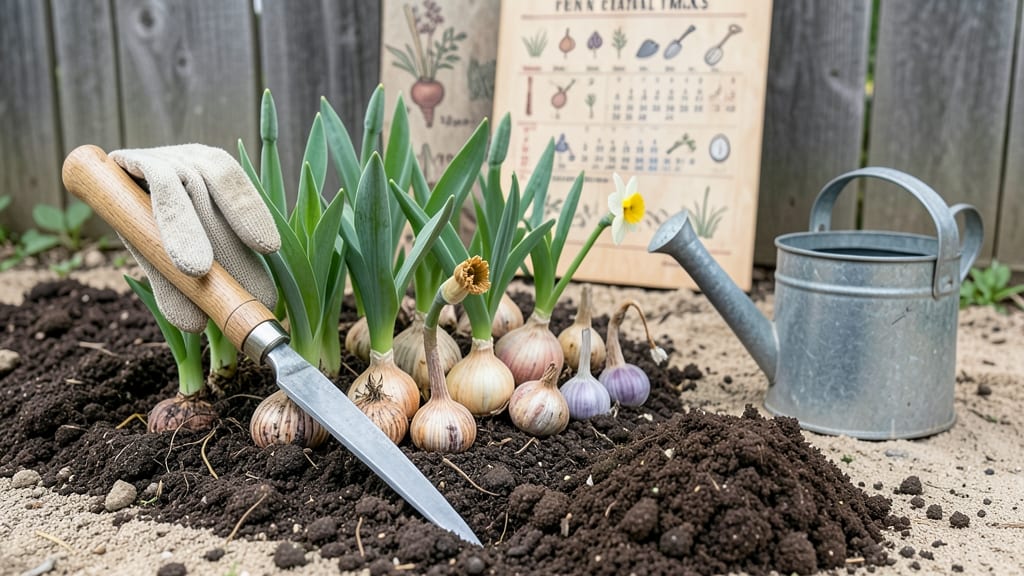
If you’ve ever planted Spring Flowering Bulbs 🌷 in Central Texas only to watch them wilt before spring, you’re not alone—timing is everything in our brutal summers and unpredictable winters.
The key to success isn’t just knowing when to plant bulbs in Central Texas; it’s choosing the right varieties and preparing your soil to handle 90°F+ heat without failing.
Whether you’re dreaming of vibrant tulips or hardy daffodils, getting the timing and conditions right means the difference between a stunning spring display and a wasted effort.
I’ll walk you through the exact months to plant, which heat-resistant bulbs thrive in zones 8a-8b, and the soil prep tricks that keep them blooming year after year. No more guesswork—just proven results for Central Texas gardens.
Let’s get your garden ready for a showstopping spring, starting with the perfect fall planting strategy.
Best heat-resistant bulbs for Central Texas planting (with exact months)
Central Texas’s 90°F+ summers and unpredictable winters make bulb planting a delicate balance. Most traditional spring bulbs like tulips and daffodils struggle here—but heat-tolerant varieties thrive with the right timing and care.
The key? Planting 6-8 weeks before the first frost (typically mid-September to November) to give roots time to establish before winter.
For spring blooms, focus on bulbs that handle Central Texas’s hot, dry summers and mild winters. These include rain lilies (Zephyranthes), spider lilies (Hymenocallis), and crinum lilies, which bloom in late spring to summer and survive our Zone 8a-9a climate.
For winter blooms, opt for crocuses and winter aconites, which tolerate brief cold snaps.
Here’s the golden rule: Fall planting (Sept-Oct) ensures bulbs bloom in spring, while November-December planting sets up winter flowers. Avoid planting in August or later—the heat stresses bulbs before they root.
| Bulb Type | Best Planting Month | Bloom Season | Heat Tolerance | Notes |
|---|---|---|---|---|
| Rain Lily (Zephyranthes) | September-October | Spring-Summer | Excellent | Thrives in full sun; blooms after rain. |
| Spider Lily (Hymenocallis) | October-November | Late Spring | Very High | Drought-tolerant; avoid waterlogging. |
| Crinum Lily | September-October | Summer-Fall | High | Loves hot, dry conditions; great for borders. |
| Crocus | November-December | Winter | Moderate | Plant in well-draining soil; mulch after planting. |
| Winter Aconite | October-November | Early Winter | Moderate | Tolerates light frost; bright yellow blooms. |
| Daffodil (Tardive Varieties) | September-October | Spring | Good | Choose heat-resistant types like ‘Ice Follies’. |
Pro tip: Test your soil’s drainage before planting. Central Texas soils often compact into clay-heavy mixes, which suffocate bulbs. Amend with compost or coarse sand to improve airflow. For container gardening, use a fast-draining mix with perlite or pumice.
Timing is everything in Central Texas. Plant rain lilies and spider lilies in September to beat the summer heat, while crocuses and winter aconites should go in November to avoid early frosts. Mulch with 2-3 inches of straw or pine bark after planting to retain moisture and regulate soil temps.
One common mistake? Planting too shallow. Bulbs need depth equal to 2-3x their height—deeper for sandy soils, slightly shallower for clay. For example, a 2-inch bulb should go 4-6 inches deep.
Use a bulb planter or trowel to dig holes and space bulbs 3-6 inches apart, depending on variety.
Water deeply after planting and again when shoots emerge in spring. Central Texas’s drought conditions can dry out bulbs quickly, so mulch heavily to lock in moisture. For container-grown bulbs, water every 5-7 days during dry spells.
Remember: Heat-resistant bulbs are your best bet in Central Texas. Skip traditional tulips unless you’re in a shaded, cooler microclimate. Instead, embrace native and adapted varieties like rain lilies and crinum lilies—they’ll reward you with bold blooms year after year, even in 100°F heat.
Central Texas soil preparation tricks to prevent bulb failure (step-by-step)
Central Texas soil can be a double-edged sword for bulbs—too much clay holds moisture and suffocates roots, while sandy soil drains too quickly, leaving bulbs high and dry. The key is amending your soil 4-6 weeks before planting to create the perfect balance for bulb survival.
Start by testing your soil’s pH and texture; most bulbs thrive in 6.0-7.0 pH with well-draining, slightly loamy soil.
For clay-heavy soils (common in Austin and San Antonio), mix in 2-3 inches of compost and 1 inch of coarse sand or perlite to improve drainage. If your soil is sandy (like in West Texas), add 50% peat moss or coconut coir to retain moisture.
Work these amendments into the top 12 inches of soil where bulbs will be planted—this ensures roots have access to nutrients and air.
⚠️ Warning: Avoid Over-Amending
Too much organic matter can smother bulbs and attract pests. Stick to 20-30% amendment ratio—never exceed 50%. For example, in a 12-inch-deep planting hole, only 3 inches should be amended soil, not the entire space.
Next, focus on drainage layers. In areas with poor drainage, create a gravel or crushed rock base (2-3 inches thick) at the bottom of planting holes. This prevents water from pooling around bulbs during Central Texas’ sporadic but heavy rains.
For raised beds, use a mix of 50% native soil, 30% compost, and 20% perlite to mimic ideal conditions.
Don’t skip mulching—this is non-negotiable in Central Texas. Apply 2-3 inches of organic mulch (straw, pine needles, or shredded bark) after planting. Mulch regulates soil temperature, reducing heat stress in summer and protecting bulbs from freeze-thaw cycles in winter.
Replenish mulch annually, especially after heavy rains wash it away.
Finally, water deeply before planting to settle the soil and remove air pockets. After planting, give bulbs a deep soak (1-2 inches of water) to encourage root growth.
In the first 2 weeks post-planting, keep soil consistently moist but never soggy—this critical period determines whether bulbs establish roots before summer heat sets in.
With these soil prep tricks, your bulbs will have the perfect foundation to survive Central Texas’ extremes and reward you with vibrant blooms next season. The effort now means zero bulb failures later.