
Plants
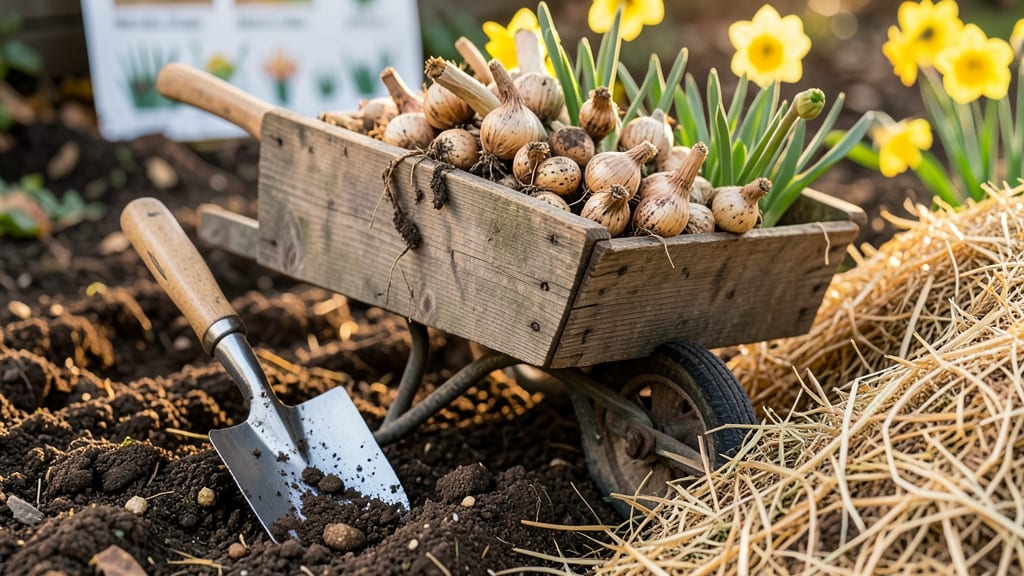
Planting daffodil bulbs in Southern California feels like timing a golden treasure—get it right, and your garden bursts into cheerful blooms by spring. But with coastal chill and inland heat creating wildly different microclimates, figuring out the perfect window can feel like a gamble.
The truth? Your location dictates everything from soil prep to bulb depth, and missing the mark means either soggy rot or missed blooms.
Here’s the secret: coastal areas like San Diego thrive with October–November plantings when soil cools, while inland spots near Palm Springs need to wait until December to avoid summer heat stress.
I’ll break down the exact steps—from soil temperature checks to watering hacks—to ensure your 🌼 daffodils flourish, no matter where you live in SoCal’s diverse zones.
Most gardeners assume "fall planting" means a one-size-fits-all approach, but Southern California’s 9b–11 zones demand precision. Whether you’re in frost-free coastal LA or high-desert Riverside, I’ll show you how to adjust timing, depth, and care for longer-lasting blooms—even in unpredictable weather.
Ready to turn your yard into a springtime showstopper?
Let’s dive into the exact timing, soil tricks, and bulb varieties that shine brightest in your neck of the woods. Spoiler: It’s easier than you think, and the payoff? A garden that wows neighbors for years to come.
Ideal planting months for daffodils in Southern California’s coastal vs inland zones
Southern California’s microclimates create a unique challenge for daffodil growers. While coastal areas like San Diego and Santa Barbara enjoy milder winters, inland regions such as Riverside and Palm Springs face earlier frosts and warmer soils.
Understanding these differences is key to timing your planting for peak blooms in spring. Let’s break it down by zone to ensure your daffodils thrive.
For coastal Southern California, where winters are mild and frost is rare, the ideal planting window stretches from mid-October to December. The cooler ocean breezes and slower soil warming create a safer environment for bulbs to establish roots before spring growth begins.
In contrast, inland areas with faster soil warming should plant bulbs between late October and early November to avoid premature sprouting.
Soil temperature is your best guide. Aim for 60–65°F soil temps at planting depth (4–6 inches). Coastal soils often hit this mark in late October, while inland soils may need to wait until November.
Use a soil thermometer to check—this small tool prevents costly mistakes by ensuring bulbs aren’t planted too early in warm soils.
Rainfall patterns also play a role. Coastal regions receive more winter rain, which helps hydrate newly planted bulbs. Inland areas rely on supplemental watering to maintain moisture during the critical root-establishment phase. Plan to water deeply once a week after planting until the ground hardens in late fall.
If you’re in a transition zone (e.g., Los Angeles or Orange County), err on the side of planting earlier in October. These areas can experience both coastal and inland influences, making timing a bit more flexible.
Always monitor local weather forecasts for unexpected early rains or heatwaves, which can disrupt planting schedules.
Here’s a quick reference for Southern California’s daffodil planting zones and their ideal timing:
| Zone | Ideal Planting Window | Soil Temp Threshold | Key Considerations |
|---|---|---|---|
| Coastal (e.g., San Diego, Santa Barbara) | Mid-October – December | 60–65°F | Mild winters, reliable rain |
| Inland (e.g., Riverside, Palm Springs) | Late October – Early November | 60–65°F | Warmer soils, less rain |
| Transition (e.g., Los Angeles, Orange County) | October – Mid-November | 60–65°F | Flexible timing, monitor weather |
Adjust your planting schedule if you experience an unusually warm fall. For example, if soil temps rise above 70°F in October, delay planting until November to prevent bulbs from sprouting too early.
Conversely, if a cold snap is forecasted, plant bulbs by mid-October to give them time to root before winter sets in.
Pro tip: If you miss the ideal window, you can still plant daffodils in January, though blooms may be slightly delayed. Just be prepared to water more frequently to compensate for warmer soil temperatures. This flexibility works well for inland gardeners who prefer to plant later in the season.
For Southern California’s best daffodil varieties, opt for dwarf or semi-dwarf types like ‘Tête-à-Tête’ or ‘Ice Follies’—these thrive in our mild winters and heat-tolerant soils. Larger varieties may struggle with inland heat, so choose wisely based on your microclimate.
With the right timing, your garden will burst with vibrant spring color year after year.
🌼
Ideal planting months for daffodils in Southern California’s coastal vs inland zones
Southern California’s microclimates create a planting puzzle for daffodils. Coastal areas like San Diego and Santa Barbara enjoy milder winters, while inland spots near Palm Springs or Riverside face hotter soils. The key? Plant when soil temps hit 60–65°F—this triggers root growth without risking rot from lingering warmth.
For coastal zones (USDA 10a–11), aim for mid-October to November. The ocean breeze keeps soils cooler longer, giving bulbs time to establish before winter rains arrive. Inland areas (USDA 9b–10a) should wait until late November to December to avoid summer-like heat stress during dormancy.
Here’s the breakdown you need to nail timing:
| Zone | Ideal Planting Window | Soil Temp Goal | Rainfall Cue | Bulb Depth |
|---|---|---|---|---|
| Coastal (LA, San Diego) | Mid-October–November | 60–65°F | After first rains | 4–6 inches |
| Inland (Riverside, Palm Springs) | Late November–December | 60–65°F | Soil moisture >50% | 5–7 inches |
| High Desert (Joshua Tree) | December–January | 55–60°F | Snowmelt or irrigation | 6–8 inches |
Pro tip: Use a soil thermometer to confirm temps. If your garden sits in USDA 11 (like coastal Orange County), you can even plant as late as January—just ensure bulbs get consistent moisture until roots establish.
For early blooms, choose dwarf varieties like ‘Tête-à-Tête’ or ‘Mini Star’—they thrive in coastal zones and bloom 2–3 weeks earlier than standard types. Inland gardeners should opt for heat-tolerant hybrids like ‘Ice Follies’ or ‘Salome’ to beat summer’s early arrival.
Timing isn’t just about months—it’s about soil conditions. Wait until rainfall patterns signal winter’s arrival or use drip irrigation to mimic natural moisture. The goal? Bulbs should sprout 6–8 weeks before your area’s last frost date (though SoCal’s frost-free zones make this less critical).
Missed the window? Don’t panic. January plantings still work in most of SoCal, but expect smaller blooms the first year. The secret to success? Mulch heavily with 3–4 inches of straw to insulate bulbs from temperature swings.
With the right timing, your daffodils will reward you with bold, early spring color—long before other flowers even think about blooming. 🌼