
Plants
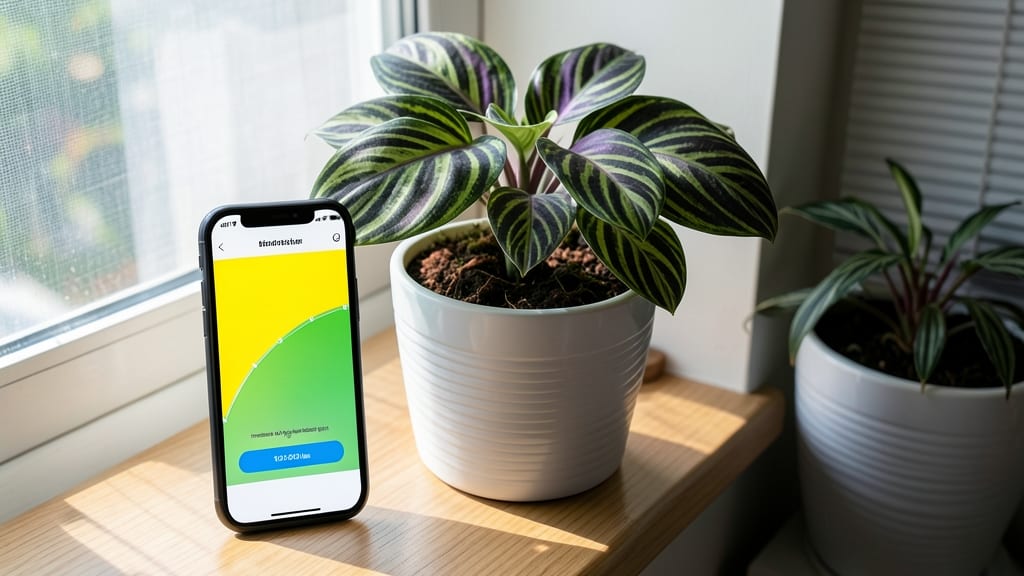
If you're wondering how much light does a zebra plant need, the answer lies in striking the perfect balance—too little, and it stretches awkwardly; too much, and those striking stripes fade or crisp up like overcooked toast.
The ideal amount of light for a Zebra Plant isn't just about quantity—it's about quality, and getting this right is the key to keeping those bold patterns vibrant and your plant thriving.
Most people assume bright light means direct sunlight, but for Zebra Plants, that's actually a recipe for crispy, sunburned leaves. What they truly crave is bright indirect light, which mimics their natural habitat under the dappled forest canopy.
This means finding that sweet spot where your plant gets plenty of light without the intense rays that can damage its delicate foliage.
In this guide, I'll break down exactly how to identify the perfect light conditions for your Zebra Plant, whether you're dealing with a north-facing window or artificial lighting.
You'll learn how to spot the signs of light stress, adjust your plant's position as seasons change, and even troubleshoot common mistakes that might be holding back your plant's growth.
By the end, you'll know exactly how to create the ideal light environment so your Zebra Plant can show off its stunning patterns year-round—no guesswork required. Let's get started!

Zebra plant light requirements: ideal bright indirect sunlight explained
The zebra plant (Aphelandra squarrosa) thrives in bright indirect sunlight, making it perfect for east or north-facing windows. This tropical beauty needs 4-6 hours of filtered light daily to maintain its iconic striped foliage patterns.
Without enough light, those stunning zebra stripes fade, and the plant becomes leggy and weak.
Direct midday sun can scorch its leaves, causing brown crispy edges—a common mistake many plant parents make. Instead, think of dappled sunlight like what you'd find under a tree canopy. This mimics its natural habitat in South American rainforests where sunlight filters through dense foliage.
In summer months, your zebra plant may need protection from intense afternoon rays. I recommend placing it 1-3 feet back from windows or using sheer curtains to diffuse harsh light.
During winter, when natural light dims, you might notice slower growth—this is normal, but we'll cover solutions for low-light situations later.
🌿
| Light Condition | Ideal Hours | Window Placement | Leaf Response |
|---|---|---|---|
| Bright Indirect | 4-6 hours | East/North window | Vibrant stripes, compact growth |
| Low Light | <2 hours | Northwest corner | Pale leaves, leggy stems |
| Direct Sun | >6 hours | South/West window | Brown leaf tips, sunburn |
| Artificial Light | 12-14 hours | Grow light 6-12 inches away | Healthy growth, maintained stripes |
For seasonal adjustments, remember that winter sunlight is 30% weaker than summer. If you notice your zebra plant stretching toward the light in winter, it's time to supplement with a grow light or move it to a sunnier spot.
I've found that rotating the plant quarter-turns weekly helps it grow evenly, preventing one side from leaning toward the light source.
One pro tip I use is the "shadow test": Place your hand near the plant—if you can see clear shadows but no harsh edges, that's perfect bright indirect light.
If the shadows are fuzzy, the light is too diffuse. If they're sharp with dark edges, move the plant back immediately to prevent leaf burn.
In urban apartments with limited natural light, I've successfully kept zebra plants thriving using full-spectrum LED grow lights for 12 hours daily.
We'll dive deeper into artificial lighting solutions in the next section, but for now, focus on finding that sweet spot of filtered sunlight—your zebra plant's stripes will thank you!
🪴
Zebra plant light requirements: ideal bright indirect sunlight explained
The zebra plant (Aphelandra squarrosa) thrives in bright indirect sunlight, mimicking its natural understory habitat. Direct sun causes leaf burn, while too little light leads to weak, stretched growth. Aim for 4-6 hours of filtered light daily, adjusting based on your home's natural light conditions.
East-facing windows provide the best balance—gentle morning sun without harsh afternoon rays. North-facing windows work well too, offering consistent, soft light. Avoid south or west windows unless you use sheer curtains to diffuse the intensity.
Seasonal changes affect light exposure. In summer, your zebra plant may need slight shade protection, especially if leaves start yellowing. During winter, supplement natural light with artificial sources if growth slows or leaves pale.
| Light Condition | Ideal Placement | Effects of Too Much/Too Little |
|---|---|---|
| Bright Indirect | East/west window, 1-3 ft away | Vibrant stripes, compact growth |
| Direct Sun | South/west window without shade | Brown crispy edges, faded stripes |
| Low Light | North window, far from light | Leggy stems, pale leaves |
Rotate your zebra plant quarter-turn weekly to ensure even light exposure. This prevents uneven growth and keeps foliage symmetrical. If you notice leaves leaning toward the light source, it's a clear sign your plant needs repositioning.
For low-light homes, place your zebra plant near a north-facing window or use a grow light 12-18 inches above the plant for 6-8 hours daily. Avoid fluorescent bulbs—opt for full-spectrum LEDs designed for houseplants.
Remember: Consistency is key. Sudden light changes can stress your zebra plant, causing leaf drop. Gradually adjust exposure over 1-2 weeks when moving it to a new spot. With the right light, your zebra plant will reward you with bold, striped leaves year-round.