
How To
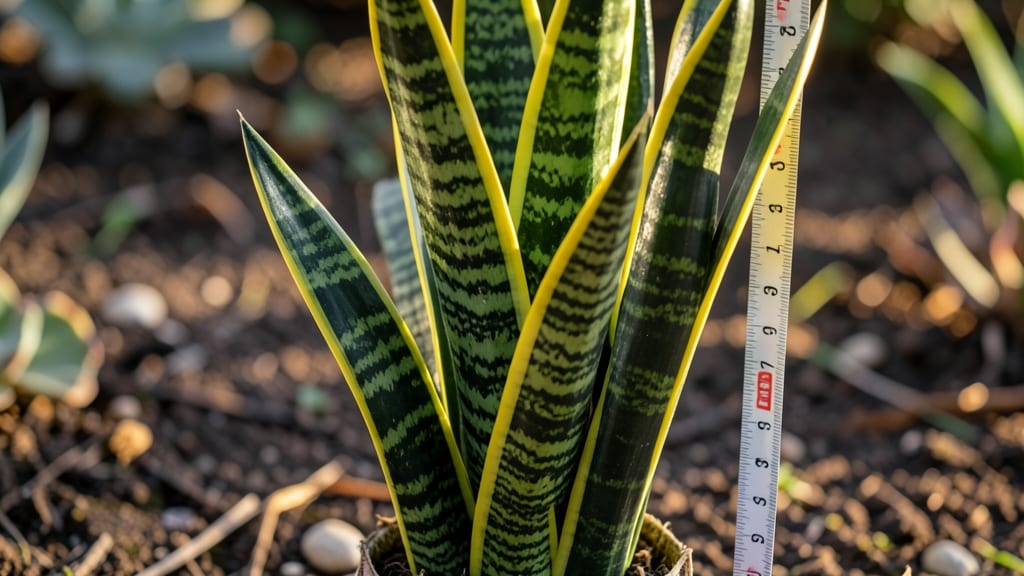
Ever wondered how tall a snake plant can grow 🌱 and whether it’ll soon dominate your living room—or stay a sleek, manageable centerpiece? The truth is, this resilient plant’s height can vary dramatically depending on its variety, care routine, and even the container you choose.
If you’ve ever assumed all snake plants reach the same towering heights, think again. Some varieties stretch toward the ceiling while others remain compact and easy to handle.
I’ll break down the height ranges for popular types and share the secrets to controlling its growth—whether you want it soaring or staying neatly within reach.
From 3-foot giants to 1-foot dwarfs, your snake plant’s final height depends on more than just time. Light exposure, pot size, and even pruning play a bigger role than you might expect. Let’s explore how to get the perfect size for your space.
Whether you’re dealing with a new plant or a mature one that’s outgrown its home, you’ll learn exactly how tall your snake plant can grow—and how to keep it at your ideal height. Ready to stop guessing and start growing with confidence?

Snake plant growth limits by variety: tallest indoor heights explained
Snake plants (Sansevieria spp.) are famous for their resilience, but their height potential varies dramatically by variety. Some stay compact enough for countertops, while others can reach towering heights of 4 feet or more. Understanding these differences helps you choose the right variety for your space and growth goals.
Most snake plants grow vertically through rhizome elongation, where the thick roots push upward, creating new leaves. This growth pattern means height increases steadily over years, not months. Patience is key—your plant’s mature height depends entirely on its genetics and growing conditions.
Here’s how popular varieties compare in terms of indoor growth potential. Use this as a guide to predict how tall your snake plant may grow based on its type:
| Variety | Mature Height (Indoor) | Growth Rate | Space Needs |
|---|---|---|---|
| Sansevieria trifasciata 'Laurentii' | 3–4 ft | Moderate (1–2 ft/year) | Floor-standing pot or corner |
| Sansevieria cylindrica | 1–2 ft | Slow (6–12 in/year) | Countertop or shelf |
| Sansevieria 'Moonshine' | 2–3 ft | Moderate (1 ft/year) | Floor pot or tall shelf |
| Sansevieria 'Futura Superba' | 4+ ft | Fast (2 ft/year) | Large room or ceiling garden |
| Sansevieria 'Hahnii' (Bird's Nest) | 1–1.5 ft | Very slow (3–6 in/year) | Small pot or hanging basket |
The Sansevieria trifasciata 'Laurentii', a classic variety, often becomes a statement plant in homes, reaching heights that rival small trees. If ceiling clearance is limited, opt for dwarf varieties like 'Hahnii' or 'Cylindrica,' which stay under 2 feet.
Remember, these heights assume optimal care—poor lighting or cramped pots will stunt growth.
Even tall varieties like 'Futura Superba' grow at a predictable rate. With proper care, you can estimate their height by tracking annual growth. For example, a 1-foot plant in Year 1 will likely reach 3 feet by Year 3 if given enough space and light.
Tracking growth helps you plan for repotting or pruning before overgrowth becomes an issue.
If you’re concerned about your snake plant outgrowing its space, focus on the pot size and light conditions you provide. Root-bound plants grow faster vertically, while ample light encourages bushier, more compact growth.
We’ll cover these factors in detail in the next section to help you manage your plant’s height proactively.
For now, use the table above as a quick reference. If you’re unsure which variety you have, check the leaf shape and pattern: 'Laurentii' has yellow edges, while 'Moonshine' features a silvery-blue hue. Knowing your variety helps you set realistic height expectations and care goals.
🌱
Factors that control snake plant height: light, pot size, and pruning
Your snake plant’s vertical growth isn’t just about genetics—it’s heavily influenced by three key factors: light exposure, container size, and pruning habits. Understanding these will help you steer your plant toward your desired height, whether that’s a compact tabletop statement or a floor-standing giant.
First, let’s talk light conditions. Snake plants are famously adaptable, but their growth patterns shift dramatically based on brightness. In low-light conditions, they grow slower and stay shorter (often 2-3 feet tall), while bright indirect light can push them toward their maximum height potential of 3-4 feet.
Direct sunlight, however, can scorch their leaves, so balance is key.
Here’s the catch: more light = taller growth, but also longer leaves. If you want a bushier, stockier plant, slightly limit light exposure. Place your snake plant 3-5 feet from an east-facing window for ideal growth without excessive stretching.
Now, let’s address pot size. Snake plants are notorious for becoming root-bound quickly, which directly impacts their height. A smaller pot (like a 6-inch container) will restrict root spread, encouraging the plant to grow upward instead of outward.
Conversely, a large, shallow pot (12+ inches) gives roots room to spread, often resulting in a wider, shorter plant with more leaves.
Warning: Overpotting Can Backfire
Using a pot that’s too large (more than 3x wider than the plant’s base) can lead to waterlogged soil and root rot. Snake plants thrive in slightly snug pots—aim for a container that’s only 1-2 inches wider than the plant’s current root ball.
Pro Tip: If you want a taller plant, choose a narrow, deep pot. For a bushier look, opt for a wide, shallow pot.
Finally, let’s discuss pruning, the secret weapon for controlling height. Snake plants grow from the base, so if you want to encourage bushiness, simply trim the tallest leaves at the base. This triggers the plant to produce new shoots from the soil level, creating a fuller, shorter appearance.
For height control, focus on pruning the top 1/3 of the tallest leaves every 6-12 months. You can propagate these cuttings to grow new plants! Just place the trimmed section in water or soil, and watch new growth sprout in 4-6 weeks.
This method keeps your snake plant at a manageable height while expanding your plant collection.
Remember, snake plants grow slowly—about 6-12 inches per year in ideal conditions. With the right balance of light, pot size, and pruning, you can guide your plant’s growth to fit your space perfectly. 🌿