
How To
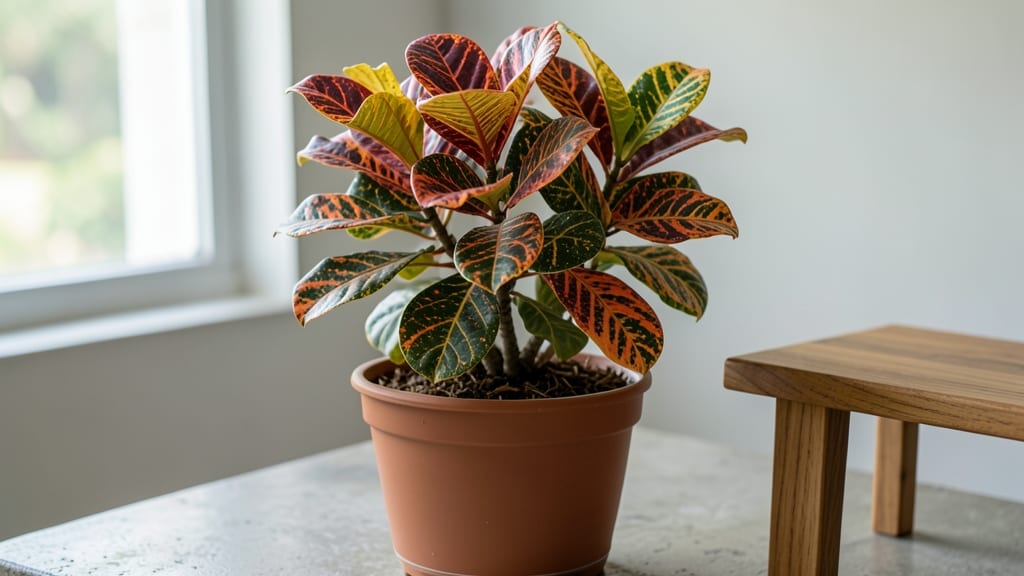
If you're wondering how tall does a croton plant grow, the answer depends entirely on the variety you choose—because these vibrant 🌿 shrubs can range from compact tabletop plants to towering indoor trees that steal the show in any room.
Some popular crotons, like the petite 'Petra,' stay under 2 feet tall, making them perfect for shelves or desks, while varieties like 'Mammoth' can stretch up to 6 feet or more with the right care. That’s a dramatic difference in space planning!
Whether you're growing your croton indoors or outdoors, understanding these height variations helps you pick the right spot and care routine. I’ll break down how sunlight, pruning, and even your climate zone can influence how tall (or bushy) your plant becomes.
Ready to find the perfect croton for your space? Let’s dive into the details so you can choose—and nurture—a plant that fits your home like a glove.

Croton plant height by variety: compact to towering growth guide
Croton plants (Codiaeum variegatum) are stunning tropical shrubs prized for their vibrant foliage, but their mature height varies dramatically by variety.
Some stay under 3 feet, perfect for tables or shelves, while others reach 6 feet or taller, becoming small trees that dominate a room or garden corner. Understanding these differences helps you choose the right variety for your space and care needs.
Whether you're a beginner gardener or a seasoned plant parent, selecting the right croton size ensures your indoor or outdoor layout works harmoniously. Dwarf varieties thrive in small apartments, while standard types need dedicated garden beds or large containers.
Let’s explore the height ranges of popular croton varieties so you can plan your garden or home decor with confidence.
🌿
Dwarf varieties like Petra and Gold Dust are ideal for small spaces, while taller types such as Mammoth or Black Prince make bold statements in larger areas. If you’re growing crotons outdoors in USDA Zone 10 or warmer, their heights can increase by 30–50% due to ideal growing conditions.
For indoor crotons, light levels play a critical role—low light stunts growth, while bright, indirect light encourages taller, fuller plants.
When selecting a croton, consider not just its height but also its growth rate. Faster-growing varieties like Mammoth may need annual pruning to control their size, while slower growers like Petra maintain their compact form with minimal intervention.
Always check the variety’s care requirements to ensure it thrives in your environment.
For outdoor gardeners, taller crotons can be used as privacy screens or hedge plants in tropical climates. In colder regions, these plants are best grown as container specimens and brought indoors before frost.
Their vibrant foliage adds year-round color, making them a favorite for both indoor decor and outdoor landscaping.
If you’re unsure which variety to choose, start with a medium-height croton like Sunburst or Gold Dust. These offer a balance of manageable size and striking foliage, making them versatile for most gardeners.
Always research the specific light and water needs of your chosen variety to ensure it reaches its full potential height.
🌳
Pro tip: Measure your space before purchasing a croton. A 6-foot-tall Mammoth won’t fit under a 7-foot ceiling without careful pruning, while a 2-foot Petra may feel lost on a large patio. Plan ahead to avoid outgrowing your plant’s home!
How to control croton plant height: pruning and care tips
Croton plants are known for their vibrant foliage, but their height can vary dramatically based on how you care for them.
If you're growing a tall croton variety like the Mammoth and want to keep it manageable, or if you're nurturing a compact variety like Petra and want it to stay small, the right techniques make all the difference.
Start with pruning—this isn’t just about trimming back overgrowth, but shaping your plant for the perfect height and bushiness.
For taller varieties, prune in early spring to encourage new growth and maintain a balanced shape. Use clean, sharp pruning shears to cut just above a leaf node, where new shoots will emerge.
This method helps control height while promoting a fuller, more lush appearance. If your croton is becoming too leggy, prune the top growth to redirect energy toward lateral branches.
🌿 Step-by-Step Pruning Guide for Croton Plants
- Step 1: Wait until spring or early summer to prune. Avoid pruning in fall or winter, as this can stress the plant.
- Step 2: Identify the areas you want to trim. Focus on removing overly long stems or unwanted growth.
- Step 3: Use sterilized pruning shears to make clean cuts just above a leaf node or bud.
- Step 4: Remove any yellow or damaged leaves immediately after pruning to encourage healthy regrowth.
- Step 5: Fertilize lightly after pruning to support new growth. Use a balanced fertilizer like 10-10-10.
Light exposure plays a critical role in controlling your croton’s height. These plants thrive in bright, indirect light, but too little light can lead to stretched, leggy growth. Place your croton near a south-facing window where it can receive at least 6 hours of sunlight daily.
If you notice your plant reaching for the light, rotate it occasionally to ensure even growth and prevent it from becoming top-heavy.
If you’re growing your croton in a container, the size of the pot can also influence its height. Smaller pots restrict root growth, which can limit vertical expansion and encourage bushier growth. Choose a pot that’s just 1-2 inches larger than the plant’s current root ball.
For taller varieties, ensure the pot has good drainage to prevent root rot, which can weaken the plant and affect its height.
Finally, don’t overlook the importance of watering habits. Overwatering can cause stunted growth, while underwatering can lead to stress and slower development. Water your croton when the top inch of soil feels dry, and always use well-draining soil to prevent waterlogging.
Consistency is key—whether you’re aiming for a compact croton or a tall, tree-like specimen, proper watering keeps your plant healthy and on track for the size you desire.
With these care tips, you’ll have full control over your croton’s height, ensuring it stays the perfect size for your space—whether that’s a bushy tabletop centerpiece or a stately indoor tree. Experiment with pruning and light adjustments to find what works best for your variety! 🪴