
Companion Plants
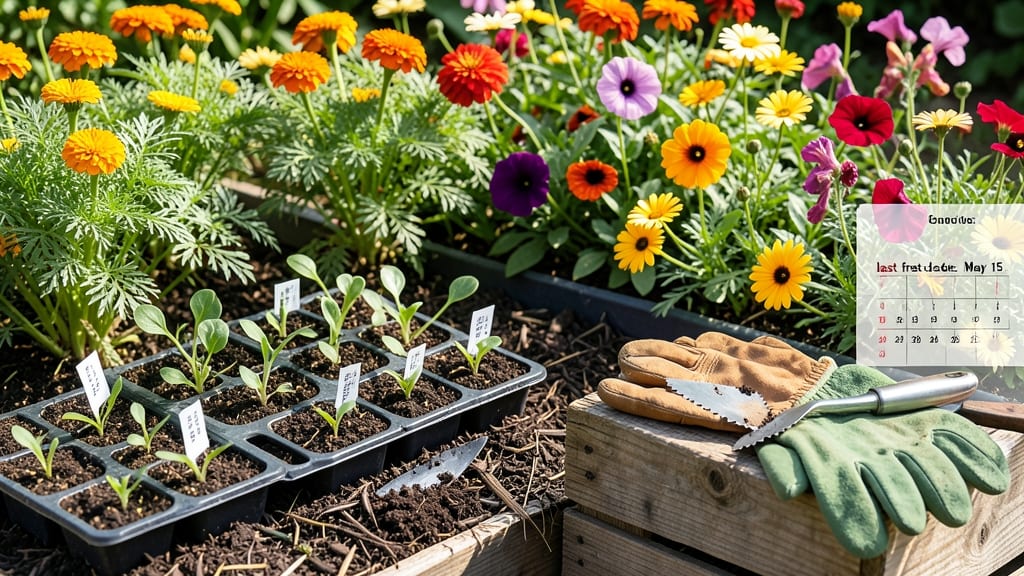
If you’ve ever wondered when can I plant annuals in Zone 6, you know timing is everything—especially when a surprise frost can turn vibrant blooms into sad, wilted memories overnight.
Planting too early risks frost damage, while waiting too long can leave your garden bare when neighbors’ flowers are in full swing.
The secret isn’t guessing—it’s knowing your last frost date and adjusting for your microclimate. Whether you’re starting seeds indoors 6-8 weeks before spring or rushing to plant after late April, the right schedule means vibrant blooms from June to October.
Let’s break down exactly when to plant for maximum success.
Cool-season annuals like pansies can handle early spring, while heat lovers like zinnias need warmer soil. I’ll show you how to stretch your growing season with row covers and other tricks, so you’re not left scrambling when the calendar says “too late.”
Ready to transform your garden from “meh” to “wow”? Grab your calendar—we’re diving into the exact weeks, varieties, and pro tips that’ll have your annuals thriving all season long.
Zone 6 last frost dates: exact weeks before planting annuals for success
In Zone 6, timing your annual plantings around the last frost date is critical—most gardeners aim for April 15 to May 15 as a general guideline. However, this window shifts based on your specific location within Zone 6, which spans from western Colorado to the Mid-Atlantic.
For example, Denver typically sees its last frost around April 20, while Philadelphia averages May 5. Always check your local USDA Plant Hardiness Map for precise data.
To calculate your planting window, start by tracking your average last frost date over the past 3–5 years. Then, add 2–4 weeks to this date for cool-season annuals (like pansies or lettuce) and wait until soil temperatures reach 60°F (15°C) for warm-season varieties (such as marigolds or tomatoes).
This ensures roots establish before heat stress sets in.
For early spring plantings, you can begin sowing cold-hardy annuals like snapdragons or calendula 4–6 weeks before your last frost date. These resilient plants tolerate brief chills, giving you a head start.
Meanwhile, heat-loving annuals should wait until after May 15 in most of Zone 6, when nighttime temperatures consistently stay above 50°F (10°C).
🌱
Zone 6 Planting Timeline for Annuals
| Planting Stage | Action | Notes |
|---|---|---|
| March | Start cool-season annuals indoors | Pansies, sweet peas, lettuce |
| April 1–15 | Plant hardy annuals outdoors | Calendula, snapdragons, stock |
| April 15–May 15 | Wait for last frost | Monitor local forecasts |
| May 15–June 1 | Plant warm-season annuals | Marigolds, zinnias, petunias |
| June–July | Succession plant heat lovers | Tomatoes, basil, sunflowers |
Regional variations in Zone 6 can shift your planting window by 2–4 weeks. For instance, mountainous areas (like Colorado or Utah) often experience later last frosts due to higher elevations, while coastal regions (like Maryland or Virginia) may see earlier springs.
Use local weather stations or gardening apps like PlantNet to track real-time frost predictions and adjust your schedule accordingly.
Pro tip: If you’re unsure about your exact last frost date, opt for transplanting seedlings instead of direct sowing. Seedlings are more resilient and can handle a brief cold snap, giving you flexibility.
For example, tomato seedlings can tolerate 32°F (0°C) for a few hours without damage, while direct-sown seeds may fail if exposed to frost.
Don’t forget to account for microclimates in your garden. A south-facing wall or paved area can warm up faster than open soil, allowing you to plant 2–3 weeks earlier in these spots.
Conversely, low-lying areas or shady spots may stay colder longer, so delay planting there until you’re certain frost risk has passed.
For fall plantings, aim to sow cool-season annuals like kale or nasturtiums 8–10 weeks before your first frost (typically October 15 in Zone 6). These plants thrive in cooler weather and can often survive light frosts, extending your gardening season well into autumn.
🌿
Best annuals to plant by month in Zone 6: heat-tolerant vs. cool-season flowers
Zone 6’s variable spring temperatures mean some annuals thrive early, while others wait for warmth. Cool-season pansies and snapdragons handle March-April chill, but marigolds and zinnias need soil temps above 60°F—usually May or June. Let’s break down the best month-by-month planting schedule for continuous color.
Start with cool-season annuals in early spring (March–April) when nights are still chilly. These hardy bloomers like pansies, sweet peas, and calibrachoa tolerate light frosts and even snow in some Zone 6 microclimates. Plant them 4–6 weeks before your last frost date for early blooms.
🌱 Cool-Season Annuals (March–April)
- Pansies – Thrives in 40–75°F, blooms until frost
- Sweet peas – Needs trellis support, loves cool roots
- Calibrachoa – Petunia cousin with tiny flowers, heat-sensitive
- Stock (Matthiola) – Fragrant, tolerates light frost
- Lobelia – Shade-tolerant, great for containers
- Marigolds – Deter pests, thrive in 70–90°F
- Zinnias – Long-lasting blooms, attract butterflies
- Sunflowers – Needs full sun, 60+ days to bloom
- Cosmos – Drought-tolerant, self-seeds easily
- Portulaca (Moss Rose) – Succulent-like, loves hot, dry conditions
For summer-long color, don’t overlook heat-tolerant annuals like celosia and gaillardia, which handle Zone 6’s July–August heat better than most. Plant these after Memorial Day (late May) when soil is consistently warm. If you’re container gardening, move pots to shadier spots during peak afternoon sun.
Extend your season with fall-planted annuals like kale, ornamental kale, and asters. These cool-season survivors handle September–October chill and even light frosts. Start seeds indoors in July or plant transplants in August for autumn blooms.
Remember: Soil temperature matters more than air temperature. Use a soil thermometer to confirm 60°F+ before planting heat-lovers. In Zone 6’s cooler pockets, wait until late May—even if your neighbor plants earlier. Your microclimate is your garden’s secret weapon! 🌻