
Companion Plants
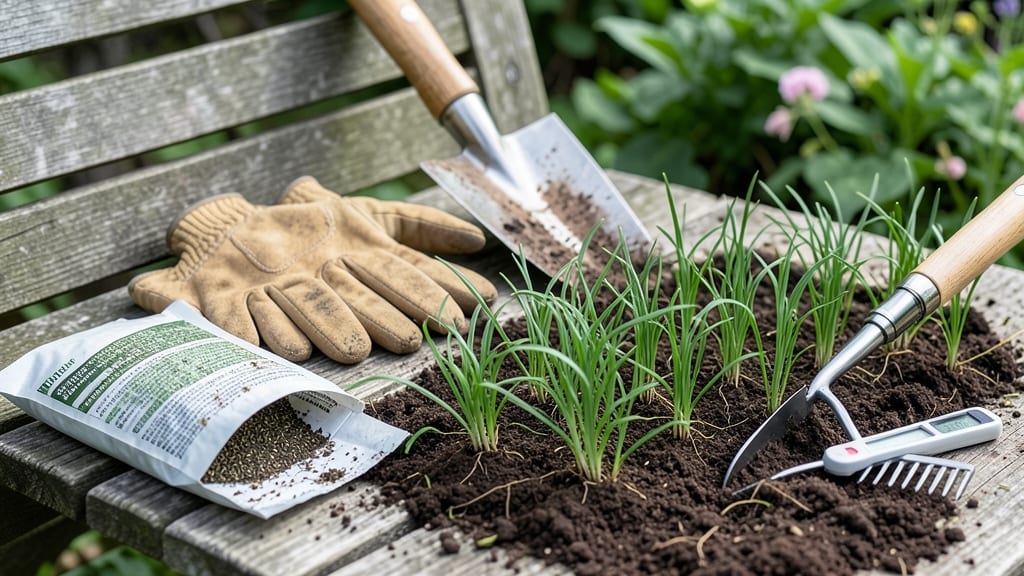
Timing your spring grass planting right can mean the difference between a lush, green lawn and months of bare soil—soil temperatures and frost dates are the secret ingredients most gardeners overlook.
If you're in Zone 6a (or similar climates), waiting until after the last frost—around mid-April—gives your 🌱 Grass (Turfgrass) the best shot at thriving. Planting too early risks frost damage, while waiting too long can leave weeds in control.
The key? Soil that's warmed to 50-65°F—that's when seeds wake up and roots take hold.
But what if you're in a warmer region? Overseeding in early spring or full replanting in late summer might be smarter. I'll walk you through the exact steps to test your soil, pick the right seed, and avoid common mistakes that derail even the best-laid plans.
Ready to transform your lawn? Let's dive into the perfect planting window for your climate—and how to keep your grass growing strong all season.
Spring grass planting timeline by USDA Hardiness zones: soil temp & frost-free dates
Planting grass in spring is all about timing—not just the calendar date, but the soil temperature and frost-free window. Cold soil and late frosts can kill new seeds before they sprout, while waiting too long means summer heat stress.
The ideal window is 4-6 weeks before your last frost date, when soil reaches 50-65°F.
Your USDA Hardiness Zone determines the exact timing. Northern zones (3-5) may plant as early as late April, while Southern zones (8-10) can start in February. The key is avoiding soil temps below 50°F, which slows germination.
Use your zone as a starting point, then adjust based on local microclimates—like shaded spots that stay cooler longer.
Here’s a quick reference for soil temperature thresholds by zone. Most grass types (like Kentucky Bluegrass or Tall Fescue) need 50-65°F soil to germinate properly. Warm-season grasses (e.g., Bermuda) wait until 65-75°F, typically late spring.
| Zone | Ideal Planting Window | Soil Temp Threshold | Frost-Free Rule |
|---|---|---|---|
| 3-5 | Late April–Early May | 50–60°F | 4–6 weeks before last frost |
| 6-7 | Mid-April–Mid-May | 50–65°F | 3–5 weeks before last frost |
| 8-10 | February–March | 65–75°F (warm-season) | Avoid summer heat; plant early |
*Adjust for microclimates (e.g., shaded areas may need 1–2 weeks later).
For cool-season grasses (like Fescue or Ryegrass), aim to plant 6 weeks before your first hard frost in fall for a second chance. This gives roots time to establish before winter. In Zone 6a (like much of the Midwest), that’s typically mid-September.
If you’re in a warmer climate (Zones 8-10), focus on soil moisture over frost dates. Plant in late winter to avoid summer drought stress. Bermuda and Zoysia grasses thrive in heat but need consistent watering during establishment.
Pro tip: Check your local cooperative extension service for hyper-local frost data. Their records often include 30-year averages that account for recent climate shifts. For example, Zone 5 areas might now have 2 weeks earlier frost-free dates than old charts suggest.
Once you’ve nailed the timing, prep your soil 2–3 weeks ahead. Loosen the top 4 inches of soil, remove weeds, and level the area. A soil test for pH (ideal: 6.0–7.0) can save you from patchy growth. Add compost or a starter fertilizer with phosphorus to encourage root development.
After planting, water lightly daily (about ¼ inch) to keep soil moist but not soggy. Once sprouts appear (7–21 days), increase to 1 inch per week. Avoid walking on new grass until it’s 3–4 inches tall—this prevents soil compaction and root damage.
Remember: Spring planting success hinges on three factors: soil temperature, frost-free window, and consistent moisture. Get these right, and you’ll see uniform germination in 2–4 weeks. Miss them, and you’ll spend summer patching bare spots.
Spring grass planting timeline by USDA Hardiness zones: soil temp & frost-free dates
Planting grass in spring isn't just about avoiding frost—it's about soil temperatures reaching the 50-65°F sweet spot where seeds germinate reliably. In Zone 6a, that typically means mid-April to early May, but your exact window depends on when your last frost occurs and how quickly your soil warms.
Warmer zones like Zone 8-10 can plant as early as February, while colder Zone 3-4 regions should wait until late May to avoid frost damage. The key is balancing frost-free dates with soil warmth—planting too early risks seed kill, while waiting too long lets weeds take over.
🌱 Pro Tip: Check your local USDA Zone and frost-free date (average last frost is 4-6 weeks before planting). For example, in Zone 6a, aim for after April 15 when soil hits 55°F.
| USDA Zone | Ideal Planting Window | Soil Temp Threshold | Frost-Free Rule |
|---|---|---|---|
| Zone 3-4 | Late May - Early June | 55-65°F | Wait 6+ weeks after last frost |
| Zone 5-6 | Mid-April - Early May | 50-60°F | Wait 4-5 weeks after last frost |
| Zone 7-8 | February - March | 55-65°F | Wait 3-4 weeks after last frost |
| Zone 9-10 | January - February | 60-70°F | Plant before summer heat |
For overseeding (adding grass to an existing lawn), you can plant 2-4 weeks earlier than new seed, since established grass provides some insulation. But for full replanting, stick to the soil temperature rule—never plant when nighttime temps dip below 40°F.
🌡️ Warning: If your soil is too cold (<50°F), seeds may rot before germinating. Use a soil thermometer to confirm—it’s the most reliable way to avoid costly mistakes.
Once you’ve nailed the timing, the next step is preparing your soil. Loosen the top 2-3 inches, remove debris, and test your pH (ideal: 6.0-7.0).
A simple DIY soil test (or kit from your local garden center) will tell you if you need to amend with lime or sulfur before planting.