
Plants
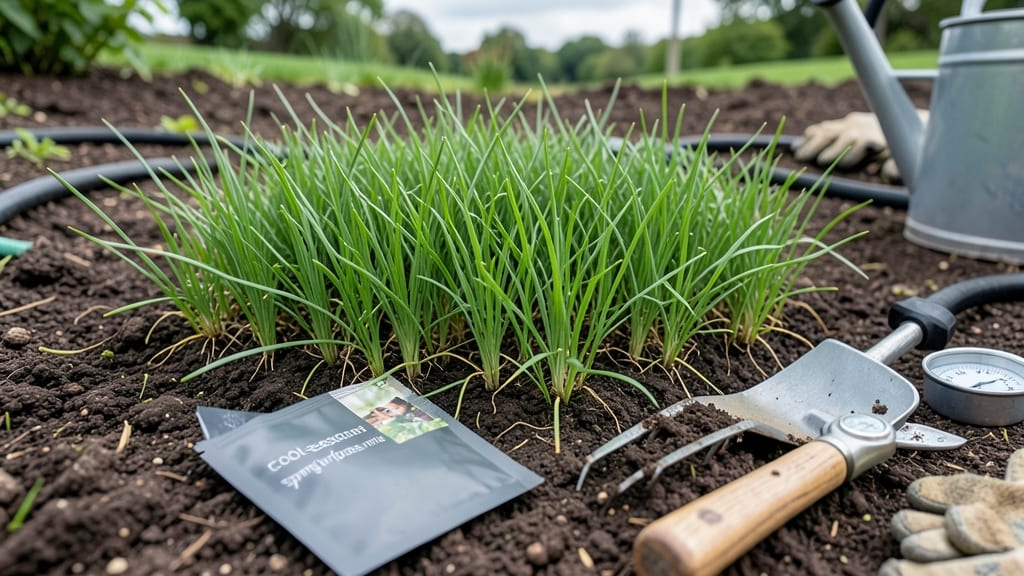
Timing your grass planting in spring isn't just about throwing seeds into the ground and hoping for the best—it's the difference between a lush, green lawn and months of patchy disappointment.
In USDA Zone 6, where I live, getting it right means starting 4-6 weeks before your last frost, usually around early April, but the real secret lies in soil temperature.
Most gardeners focus on frost dates, but soil temperature is the true game-changer. Your grass seeds need the ground to be at least 55°F—any colder, and germination slows to a crawl. Too warm, and you risk drying out the delicate seedlings before they take root.
Let me show you exactly how to check your soil's readiness and why this small detail makes all the difference in your lawn's success.
What you'll discover here isn't just a general "plant in spring" answer—it's a precise week-by-week guide tailored to your zone, complete with soil temperature charts and frost risk factors.
Whether you're dealing with cool-season grasses like Kentucky bluegrass or warm-season varieties, I'll walk you through the best window to plant, how to prep your soil, and what to watch for in those critical first weeks.
Skip the guesswork and avoid common mistakes that turn 🌱 dreams into brown patches. By the end, you'll know exactly when to pull out those seed packets and how to give your lawn the strongest start possible—no matter where you are in the country.
Best soil temperature ranges for planting grass in spring
Planting grass at the right soil temperature is the secret to a thick, healthy lawn. Cool-season grasses like Kentucky bluegrass and tall fescue thrive when soil reaches 50°F to 60°F, while warm-season types such as Bermuda and Zoysia need 65°F to 75°F.
Planting too early risks frost damage, while waiting too long can stress seedlings during summer heat.
Your local climate and hardiness zone dictate the exact timing. For example, Zone 5 gardeners should aim for early May, while Zone 8 can start as early as February. Always check a soil thermometer—surface temps can be misleading compared to deeper soil layers where roots establish.
Testing soil temperature is simple: Insert a thermometer 4 inches deep in shaded soil (direct sun skews results). Early mornings are ideal for testing since temps drop overnight. If your soil is below 50°F, wait 1-2 weeks—grass seeds won’t germinate effectively in cold conditions.
Cool-season grasses like fescue and ryegrass can handle slightly cooler soils (45°F), but growth will be sluggish. Warm-season grasses, however, won’t germinate below 60°F, so don’t rush planting in cooler zones. Patience here prevents seed rot or poor establishment.
Regional adjustments are key. In northern climates (Zones 3–5), aim for late April to early May when soil warms to 55°F. Southern zones (Zones 8–10) can start as early as February, but avoid planting if nighttime temps dip below 60°F—warm-season grasses need consistency.
If you’re unsure about your last frost date, check the USDA Plant Hardiness Zone Map or local agricultural extensions. For example, Denver (Zone 5) typically sees its last frost around May 1, while Miami (Zone 10) rarely has frost. Plant 4–6 weeks before this date for cool-season grasses.
Preparing your soil is just as critical as timing. Loosen the top 4–6 inches of soil to improve aeration and drainage. Add compost or a starter fertilizer (high in phosphorus) to encourage root growth.
Avoid heavy clay soils—amend with sand or peat moss if needed. Proper prep ensures your grass seeds have the best chance to establish before summer stress hits.
Once planted, monitor soil moisture closely. New grass needs 1–1.5 inches of water weekly, but avoid overwatering—soggy soil suffocates roots. Water deeply in the morning to reduce evaporation and fungal risks. Mulch lightly with straw to retain moisture and protect seeds from crusting.
Watch for germination signs like tiny sprouts appearing in 7–21 days (depending on grass type). If you see uneven growth or yellowing, it may
Exact planting weeks by USDA hardiness Zone (map included)
Finding the perfect planting window for your grass depends on more than just the calendar—your USDA hardiness zone and local frost patterns are the real deciding factors.
In Zone 6, where I live, I plant around early April, but gardeners in Zone 8 might wait until late March, while those in Zone 3 often delay until May.
Let’s break down the exact weeks you should aim for based on your zone, so you can avoid the common mistake of planting too early when frost is still lurking.
Most gardeners focus on the last frost date, but I’ve learned that soil temperature and frost risk are equally important.
For example, in Zone 5, you might see frost as late as May 10, but if your soil hasn’t warmed to at least 55°F, your seeds will struggle to germinate.
Below is a zone-by-zone guide to help you pinpoint the best 4-6 week window before your last frost—plus how to adjust if your spring is unusually warm or cold.
To calculate your exact planting week, start by checking your local last frost date (use the National Weather Service or Old Farmer’s Almanac for precise data). Then, count back 4-6 weeks—this gives your grass seeds enough time to germinate before frost hits again.
For example, if your last frost is April 15, aim to plant by March 1. Pro tip: Use a soil thermometer ($10 at garden centers) to confirm your soil is warm enough before planting.
If you’re in a transition zone (like Zone 6b/7a), err on the side of caution. I once planted too early in Zone 6 and lost half my seed to a late frost.
Since then, I’ve made it a rule to wait until the soil hits 55°F consistently for at least a week. This small adjustment saved my lawn—and my sanity—last spring.
For warm-season grasses like Bermuda or Zoysia, you’ll want to wait until soil temps reach 70°F+, which typically happens in late spring or early summer.
Don’t forget to account for microclimates in your yard. Shady spots or low-lying areas may stay colder longer, so test the soil in multiple locations. If you’re unsure, plant a test patch first to see how your grass responds to your local conditions.
This low-risk approach can reveal whether your chosen variety thrives in your specific zone—or if you need to switch to a hardier type.
Once you’ve nailed down your planting window, mark your calendar and set reminders. Grass seeds germinate best when planted in cool, moist soil, so aim to finish prep work at least a week before your target date.
Water deeply the day before planting to ensure the soil is ready for your new lawn. With the right timing, you’ll be rewarded with a thick, green carpet that’s the envy of the neighborhood—no patchy brown spots in sight! 🌱