
Planting
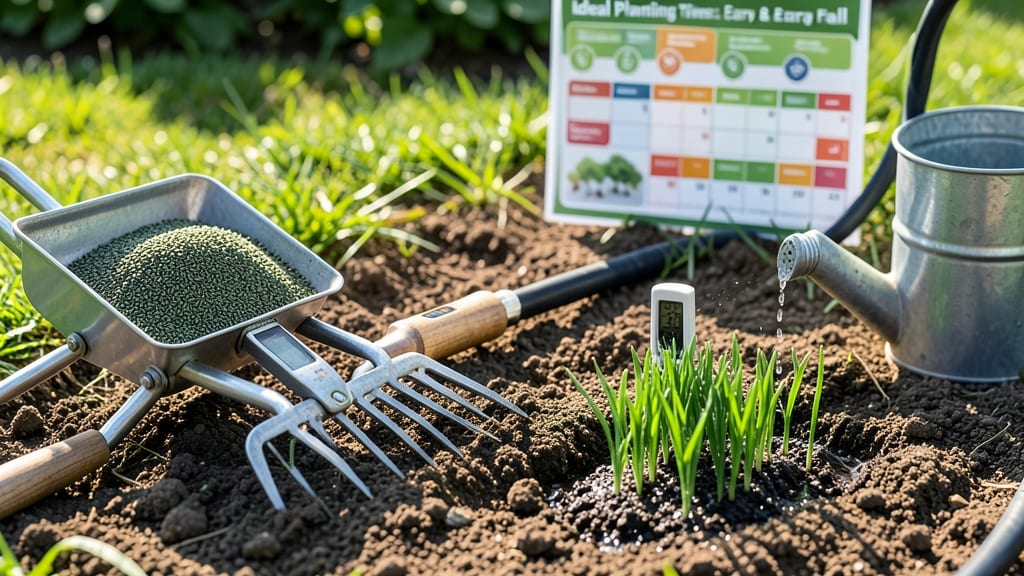
Planting your 🌱 grass seed in Massachusetts at the wrong time can mean watching your hard work wash away with spring rains or freeze before it even sprouts.
The difference between a thick, green lawn and a patchy disappointment often comes down to knowing exactly when to pull the trigger—because timing in New England isn’t just about the calendar, it’s about the soil temperature, frost dates, and regional microclimates that can shift from coastal breezes to inland warmth.
If you’ve ever stared at a seed packet wondering whether it’s safe to plant in March or waited until October only to regret it, you’re not alone.
The key is understanding the 50-65°F soil temperature window and how it varies from Boston’s coastal chill to the warmer inland valleys of Western Massachusetts. I’ll break down the exact frost-free windows by region so you can plant with confidence—no more guessing games.
What you’ll discover here is how to align your planting schedule with Massachusetts’ unpredictable weather, from avoiding early spring’s lingering frost to capitalizing on fall’s cooler, weed-free conditions.
Whether you’re seeding a new lawn or repairing bare spots, these insights will help you skip the common mistakes and get that lush green you’re dreaming of.
Ready to transform your yard? Let’s dive into the best times to plant grass seed in Massachusetts—and why getting it right the first time saves you time, money, and frustration down the road.
Massachusetts grass seed planting calendar: exact frost-free dates by region
Massachusetts’ variable climate means your planting window depends heavily on your specific region. Coastal areas like Cape Cod enjoy milder winters, while inland zones like Western MA face harsher frosts. Soil temperature is your best guide—wait until it hits 50-65°F for consistent germination.
The average last frost ranges from early April in Boston to late April in Northern MA.
Fall planting is equally critical—aim for 6-8 weeks before first frost, typically by mid-September.
This gives seeds time to establish roots before winter dormancy. Northern MA regions like the Berkshires often need earlier fall planting (early September), while Cape Cod can extend to late October due to its coastal moderation.
Here’s your region-specific planting calendar with exact frost dates and ideal soil temps to maximize your lawn’s success:
Pro tip: Use a soil thermometer to confirm temps—cool, damp springs can delay planting even after the last frost. Western MA’s higher elevations often need an extra week of waiting compared to coastal areas.
For overseeding existing lawns, aim for early fall (September) when grass recovers from summer stress. This is your best chance for thick, weed-resistant growth before winter sets in.
If you’re in Zone 5b (Northern MA), consider cold-hardy ryegrass mixes for early spring planting—they germinate faster in cooler soils. Southern MA (Zone 6b) can handle Kentucky Bluegrass for a lush, durable lawn.
Remember: Planting too early risks frost damage, while waiting too long lets weeds steal your space. Check the National Weather Service for your local 10-day forecast before seeding.
🌱
How to prepare your Massachusetts lawn for grass seed success
Preparing your lawn properly is just as important as choosing the right planting window. A well-prepared site ensures better seed-to-soil contact, fewer weeds, and faster germination. In Massachusetts’ variable climate, this step can mean the difference between a thick lawn and patchy growth.
Start by removing any existing dead grass or weeds. Use a lawn rake or dethatching tool to loosen the top layer of soil. This creates a smooth surface for seeds to settle into, improving moisture retention and root establishment.
For areas with dense weeds, consider a pre-emergent herbicide 2-3 weeks before planting.
Next, test your soil’s pH level. Most grasses thrive in slightly acidic to neutral soil (pH 6.0-7.0). If your soil is too alkaline or acidic, amend it with lime (to raise pH) or sulfur (to lower pH).
A simple DIY soil test kit from your local garden center will give you the data you need.