
Plants
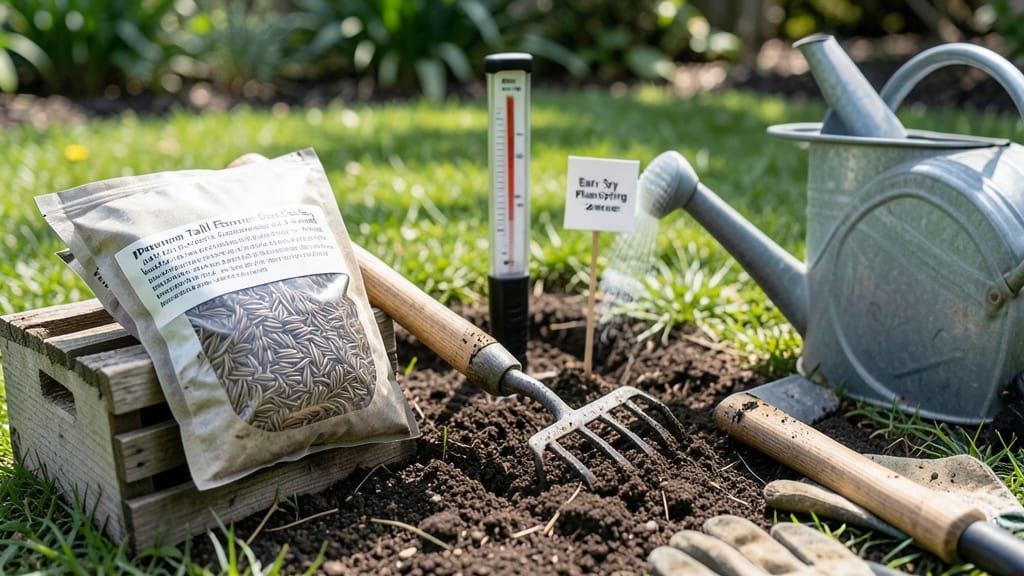
Timing your grass seed planting in spring can make or break your lawn’s success—so nailing that perfect window is everything. 🌱 The difference between a lush carpet of green and frustrating bare patches often comes down to one critical factor: when you plant.
Too early, and frost or cold soil can stall germination. Too late, and summer heat might stress young grass before it takes root.
Most gardeners in USDA Zone 6a (and similar climates) aim for early to mid-spring, but the ideal window depends on soil temperatures, not just calendar dates.
I’ll break down the science behind the 50-70°F soil temperature range and how to adjust for your region—whether you’re in the chilly North or milder Southern areas.
Beyond timing, preparation is key. We’ll cover how to test your soil, clear debris, and create the perfect seedbed so your grass gets off to a strong start.
And if you’ve ever wondered why some lawns thrive while others struggle, you’ll learn the common mistakes to avoid, like planting too soon after frost or skipping soil prep.
Ready to transform your patchy lawn into a vibrant, healthy space? Let’s dive into the exact steps to plant grass seed at the perfect moment—so you can enjoy that first cut of the season without a single regret.
The ideal spring temperature window for planting grass seed
Spring is the prime time to plant grass seed, but not all spring days are created equal. The magic window for planting occurs when soil temperatures hit 55-65°F (13-18°C)—this range triggers consistent germination.
Air temperatures should be cool but stable, ideally between 50-70°F (10-21°C), to prevent stress on young seedlings. If you plant too early, frost can kill tender sprouts, while planting too late risks drought stress as summer heat arrives.
This temperature sweet spot typically falls between March and early May in most U.S. regions, but exact timing varies by USDA hardiness zone. For example, Zone 3-5 (northern climates) may wait until late April, while Zone 7-10 (southern climates) can start as early as February.
Always check your last frost date—planting too soon risks frost damage, even if soil temps seem ideal.
Why does temperature matter so much? Grass seeds need warmth to activate enzymes that break down stored nutrients, but they also need cool air to prevent dehydration.
Think of it like Goldilocks: too hot (above 75°F) causes seeds to dry out, too cold (below 50°F) stalls germination, and just right creates perfect conditions for sprouting in 7-21 days, depending on the grass type.
🌱 Pro Tip: Use a soil thermometer (available for $10-$15) to check temps at 4-inch depth—this is where seeds will germinate. Morning is the best time to test, as soil cools overnight.
| Region (USDA Zone) | Ideal Planting Window | Soil Temp Threshold | Key Risks |
|---|---|---|---|
| Zones 3-5 (Northern) | Late April - Early May | 55-65°F (13-18°C) | Late frost, slow warming |
| Zones 6-7 (Mid-Atlantic) | March - Mid-April | 50-60°F (10-15°C) | Unpredictable rain, heatwaves |
| Zones 8-10 (Southern) | February - Early March | 60-70°F (15-21°C) | Drought, summer heat stress |
| All Zones (Fall Backup) | September - October | 60-75°F (15-24°C) | Early frost, shorter daylight |
Regional differences aren’t just about temperature—they also involve rainfall patterns and humidity levels.
In arid climates (like Arizona or California), spring planting often relies on supplemental irrigation to maintain moisture, while humid regions (like the Southeast) may face fungal risks if seeds are planted too late and summer heat arrives.
Always monitor a 7-day weather forecast for consistent moderate temps and light rainfall—these conditions are ideal for seed-to-sprout transition.
Another critical factor is grass seed type. Cool-season grasses (like Kentucky bluegrass or fescue) thrive in spring planting, while warm-season grasses (like Bermuda or Zoysia) should wait until late spring or summer.
Mixing types or planting the wrong variety for your climate can lead to uneven growth or brown patches as temperatures shift. Always check the seed packet for recommended planting times—this ensures you’re choosing the right grass for your zone.
If you’re unsure about your local conditions, consult your cooperative extension service (a free resource offered by land-grant universities). They provide hyper-local advice based on recent weather data and can even suggest microclimate adjustments (like planting on a south-facing slope to warm soil faster).
For most home gardeners, the best rule of thumb is to wait until 3-4 weeks after your last frost date—this gives your lawn time to dry out and warm up naturally.
Once you’ve nailed the timing, the next step is preparing your soil. Loose, well-aerated soil with a pH between 6.0-7.5 ensures seeds make contact with moisture and nutrients. But before we dive into prep work, let’s address a common mistake: planting when the forecast promises rain.
While rain can help, overwatering or heavy downpours can wash seeds away or create muddy conditions that suffocate sprouts. Aim for gentle, frequent watering (like a light mist
The ideal spring temperature window for planting grass seed
Your grass seed’s germination success hinges on one critical factor: soil temperature. While calendar dates give a rough estimate, the real magic happens when your soil hits that 50-70°F sweet spot.
This range ensures seeds wake up from dormancy but don’t overheat—think of it as Goldilocks for your lawn. 🌱 In USDA Zones 3-10, this typically translates to late March through May, but regional microclimates can shift that window by weeks.
For example, gardeners in Zone 6a (like much of the Midwest) often plant in early April, while Southern gardeners in Zone 8-10 might start as early as February. The key is monitoring soil—not air—temperature, since air temps can be misleading.
A simple soil thermometer (just $10 at garden centers) becomes your best friend here—stick it 2-4 inches deep to get an accurate reading.
Why this range? Below 50°F, seeds stay dormant or rot; above 70°F, they dry out too quickly. The 60-65°F zone is prime for most cool-season grasses like Kentucky bluegrass and tall fescue, while warm-season types (like Bermuda) prefer the 70-75°F window—usually late spring to early summer.
Misjudging this can mean waiting another full year for your dream lawn.
| Grass Type | Ideal Soil Temp | Best Planting Months | Key Risk |
|---|---|---|---|
| Cool-season (Kentucky bluegrass, fescue) | 50-65°F | March-May | Frost damage if planted too early |
| Warm-season (Bermuda, Zoysia) | 70-75°F | May-July | Drought stress if planted late |
| Ryegrass (fast-growing) | 45-60°F | February-April | Overcrowding if planted too late |
🌡️ Pro Tip: Check soil temps for 3 consecutive days in the afternoon (2-4" deep) before planting.
If you’re in a transition zone (like Zone 7), split your planting: sow cool-season grasses in early spring and warm-season varieties in late spring. This two-step approach ensures year-round green coverage.
For example, I planted tall fescue in April and Zoysia in June last year—now my lawn stays lush from spring through fall with minimal bare spots.
Don’t overlook weather forecasts either. A 10-day outlook showing consistent temps above 50°F with no frost warnings is your green light. Tools like the National Weather Service’s soil temperature maps or local Cooperative Extension offices can provide hyper-local data.
And if your area’s known for late spring frosts (like the Midwest), wait until after the average last frost date—even if your soil’s warm enough.
Finally, remember that even perfect timing won’t save a poorly prepared lawn. Next, we’ll cover how to prep your soil like a pro—because the best planting window won’t help if your seedbed is rocky, compacted, or full of weeds.
Stay tuned for my step-by-step soil prep guide to maximize your grass seed’s success rate. ✂️