
Companion Plants
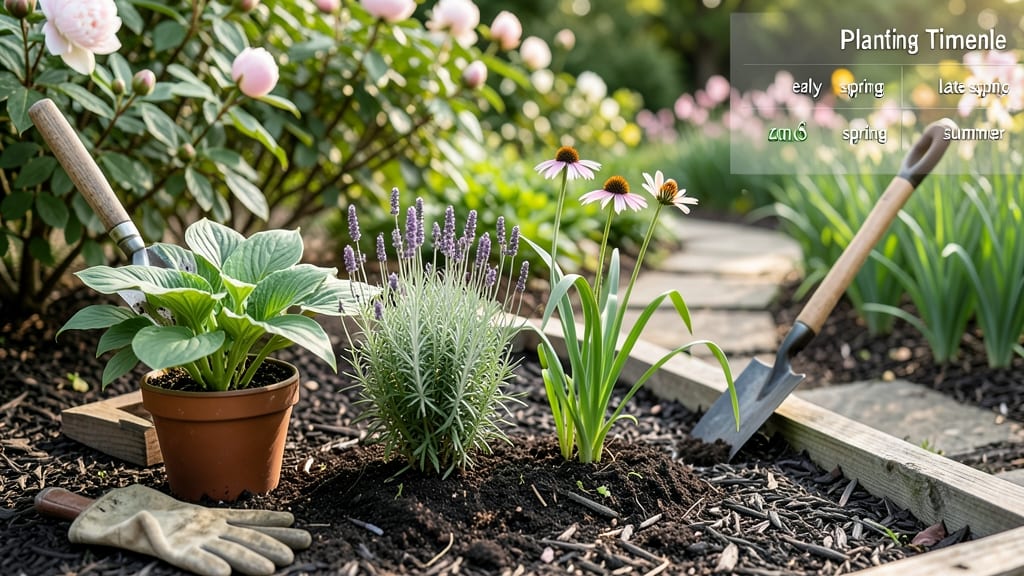
If you're wondering when to plant perennials in Zone 6, timing is the secret weapon between a thriving garden and a disappointing one. The right window means stronger roots, better blooms, and fewer surprises when frost rolls in—while the wrong timing can leave your plants struggling or even dead.
Zone 6 gardeners know the stakes: plant too early, and frost can wipe out tender roots; wait too long, and your perennials may not establish before winter.
But here’s the good news—you’ve got two prime opportunities each year to get it right, and I’ll break down exactly when those are, plus how to prepare your soil for success.
Spring planting in Zone 6 kicks off as soon as the ground is workable (usually March or April), but fall is often the smarter choice for many perennials. Why? Because cooler temps and consistent moisture give roots time to settle in before dormancy.
I’ll walk you through the exact months, regional tweaks for 6a vs. 6b, and how to tell if your soil’s ready.
Whether you’re a seasoned gardener or just starting, this guide will help you avoid common pitfalls—like planting too close to frost dates or ignoring soil temperature—and set your perennials up for a lush, long-lasting display. Let’s get those roots in the ground the right way.
Best months to plant perennials in Zone 6 for optimal growth
Timing your perennial planting in Zone 6 is all about avoiding late frosts while giving roots time to establish before winter. The ideal window spans from early spring to early fall, with two key periods: March-April and September-October. These months balance soil warmth and frost risk for maximum success.
Zone 6’s last average frost date typically falls around mid-April, while the first frost arrives in mid-October. Planting too early risks frost damage, while late planting may stunt root growth before winter.
Understanding your microclimate (e.g., urban heat islands vs. rural areas) can shift these dates by 1-2 weeks.
For spring planting, aim to get perennials in the ground 2-4 weeks before your last frost date. This gives roots 6-8 weeks of warm soil to establish before summer heat arrives. In fall, plant 4-6 weeks before your first frost—this lets roots grow but avoids winter dormancy stress.
Zone 6’s regional variations matter—Midwest gardens (e.g., Chicago) may have earlier frosts than Appalachian areas (e.g., Asheville). Check your local frost dates via the USDA Plant Hardiness Zone Map or Almanac tools.
For example, northern Zone 6a (e.g., Detroit) might shift planting 1 week later than southern Zone 6b (e.g., Nashville).
Perennials like hostas and peonies thrive with spring planting, while coneflowers and lavender benefit from fall’s cooler soil. Tender perennials (e.g., canas) need late spring planting to avoid frost. Always acclimate container-grown plants for 1–2 weeks before transplanting to reduce shock.
If you miss the ideal windows, don’t panic! Late spring (May) still works for hardy perennials, though growth may slow in summer heat. For fall backups, plant in early September and use row covers to extend the season.
Just avoid planting after mid-October—roots won’t have time to establish before frost.
Soil temperature is your best guide: Use a soil thermometer to confirm 45°F (7°C) for spring or 50°F (10°C) for fall. Cold soil slows root growth, while too-warm soil can shock delicate roots. Amend your soil with compost 2–3 weeks before planting to improve warmth retention and drainage.
For container-grown perennials, timing is flexible—just ensure roots aren’t pot-bound. Bare-root perennials (e.g., asparagus) need spring planting for best results. Always water deeply after planting to encourage root spread, and avoid fertilizing for 4–6 weeks to prevent burn.
Remember: Fall planting often yields healthier perennials because roots grow without summer stress. Start with 6–8 weeks before frost to give plants
Best months to plant perennials in Zone 6 for optimal growth
Zone 6 gardeners face a 165-day frost-free window—too short to risk planting at the wrong time. The ideal planting windows are early spring (March-April) and early fall (September-October), when soil temperatures hover between 40°F and 60°F.
These months give roots 6-8 weeks to establish before extreme heat or cold arrives.
Spring planting should happen after your last frost date (typically mid-April in Zone 6). Fall planting, however, requires 4-6 weeks before first frost (usually mid-October) to allow roots to grow but avoid winter dormancy stress. Missing these windows can lead to stunted growth or winterkill.
Zone 6 spans diverse regions—Midwest areas like Chicago may plant slightly later than Appalachian zones like Asheville. Check your local frost dates and adjust by 2-3 weeks if you’re in a cooler microclimate.
For example, northern Indiana might aim for April 15, while western Pennsylvania could plant by April 1.
| Planting Window | Key Soil Temp | Frost Risk | Best For |
|---|---|---|---|
| Early Spring (March-April) | 40°F–50°F | Low (post-last frost) | Tender perennials, bulbs, warm-season starters |
| Late Spring (May) | 55°F–65°F | None | Established perennials, container plants |
| Early Fall (September-October) | 50°F–60°F | Low (4-6 weeks before frost) | Hardy perennials, root establishment |
| Late Fall (November) | Below 40°F | High | Avoid—risk of winter damage |
Fall planting often yields healthier perennials because cooler temps reduce transplant shock. Coneflowers, hostas, and lavender thrive when planted in September, as they establish roots before winter. For spring planting, prioritize cool-season perennials like bleeding hearts or lungwort in March, while black-eyed Susans can wait until April.
Use a soil thermometer to confirm readiness—50°F+ signals safe planting. If your soil is colder, wait 1-2 weeks or use row covers to protect young plants. Mulch heavily after planting to retain moisture and regulate soil temps.
Pro tip: Divide and transplant existing perennials in early spring or fall when they’re dormant but roots are active. This boosts vigor and fills gaps in your garden beds naturally.