
Companion Plants
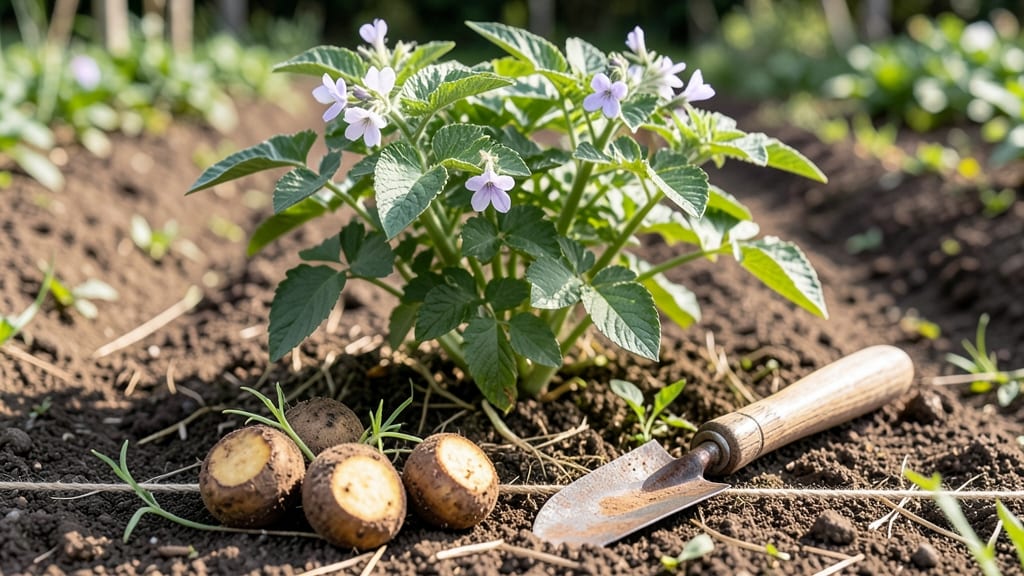
If you're wondering when to plant potatoes in Zone 7b, timing is the secret weapon that separates a thriving harvest from a disappointing one. Too early, and frost will nip your young sprouts; too late, and your spuds might bolt before reaching their full potential.
Zone 7b gardeners have a narrow but critical window—typically between February and March—to get seed potatoes in the ground. This aligns with soil temperatures warming up just enough to encourage growth while still avoiding the last frost date around March 15.
But here's the kicker: not all potatoes are created equal. Early varieties like 'Yukon Gold' can handle cooler soils, while late bloomers like 'Russet' need that extra warmth to mature properly. I’ll break down the exact timing, soil prep, and even how to stretch your harvest with succession planting.
Ready to grow potatoes that rival the grocery store? Let’s dive into the frost-free schedule that’ll give you a bumper crop from July through August—and maybe even a few surprises along the way.
Zone 7b potato planting timeline: exact weeks before last frost for success
In Zone 7b, where average last frost dates hover around March 15, timing your potato plantings correctly means the difference between a bountiful harvest and wasted seed potatoes.
The key is planting 2-4 weeks before your last frost—typically between late February and early March—when soil temperatures reach at least 45°F (7°C). This window ensures tubers sprout before frost damage occurs while avoiding the summer heat that causes potatoes to bolt prematurely.
For Zone 7b gardeners, I recommend starting with early-maturing varieties like 'Yukon Gold' or 'Red Norland' for the first planting. These varieties take 60-90 days to harvest, giving you time to squeeze in a second planting of mid-season varieties like 'Kennebec' if your season extends into June.
Always check your local frost-free date—some microclimates in Zone 7b may experience frost as late as April 1, especially in valleys.
Here’s the critical timeline for Zone 7b success:
Pro tip: Use black plastic mulch to warm soil faster in early plantings. Lay it down 2 weeks before planting—this can shave off critical days waiting for soil to reach the ideal 45°F (7°C) threshold.
For elevated areas in Zone 7b, like hills or south-facing slopes, you can plant 1-2 weeks earlier since they warm up faster and have fewer frost risks.
If you’re tempted to plant seed potatoes indoors for a head start, resist the urge! Potatoes thrive when planted directly in cool, well-draining soil. Transplanting started tubers often shocks the plants, leading to stunted growth.
Instead, focus on soil prep: Work in compost or aged manure 2-3 weeks before planting to improve drainage and fertility—potatoes hate soggy soil.
For late-season extensions, consider hill planting to protect tubers from summer heat. Mound soil around stems as plants grow, keeping tubers shaded and cool. This technique also prevents greening (toxic solanine buildup) from excess sunlight.
In Zone 7b’s hot summers, hilling becomes your secret weapon for avoiding bitter, inedible potatoes.
One common mistake in Zone 7b is planting too early when soil is still cold and wet. If you plant in January or very early February, tubers may rot before sprouting.
Always check soil temperature with a soil thermometer—it’s the only way to guarantee success. Aim for 45°F (7°C) minimum for planting depth of 4 inches.
Remember: Succession planting is your best friend in Zone 7b. By staggering plantings every 2-3 weeks through April, you can enjoy fresh potatoes from June through August. Just avoid planting after June 1—late plantings rarely mature before the first frost in November.
For organic gardeners, I swear by compost tea applied at planting time to boost microbial activity. The extra beneficial bacteria help potatoes resist blight, a common issue in Zone 7b’s humid summers.
Pair this with crop rotation—never plant potatoes in the same spot two years in a row—to keep diseases at bay.
How to extend your potato harvest in Zone 7b: succession planting secrets
One of the best ways to enjoy homegrown potatoes all summer in Zone 7b is through succession planting. By staggering your plantings every 2-3 weeks, you'll create a continuous harvest from June through September.
This method works especially well for gardeners who love fresh spuds but hate wasting space or time.
Start your first batch 4-6 weeks before your last frost date (typically early March in Zone 7b). Then, plant subsequent batches every 2-3 weeks until mid-April. This ensures you'll have potatoes ready to harvest at different stages, preventing a single overwhelming harvest all at once.
For succession planting success, choose varieties with different maturity rates. Early varieties like 'Yukon Gold' (70-80 days) pair perfectly with mid-season 'Red Pontiac' (90-100 days) and late-season 'Russet' (110-120 days). This variety mix lets you spread out your harvest window dramatically.
🌱 Succession Planting Schedule for Zone 7b
To protect late-season plantings from summer heat stress, use shade cloth during peak afternoon sun (1-4 PM). This simple trick can extend your growing season by 2-3 weeks without sacrificing yield. Just drape lightweight shade cloth (30-50% shade) over hoops placed above your potato hills.
With this approach, you'll enjoy fresh, homegrown potatoes from June through September—no more grocery store spuds all summer! The key is planning your plantings carefully and choosing varieties that match your local climate patterns in Zone 7b. 🌱