
Flowers
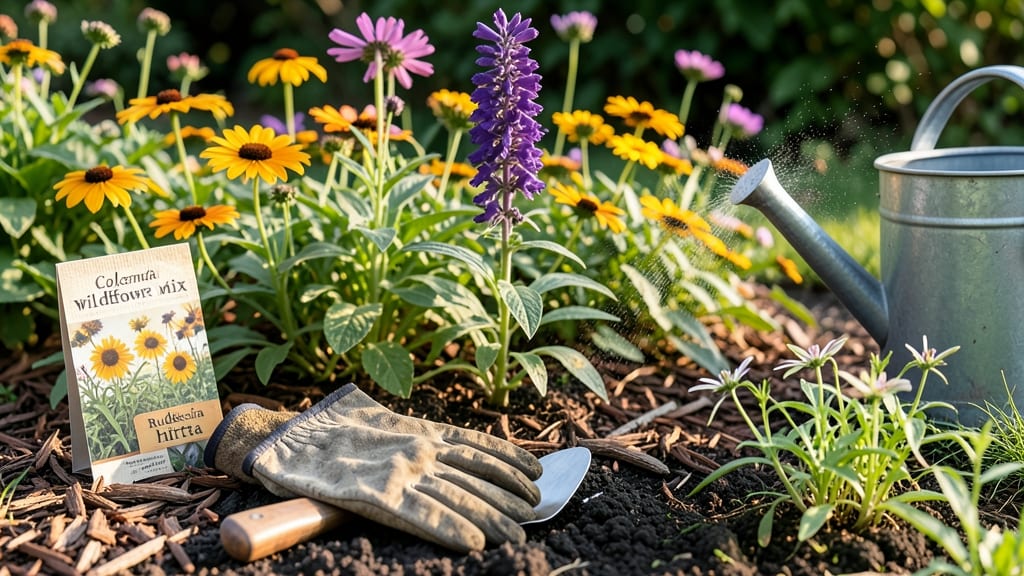
Timing your flowers in Colorado planting right can mean the difference between a vibrant garden and a frost-killed disappointment. With elevations ranging from 3,000 to 14,000 feet, your last frost date might be weeks—or even months—earlier than your neighbor’s.
If you’ve ever rushed to plant 🌸 in April only to watch a late snowstorm wipe out your progress, you’re not alone. Colorado’s microclimates demand precision, and getting it wrong can stifle your garden before it even starts. The key? Knowing your exact elevation zone and adjusting your schedule accordingly.
In this guide, I’ll break down the optimal planting windows for Colorado’s diverse regions—from the Front Range’s 5,000-foot valleys to the Western Slope’s high-desert plateaus. Whether you’re sowing annuals, perennials, or bulbs, you’ll learn how to time it perfectly for maximum blooms and minimal stress.
Ready to transform your garden from hit-or-miss to consistently stunning? Let’s dive into the elevation-specific dates that will set your flowers up for success—no guesswork required.
Colorado flower planting dates by elevation zone (2024 guide)
Colorado’s elevation extremes create wildly different planting windows. A Denver garden (5,280 ft) might plant marigolds in mid-April, while Aspen’s high country (8,000+ ft) waits until late May or June. Understanding your microclimate is key to avoiding frost damage and maximizing bloom time.
Use the USDA Hardiness Zone map as a starting point—Colorado spans Zones 4-7—but local frost dates tell the real story. The Front Range typically sees its last spring frost between April 10-20, while the Western Slope can delay until May 15-30.
High-altitude areas like Leadville may not be frost-free until June 15.
Here’s your elevation-based planting timeline, including hardiness zone adjustments and microclimate exceptions like urban heat islands (e.g., Colorado Springs warms faster than Boulder).
For annual flowers like marigolds or petunias, wait until soil temperatures hit 50°F and nighttime lows stay above 40°F. Use a soil thermometer—cold soil can stunt growth. Perennials like coneflowers or black-eyed Susans are more flexible and can handle late April plantings in lower elevations.
Fall planting is your secret weapon in Colorado. Hardy annuals like pansies or snapdragons thrive when planted in September, blooming until first frost. High-altitude gardens can extend this to early August for early-season color. Always plant 6–8 weeks before expected frost to allow roots to establish.
Pro tip: Check the NOAA Colorado frost maps for real-time updates. Mountain valleys (e.g., Grand Junction) can have 30-degree temperature swings overnight—plant heat-loving flowers like zinnias only after May 15. In Denver’s urban core, pavement holds heat, so start tender flowers 5–7 days earlier than rural areas.
If you’re unsure about your exact elevation, use this quick guide: Every 1,000 ft gain delays planting by 3–5 days. For example, Fort Collins (5,000 ft) aligns with mid-elevation dates, while Estes Park (7,800 ft) follows high-altitude timelines.
Always err on the side of caution—a late frost in May can wipe out tender annuals planted too early.
For container gardening
How to adjust planting for Colorado’s unpredictable weather patterns
Colorado’s weather can shift faster than a mountain breeze—one day it’s 60°F and sunny, the next it’s snowing at 5,000 feet. These swings make timing critical for your flowers. I’ve gardened here for years and learned that flexibility is key. Whether you’re in Denver’s urban heat island or the Western Slope’s desert-like conditions, knowing how to adapt saves your plants (and your sanity). The biggest challenge? Late spring frosts that hit after your local nursery says “it’s safe to plant.” I once lost a batch of marigolds in May because I trusted the calendar—not the weather forecast. That’s why I now use NOAA’s Colorado frost maps and set phone alerts for freeze warnings. These tools predict sudden drops better than any gardening book.
- 🌱 Start seeds indoors 6-8 weeks before your last frost date. High-altitude areas (8,000+ ft) need earlier starts—think March!
- ☀️ Use black plastic mulch to warm soil faster in lowland zones (3,000–5,000 ft). It can add 5–10°F to soil temps.
- ❄️ Choose cold-hardy flowers like sweet alyssum, snapdragons, or pansies for early spring/fall planting. They tolerate 28–32°F temps.
- 📱 Monitor microclimates—urban areas (Denver, Fort Collins) warm up 2–3 weeks earlier than rural spots. Use local weather stations for real-time data.
- 🪴 Hardening off takes longer in Colorado. Acclimate seedlings over 2 weeks (not 1) to avoid shock from wind and temp swings.
Pro Move: Test your soil’s warmth before planting. Stick your finger 2 inches deep—if it’s below 50°F, wait. Cold soil stunts roots, and Colorado’s alkaline soil can burn tender seedlings. Amend with compost or peat moss to improve drainage and warmth retention.
Finally, don’t rush. I’ve seen gardeners in Colorado Springs plant tomatoes in April only to have them fried by 90°F days by June. Stagger plantings every 2 weeks for a continuous bloom. And if Mother Nature throws a curveball? Have backup seeds—trust me, you’ll need them.🌿