
Planting
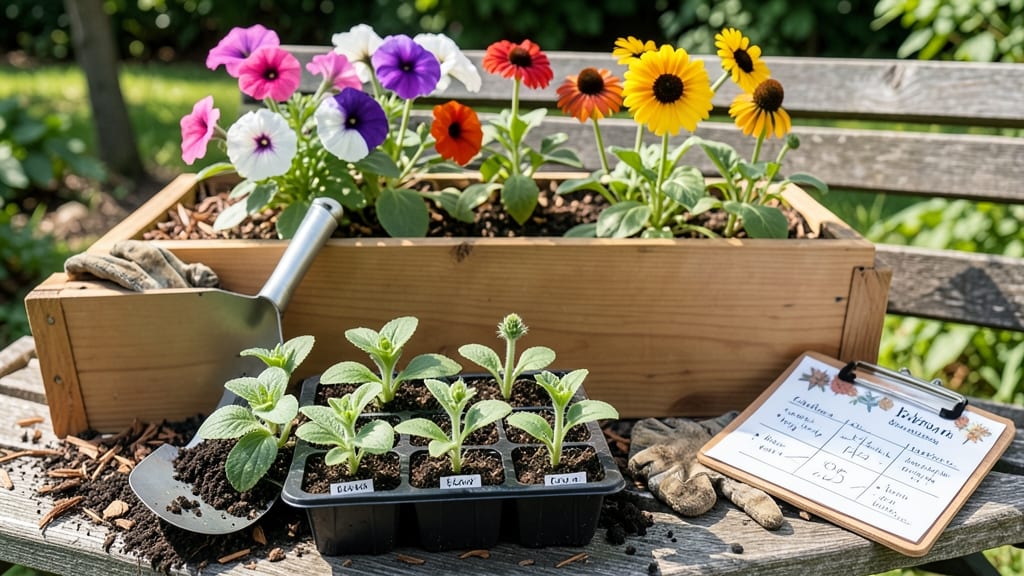
Timing your flower planting in Ohio can make the difference between a vibrant summer garden and a sad, frost-nipped disappointment. The state's six hardiness zones mean what works in Cincinnati won't always work in Cleveland, and those last frost dates shift like the weather itself.
I've learned the hard way that rushing spring planting or waiting too long can leave your garden looking sparse. Whether you're a first-time gardener or a seasoned green thumb, knowing the exact windows for planting annuals, perennials, and bulbs will give you that competitive edge for continuous blooms.
From cool-loving pansies that thrive in early spring to heat-loving zinnias that need summer's warmth, each flower has its perfect planting moment. We'll break down Ohio's frost-free dates by zone and show you how to use local weather tools to time your plantings like a pro.
Ready to transform your backyard into a year-round floral display? Let's dive into the science of Ohio flower planting so you can enjoy blooms from spring through fall without the guesswork.
Ohio frost-free dates by Zone: the exact timeline for planting flowers
Ohio’s USDA hardiness zones 5a-6b create a 10-14 day difference in frost-free dates from north to south. In Zone 5a (northeast Ohio), average last frost arrives April 20-30, while Zone 6b (southwest Ohio) typically sees frost-free conditions by April 10-20.
These dates determine when to plant tender annuals like petunias and marigolds.
For cool-season flowers (pansies, snapdragons), you can start as early as March 15 in Zone 6b, but wait until April 1 in Zone 5a. Perennials like coneflowers and black-eyed Susans are more forgiving—they can handle light frosts and often thrive when planted in early spring or fall.
Here’s how to use frost dates for precision planting in Ohio:
To refine your timing, check the Ohio State University Extension’s frost maps or use tools like the Old Farmer’s Almanac. These resources provide localized 30-day forecasts that account for Ohio’s microclimates, like urban heat islands or sheltered valleys.
For Zone 5a gardeners, extend your season by choosing heat-loving annuals that tolerate Ohio’s hot summers. Varieties like zinnias and lantana thrive in full sun and dry soil, making them ideal for late spring plantings.
Pro tip: Plant cool-season flowers like pansies and snapdragons in early September for fall color. These varieties handle light frosts and bloom until first snow, giving you 6-8 weeks of color before winter.
Always harden off seedlings for 7-10 days before transplanting, especially if moving them from greenhouses or indoors to outdoor beds. This gradual adjustment helps prevent transplant shock and ensures stronger, more resilient plants.
Ohio’s first frost typically arrives between October 15-30, depending on the zone. Use this as your final planting deadline for warm-season flowers like marigolds and cosmos, which can handle light chills but won’t survive hard freezes.
For container gardening, you can push limits slightly—pots warm up faster and drain better, allowing you to plant 1-2 weeks earlier than in-ground beds. Just ensure containers have drainage holes and use lightweight potting mix to prevent waterlogging.
Remember: Soil temperature matters more than air temperature. Use a soil thermometer to confirm 50°F+ for most flowers. Cool-season flowers can handle 40°F soil, while tender annuals need 60°F+ to thrive.
Best flower varieties to plant by season in Ohio gardens
Ohio’s diverse climate lets you enjoy flowers from early spring through late fall—but not all blooms thrive in the same season. I’ve planted everything from frost-hardy pansies to heat-loving zinnias, and I’ve learned which varieties shine in Ohio’s cool springs, hot summers, and crisp falls.
The key is matching each flower’s temperature preferences to Ohio’s planting windows.
For early spring (March-April), focus on cool-season annuals that tolerate light frosts. These include pansies, snapdragons, and Sweet Alyssum, which bloom even when temperatures hover around 40°F. I’ve seen pansies survive 28°F frosts with just a light mulch layer—perfect for Ohio’s Zone 5a’s chilly starts.
As soil warms in late April-early May, transition to heat-tolerant annuals like marigolds, zinnias, and cosmos. These thrive in Ohio’s summer heat (75°F–90°F) and attract pollinators. Pro tip: Start marigolds indoors in March for early blooms, while zinnias can handle direct sowing after the last frost.
Don’t overlook perennials for year-round interest. Coneflowers and black-eyed Susans establish roots in spring but reward you with summer-fall blooms. Ohio natives like bee balm and butterfly weed need minimal care and support local ecosystems—ideal for low-maintenance gardens.
For fall planting (August-September), choose cool-season perennials like mums and asters. These handle Ohio’s fall temperature drops and often rebloom in spring. I’ve had chrysanthemums survive 32°F nights with a simple row cover, extending their display until first snow.
Ohio’s native wildflowers are my secret weapon for low-maintenance gardens. Purple coneflower and blazing star thrive in poor soil and require minimal watering once established. They also attract butterflies and bees, making your garden a pollinator paradise with almost no effort.
🌱 Remember: Always check your specific USDA zone (5a–6b) and local frost dates—even within Ohio, microclimates vary. For example, Cincinnati (Zone 6a) has a 2-week earlier last frost than Toledo (Zone 5b). When in doubt, use row covers or wait until soil reaches 60°F for heat-lovers.
- 🌸 Early Spring (March-April): Pansies, Snapdragons, Sweet Alyssum (40°F tolerance)
- ☀️ Late Spring (May): Marigolds, Zinnias, Cosmos (after last frost)
- 🌿 Summer (June-August): Sunflowers, Petunias, Lantana (full sun)
- 🍂 Fall (August-September): Mums, Asters, Coneflowers (cool-season perennials)
- 🌼 Native Perennials: Purple Coneflower, Bee Balm (drought-tolerant)