
Plants
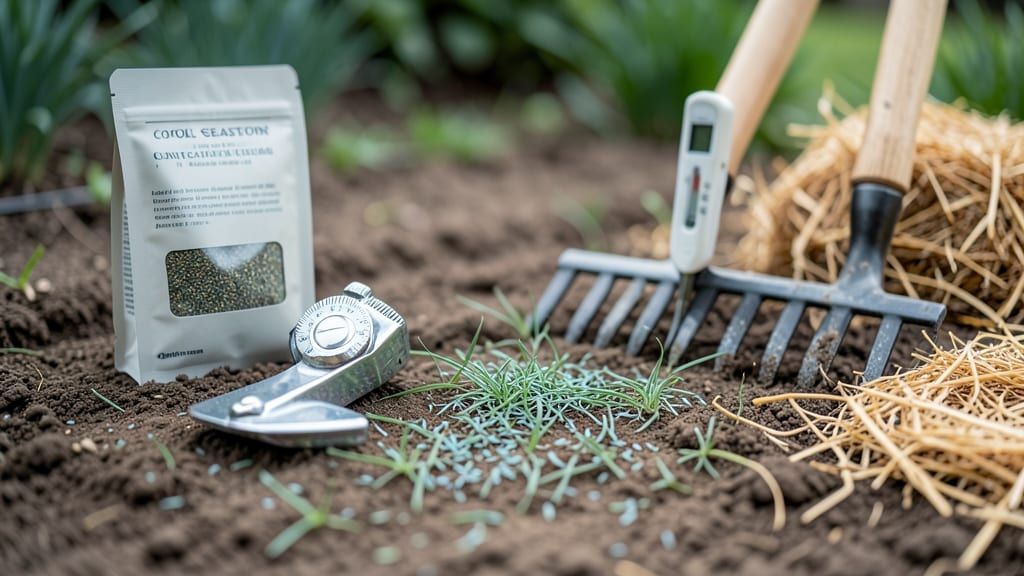
Planting grass seed in Colorado at the wrong time can turn your green dreams into a patchy, weed-filled disappointment—especially when you're dealing with 5,000-foot elevation swings and sudden frost.
The best window isn't just about the calendar; it's about soil temperature, moisture, and knowing whether you're in the Front Range's milder zone 5-6 or the Western Slope's colder zone 4-5.
Most Colorado gardeners swear by early spring (March-April) or late summer/early fall (August-September) as the sweet spots for 🌱 grass seed germination. But here's the catch: planting too early risks frost heave, while waiting too late lets weeds steal your lawn's future.
I'll show you exactly how to read your soil's signals—because timing isn't just about dates, it's about survival.
Let's cut through the guesswork. You'll discover how to test soil warmth (the 50–65°F sweet spot), choose the right grass type for your microclimate, and avoid the 3 biggest mistakes that kill Colorado lawns before they even start. Ready to turn your yard into the envy of the neighborhood?
Whether you're a first-time planter or a veteran battling thin patches, this guide gives you the zone-specific deadlines and actionable steps to finally get that lush, green carpet you've been dreaming of. Let's get started—your lawn's future depends on it.
Colorado planting zones and grass seed deadlines by month
Colorado’s diverse elevation zones and microclimates create unique challenges for grass seed planting. Whether you're in the Front Range (Denver, Colorado Springs) or the Western Slope (Grand Junction, Durango), timing matters.
Cool-season grasses like Kentucky bluegrass and tall fescue thrive in Colorado’s climate, but warm-season varieties like Bermuda grass need different care.
Most Colorado gardeners focus on two planting windows: early spring and late summer/fall. Spring planting (March–April) gives seeds time to establish before summer heat, while fall planting (August–September) avoids drought stress. However, soil temperature is the real deadline—seeds need 50–65°F soil to germinate successfully.
| Zone/Region | Best Planting Months | Soil Temp Threshold (°F) | Grass Types |
|---|---|---|---|
| Front Range (Denver, Boulder) | March–April, August–September | 50–65°F | Kentucky Bluegrass, Tall Fescue |
| Western Slope (Grand Junction) | April–May, September | 55–70°F | Bermuda Grass, Buffalograss |
| Eastern Plains (Pueblo, Fort Collins) | March–April, August–September | 50–60°F | Fine Fescue, Ryegrass |
| High Altitude (Aspen, Leadville) | May–June, July–August | 45–55°F | Alpine Bluegrass, Creeping Red Fescue |
For Front Range gardeners, aim to plant by mid-April to avoid late frosts. In Denver’s USDA Zone 5-6, soil warms quickly in spring, but seeds planted too early (February) risk frost heave.
Meanwhile, Western Slope areas like Grand Junction (Zone 5) can plant slightly later due to warmer microclimates.
Fall planting is ideal for overseeding existing lawns. In Colorado Springs, September is perfect—cool nights and warm days create ideal germination conditions. However, avoid planting after mid-October, as first frosts can damage tender seedlings.
If you’re in drought-prone areas like the San Luis Valley, prioritize drought-tolerant grasses like buffalograss or fine fescue. These varieties establish slower but survive Colorado’s dry summers better than Kentucky bluegrass.
Always check your local frost dates—Denver’s last frost is around April 15, while the Western Slope may see frost until May 1. Use these dates as a guide, but soil temperature is your best indicator.
Pro tip: Use a soil thermometer to confirm readiness. If your soil is below 50°F, wait—even if the calendar says it’s spring. Patience now means a thicker lawn later.
🌱
Critical factors that determine your exact planting date in Colorado
Colorado’s diverse climate—from the Front Range’s urban heat islands to the Western Slope’s arid deserts—means no single calendar date works for everyone. Your exact planting window depends on three key factors: soil temperature, rainfall patterns, and your local microclimate.
Ignoring these can lead to seeds rotting in cold soil or drying out before germination.
For example, Denver’s USDA Zone 5-6 allows spring planting by mid-March, while Grand Junction’s Zone 5 may wait until April 15 due to later warming. Even within cities, a north-facing yard stays cooler than a south-facing one—sometimes by 10°F or more.
Use a soil thermometer ($10 at garden centers) to confirm temps hit 50–65°F at 2-inch depth.
🌱
- 🌡️ Soil Warmth: Wait until soil reaches 50–65°F at 2" depth. Cold soil (<45°F) slows germination and invites rot. Use a soil thermometer for accuracy.
- 💧 Moisture Readiness: Test soil moisture by squeezing a handful—it should hold shape but not be soggy. Colorado’s dry springs often require pre-watering to prevent seeds from drying out.
- 🌿 Weed Suppression: Apply pre-emergent herbicide 1–2 weeks before planting to block weeds. Post-planting, hand-pull weeds when grass reaches 2–3 inches tall.
Rainfall is another wildcard. The San Luis Valley, for instance, gets half the precipitation of Boulder, so seeds there need daily watering for the first 3 weeks. Check your local NOAA climate data to predict dry spells—planting during a forecasted 1-inch rain can save you hours of watering.
Microclimates also play a role. A shady yard in Aspen (Zone 4) might support grass in late May, while a sunny slope in Colorado Springs (Zone 6) could start as early as March 15.
Observe your yard’s behavior: Does snow melt faster in one spot? That’s your warm microclimate—ideal for early planting.
Finally, adjust for grass type. Cool-season grasses (Kentucky bluegrass, fescue) thrive when planted 4–6 weeks before first frost, while warm-season grasses (Bermuda, buffalo grass) need soil temps above 65°F. In Colorado, that’s typically late May–June for warm-season varieties.
For drought-prone areas like Pueblo or Durango, choose drought-tolerant grasses (e.g., Fine Fescue) and plant in late August–September to avoid summer heat stress. Always test a small patch first—your yard’s unique conditions will dictate the perfect date.