
Plants
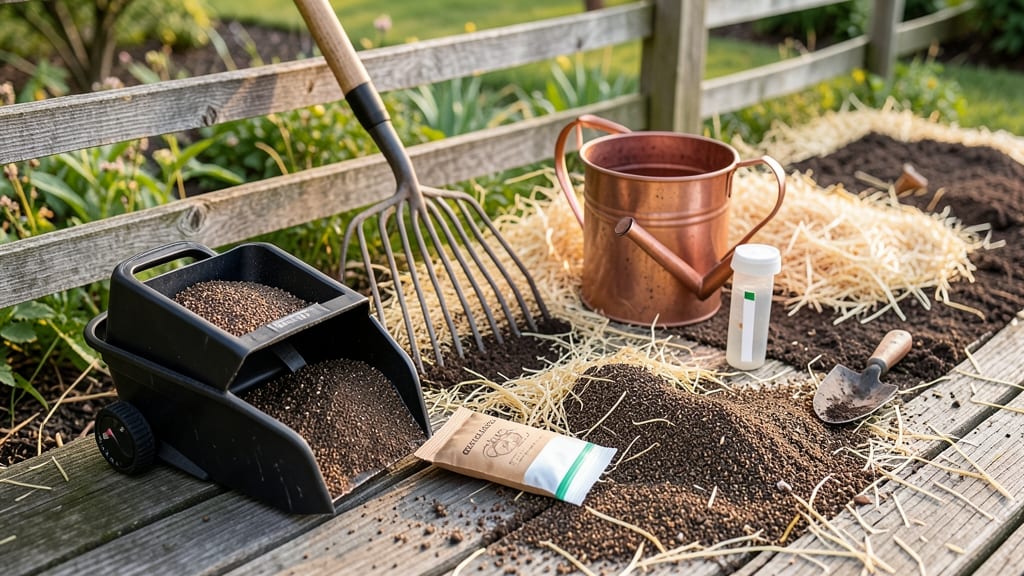
Timing your Grass Seed (Turfgrass) planting just right in fall could save you from wasted seeds and a patchy lawn next spring.
The 4-6 week window before your first frost isn't just a suggestion—it's the sweet spot where cooler temps and fewer weeds give your 🌱 new grass the perfect head start.
I've seen too many gardeners rush planting because they think "fall" means "as soon as possible." But planting too early means battling weeds, while waiting too long risks winter killing tender sprouts.
The key is understanding your local climate—whether you're in Zone 6a or further south—to lock in that ideal 55-65°F soil temperature range.
Here's the game-changer: When you plant in this optimal window, you're not just avoiding summer heat stress—you're giving your grass roots time to establish before winter. That means a thicker, greener lawn by next spring with less work from you.
Let me show you exactly how to calculate your perfect planting dates and what to do once those seeds hit the soil.
We'll cover zone-specific deadlines, soil prep secrets, and post-planting care that keeps your new grass thriving. Whether you're seeding a full yard or just patching bare spots, these insights will help you skip the guesswork and get results you'll notice by spring.
Fall grass seed planting deadlines by US hardiness zones
Timing your grass seed planting is everything—especially in the fall. The 4-6 week window before your first frost gives seeds time to germinate and establish roots before winter dormancy.
But this window shifts dramatically depending on your USDA hardiness zone, from the chilly Zone 3 to the mild Zone 10. Plant too early, and weeds will steal your lawn’s spotlight; too late, and cold soil will stall germination.
For example, in Zone 5, where first frosts often hit by mid-October, your ideal planting window is late August through early September. But in Zone 8, where frosts may not arrive until December, you can plant as late as November.
Each zone’s unique climate demands a tailored approach to avoid wasted seeds and effort.
Let’s break down the zone-specific deadlines so you can pinpoint the perfect moment for your lawn. Use this as your roadmap to avoid common mistakes and maximize germination success.
| USDA Zone | First Frost Date | Ideal Planting Window | Soil Temp Goal (°F) | Key Consideration |
|---|---|---|---|---|
| Zones 3-4 | Mid-September to early October | Late August through mid-September | 55-60°F | Short growing season; prioritize cool-season grasses |
| Zones 5-6 | Mid-October to early November | Late August through early October | 55-65°F | Balanced window; avoid late planting if soil cools early |
| Zones 7-8 | Late November to December | September through early November | 60-65°F | Longer window; monitor soil temps closely |
| Zones 9-10 | January (rare) or none | October through December | 60-70°F | Warm climates; focus on winter watering |
If you’re unsure about your first frost date, check the USDA Plant Hardiness Zone Map or use local weather data. For instance, Denver (Zone 5) typically sees its first frost around October 15, so aim to plant by September 1.
Meanwhile, Miami (Zone 11) rarely experiences frost, so you can plant grass seed year-round—but fall still offers the best conditions.
Pro tip: Use a soil thermometer ($10 at garden centers) to confirm temps are in the 55-65°F range before planting. If soil is cooler than 55°F, germination slows dramatically. In northern zones, this might mean delaying planting until late September, even if it feels early.
Regional microclimates also play a role. For example, mountainous areas in Zone 6 may frost earlier than valleys, while coastal regions in Zone 8 might stay warm longer. Adjust your timeline based on your specific location’s history—ask neighbors or check local gardening forums for insights.
Once you’ve nailed down your planting window, focus on soil prep and seed selection. Cool-season grasses like tall fescue and Kentucky bluegrass thrive in fall, while warm-season grasses like Bermuda should wait for spring. Your zone’s ideal grass type is just as critical as timing.
Remember: The goal is to give your grass 4-6 weeks of warm soil before winter slows growth. This ensures roots establish deeply, outcompeting weeds next spring. With the right zone-specific deadline, you’ll skip the guesswork and start with a head start on that dreamy green lawn.
🌱
How soil temperature dictates the perfect planting window
Soil temperature isn’t just a number—it’s the deciding factor between a lawn that thrives and one that struggles. For grass seed, the sweet spot is between 55°F and 65°F. At these temps, seeds germinate quickly, roots establish firmly, and your grass gets a head start before winter dormancy.
Below 50°F, germination slows dramatically, while above 70°F, seeds dry out faster, inviting weeds to steal the show.
Cool fall mornings and warming afternoons create ideal conditions. This temperature range typically arrives in late September in the South and early October in the North. But don’t guess—test your soil with a simple soil thermometer (insert 4 inches deep, away from direct sun).
If it’s below 55°F, wait a week or two; if it’s above 65°F, you’re likely too late for fall planting.
Regional variations matter too. In Zone 5 or colder, aim for early September planting to avoid early frosts. In Zone 8 and warmer, you might still get two weeks of germination in November.
The key is planting 4-6 weeks before your first frost date—this gives roots time to anchor deeply before winter slows growth.
🌱Pro Tip: If your soil is too cold, cover the seeded area with a lightweight straw mulch (¼ inch thick) to retain heat and moisture without smothering sprouts. This trick buys you 1-2 extra weeks of growing time in chilly climates.
If you plant too early (e.g., August in hot climates), seeds may dry out or overheat, while late planting (November in cold zones) risks frost damage before roots take hold. Use your local frost date as a backward countdown: Subtract 6 weeks, then adjust for soil temps.
For example, if your first frost is November 15, aim for early to mid-September planting.
💡Quick Fix: If your soil is too warm but you’re past the ideal window, try shade cloth (30-50% coverage) to cool the area by 5-10°F. This buys you 10-14 extra days of viable planting time in late fall.