
Plants
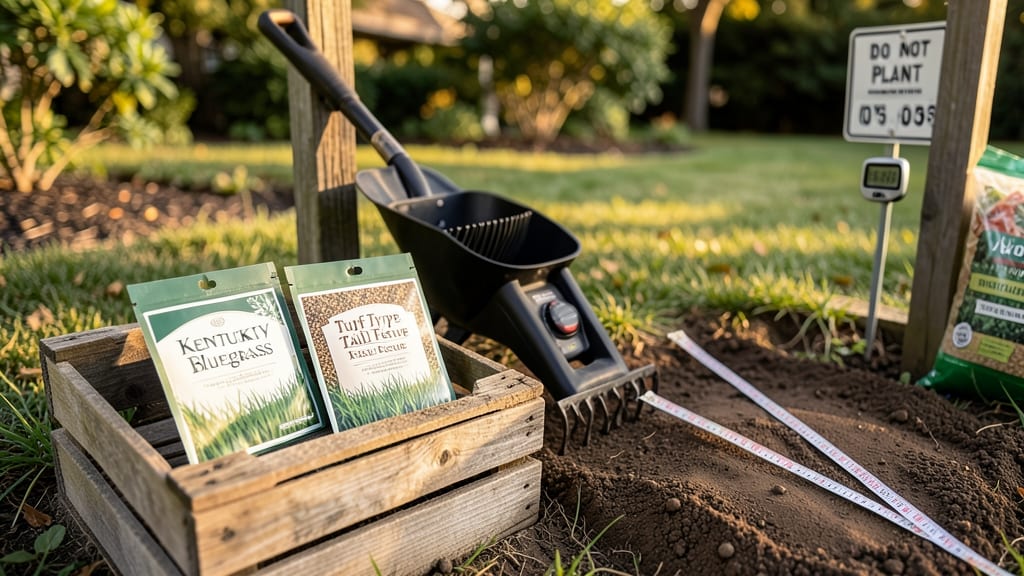
If you're staring at a bare patch in your Massachusetts lawn and wondering when it is too late to plant the grass in Massachusetts, the answer depends on timing—and it’s trickier than you think.
The late-September deadline isn’t just a random date; it’s when soil temperatures drop below 60°F, slowing germination and risking winter kill. But with the right approach, you can still establish a resilient lawn before frost sets in.
Massachusetts’ 5b-6b climate zone gives you a narrow window to work with, especially in inland areas where first frost hits by October 20. Planting 🌱 Turfgrass too late means seeds may not develop deep roots before winter, leaving your lawn vulnerable to weeds or frost heave.
The key? Choosing cold-hardy varieties like fine fescue or perennial ryegrass and preparing the soil properly.
I’ve seen too many homeowners rush into late-season planting only to watch their efforts fail—usually because they ignored soil temperature or skipped the essential steps. But don’t give up yet.
With the right seed selection, soil prep, and a little extra care, you can still turn that patchy lawn into something lush. Let’s break down exactly how to make it work.
Whether you’re in Boston, Worcester, or Western Massachusetts, the principles are the same: act fast, but smart.
By the end of this guide, you’ll know the last viable dates, the best grass types for fall planting, and how to give your new lawn the fighting chance it needs to survive the winter. Ready to get started?
Massachusetts grass planting deadlines by region and grass type
Massachusetts’ cool-season climate makes fall the ideal window for planting grass, but timing varies by region and grass type. In most areas, late September is your last safe bet—after that, frost risks and weak root growth become major concerns.
Let’s break down the critical deadlines for your specific location and grass choice.
For coastal areas (Boston, Cape Cod), the first frost often hits by October 15, so aim to plant by mid-September. Inland regions like Worcester or Western MA can wait until late September due to slightly later frosts. Always check your local frost dates—they’re your best guide.
Soil temperature is the real game-changer. Grass seeds need soil between 60-75°F to germinate. By mid-October, soil temps in MA typically drop below 55°F, slowing germination to a crawl. Use a soil thermometer to confirm—if it’s cooler, delay planting.
Here’s the hard truth: Planting after October 1st in most of MA means reduced success rates. Your grass may sprout but struggle to develop deep roots before winter, leaving it vulnerable to drought, weeds, and frost heave.
That said, with the right seed variety and care, late-September plantings can still thrive.
| Region | Last Safe Planting Date | Grass Type | Soil Temp Requirement | Risk After Deadline |
|---|---|---|---|---|
| Boston/Cape Cod | Mid-September | Kentucky Bluegrass, Fine Fescue | 60-75°F | Frost damage, weak roots |
| Worcester/Western MA | Late September | Perennial Ryegrass, Tall Fescue | 60-70°F | Slow germination, winter kill |
| All Regions | October 1st (push) | Cold-hardy blends | 55-65°F | Patchy growth, weed competition |
If you’re planting warm-season grasses (like Bermuda or Zoysia), MA’s climate isn’t ideal—they struggle in our winters. Focus on cool-season types like Kentucky Bluegrass, which thrives in fall. These grasses grow roots before dormancy, giving them a head start for spring.
Pro tip: Overseeding existing lawns in late September is safer than full replants. Spread seed over your current grass to fill thin spots—it’s a lower-risk way to extend your planting window. Just rake lightly to expose soil and keep it moist.
Don’t panic if you miss the deadline! Even October plantings can work with cold-hardy seed mixes and extra care. The key is soil prep—loosen compacted soil, add compost, and mulch with straw to insulate roots. Just know your lawn may take longer to establish.
For emergency late plantings, choose perennial ryegrass—it germinates faster than most and handles cooler temps. Pair it with fine fescue for a tough, shade-tolerant blend. And always water deeply before nightfall to prevent fungal issues.
Remember: Massachusetts weather is unpredictable. A warm October can extend your window, while an early frost can cut it short. Check the 7-day forecast and soil temps before committing—your future lawn depends on it! 🌱
Signs your late grass planting will fail (and how to fix it)
Even if you plant grass in late September, your lawn can still fail if key conditions aren’t met. The most common red flags? Shallow roots, patchy germination, and weed takeover.
These signs mean your grass isn’t establishing properly—and without intervention, your investment could go to waste. Let’s tackle the warning signals and how to salvage your late-season lawn.
First, watch for slow or uneven germination. If seeds take longer than 2-3 weeks to sprout or only appear in scattered spots, your soil might be too cold or compacted. Cold soil (below 60°F) stalls germination, while compacted soil blocks seed-to-soil contact.
Test your soil with a thermometer—if it’s under 60°F, delay planting or use a seed warmer to boost temps.
Another warning sign is thin, weak grass blades that struggle to stand upright. This usually means insufficient watering or nutrient deficiency. Grass needs 1 inch of water weekly (including rain) during establishment.
If blades fold over when you walk on them, they’re underwatered. Water deeply in the early morning to prevent fungal issues from evening moisture.
If your grass sprouts but turns brown or mushy after the first frost, it’s suffering from frost heave—roots lifting from frozen soil. To prevent this: - Mulch with straw (1/4 inch thick) to insulate roots - Avoid walking on new grass before it’s fully established - Use a frost blanket in high-risk areas (like shaded spots)
Weeds are another major red flag. If crabgrass or clover pop up before your grass fills in, they’ll outcompete your seedlings for sunlight and nutrients. Pre-emergent herbicides can help, but they’re tricky with new grass—apply only after seeds germinate (about 3 weeks post-planting).
For a natural fix, hand-pull weeds and mulch to block light.
Don’t overlook soil pH issues. If your grass grows slowly or yellows, test your soil—ideal pH for cool-season grasses is 6.0-7.0.
Amend with lime (to raise pH) or sulfur (to lower pH) 2-3 weeks before planting. Low nitrogen can also stunt growth—apply a starter fertilizer (high in phosphorus) at planting time to jumpstart root development.
For emergency fixes, try these quick actions: - Reseed bare spots with a fast-germinating blend (like perennial ryegrass) - Top-dress with compost to improve soil structure - Adjust mowing height—keep new grass at 3-4 inches to protect roots - Use a straw mulch to retain moisture and insulate roots
Remember: Late plantings aren’t failures—they’re challenges. With the right adjustments, your grass can still establish before winter. The key is acting fast when you spot issues. Monitor your lawn weekly, adjust care as needed, and don’t hesitate to reseeding problem areas.
A little extra effort now means a greener lawn next spring! 🌱