
Plants
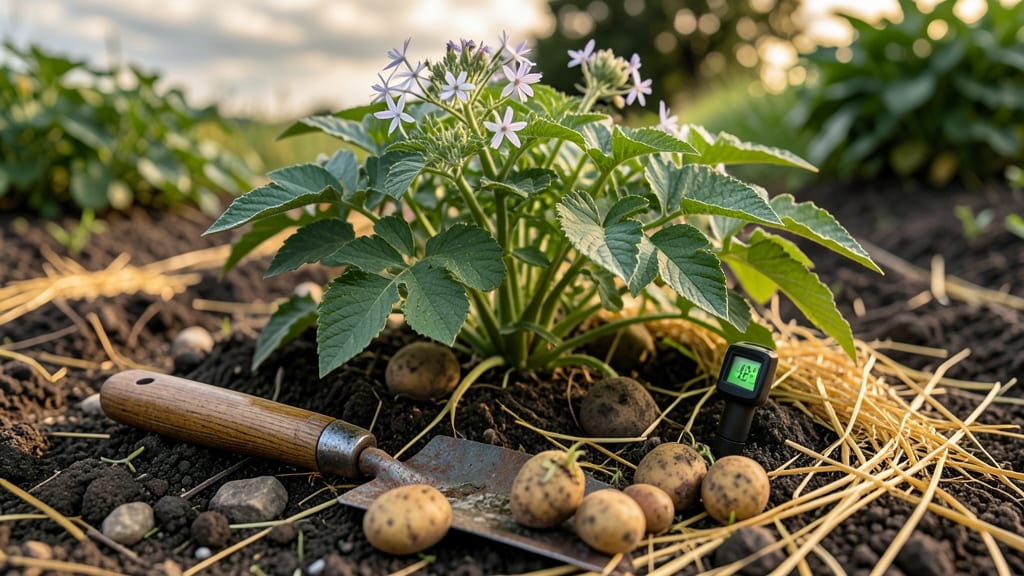
Timing when can you plant potatoes in NC isn't just about the calendar—it's about outsmarting the state's unpredictable frost patterns and soil quirks. Whether you're in the cooler 6b mountains or the milder 8a coast, planting too early risks frost damage, while waiting too long means smaller yields.
Most NC gardeners swear by the early March to April window for spring plantings, but the real secret lies in soil temperature—wait until it hits 45°F consistently. For fall harvests, August-September planting works best, giving tubers time to mature before winter sets in.
I'll break down exactly when to plant by zone, how to spot the perfect conditions, and which varieties thrive in NC's climate. You'll learn how to extend your growing season with mulching, avoid common mistakes, and even adjust for regional differences like Piedmont vs. Coastal planting times.
Ready to grow a harvest that rivals the pros? Let's dive into the frost-free timeline that'll have your 🥔 potatoes thriving all season long.
NC potato planting dates by hardiness zone (7a-8b)
North Carolina’s USDA zones 7a-8b create dramatic differences in potato planting times—from the cool mountain regions to the warmer coastal plains. Timing your seed potatoes correctly ensures strong tubers before summer heat or frost arrives.
Let’s break down the ideal planting windows for each zone, including soil temperature requirements and frost risks.
Most NC gardeners focus on spring planting (March-April), but fall planting (August-September) works in warmer zones like 8a/8b. The key is planting when soil temperatures reach 45°F+—cold soil slows germination and invites rot. Use a soil thermometer to check depth (4 inches down) before planting.
Here’s your zone-specific planting timeline, including last frost dates and harvest windows to plan ahead:
| Zone | Last Frost Date | Planting Window | Soil Temp Requirement | Harvest Window |
|---|---|---|---|---|
| 7a (Mountains) | Late April | Early April - Mid-May | 45°F+ (use black plastic mulch) | July - Early August |
| 7b (Piedmont) | Mid-April | Late March - Early May | 45°F+ (standard timing) | June - July |
| 8a (Coastal) | Early April | February - April (or August-Sept for fall) | 50°F+ (warmer soil) | May - June (or Oct-Nov for fall) |
| 8b (Southeast) | Late March | January - March (or August-Sept for fall) | 55°F+ (fast germination) | April - May (or Sept-Oct for fall) |
Notice how cooler zones (7a) have a shorter spring window and rely on black plastic mulch to warm soil faster. Meanwhile, warmer zones (8b) can plant as early as January for a spring harvest or August-September for a fall crop. This flexibility lets you stretch your harvest season!
For zone 7a gardeners, consider container growing with heat mats to extend your season. In zone 8b, you can even try succession planting every 3 weeks for continuous harvests. Always choose cold-hardy varieties like Yukon Gold or Red Pontiac for early planting.
Pro tip: Use NC State Extension’s frost maps for your exact county—frost dates shift yearly. For example, Asheville (7a) might see frost until April 15, while Wilmington (8b) rarely drops below freezing after January. Planting too early in cold soil risks rot and poor germination.
Next, we’ll cover how to adjust planting times for early vs. late varieties—including which types thrive in NC’s hot summers and how to avoid blight during peak humidity. Stay tuned!
How to adjust planting time for early vs. late potato varieties
North Carolina gardeners can extend their potato harvest by choosing the right varieties and planting at optimal times. Early varieties like Yukon Gold or Red Pontiac thrive when planted as soon as the soil reaches 45°F, often in late February or March in warmer zones (8a-8b).
These cold-tolerant types grow quickly—ready to harvest in 60-90 days—making them perfect for spring plantings.
For late varieties such as Russet or Kennebec, wait until 2-4 weeks after the last frost (typically mid-April to early May). These need 90-120 days to mature, so planting too early risks frost damage to tender foliage.
Succession planting—staggering early and late varieties—can give you a harvest from June through October.
| Variety Type | Planting Window | Days to Harvest | Best NC Zone |
|---|---|---|---|
| Early (Yukon Gold, Red Pontiac) | Late Feb - Early April | 60-90 days | 7a-8b |
| Mid-Season (Kennebec, LaSoda) | Mid-April - Early May | 90-110 days | 6b-8a |
| Late (Russet, Purple Viking) | Early May - June | 110-120 days | 7a-8a |
Cold-soil tolerance is key for early plantings. Use black plastic mulch or straw to warm the soil faster, especially in Zone 7a where frosts linger. For late varieties, focus on succession planting: sow new seed potatoes every 2-3 weeks until mid-June to ensure a continuous harvest.
Pro tip: Plant early varieties in containers if your garden soil stays cold too long. Containers warm up faster and let you start 4-6 weeks earlier than in-ground beds. Just ensure they’re at least 12 inches deep to accommodate tuber growth.
Fall planting is another strategy for NC gardeners in Zones 8a-8b. Plant seed potatoes in August for a harvest in October-November, avoiding the heat of summer. Choose early-maturing varieties like Adirondack Red or Goldrush for this window.
Remember: Soil temperature matters more than air temperature. Use a soil thermometer to confirm 45°F+ before planting. If temps fluctuate, delay until conditions stabilize to avoid rot or slow growth. 🌱