
Companion Plants
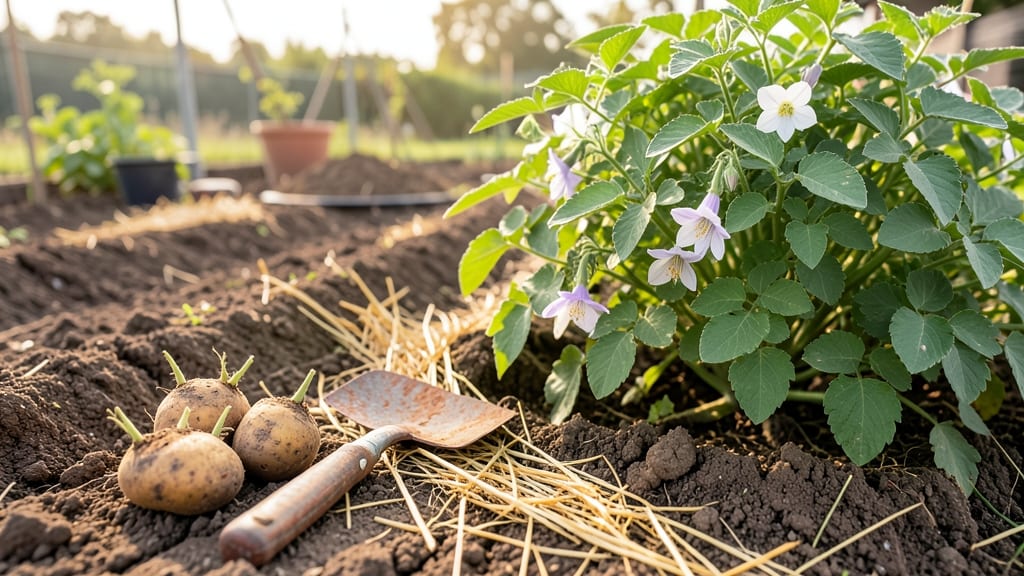
Timing when you can plant potatoes in Pennsylvania can make or break your harvest—get it wrong, and frost will turn your tender 🥔 sprouts into a sad, mushy mess.
With the state’s USDA zones 5a-7b, knowing the exact frost-free window is everything, especially when rural farms and urban backyards face different challenges.
Most gardeners in PA start planting between late March and early April, but the right time depends on your specific zone and last-frost date.
In colder areas like Pittsburgh (5a-6a), you might need to wait until after April 15, while warmer regions like Philadelphia (7a-7b) can begin as early as mid-March.
Whether you're a beginner or a seasoned grower, the key is balancing soil temperature and frost risk. Planting too early means frost damage; too late, and your harvest shrinks. I’ll break down the best strategies for your zone, plus how to adjust for early or late varieties.
Let’s dive into the frost-free deadlines that’ll help you plant with confidence—and avoid the common mistakes that waste time and effort. Ready to grow a potato patch that’ll impress even the pickiest neighbors?
Pennsylvania potato planting deadlines by hardiness Zone (5-7)
Pennsylvania’s climate spans USDA zones 5-7, meaning your last frost date can vary by 2-3 weeks from Philadelphia to Pittsburgh. Planting too early risks frost damage, while waiting too long cuts your growing season short.
Let’s break down the exact planting windows for each zone, plus regional averages to help you time it perfectly.
For Zone 5 (northern PA), like Erie or Scranton, aim to plant 2-4 weeks before your last frost—typically late March to early April.
In Zone 6 (central PA), including Harrisburg and State College, you’ve got a slightly longer window: mid-to-late March. Zone 7 (southern PA), like Lancaster or Wilmington, can start as early as late February for early varieties.
Pro tip: Use seed potatoes with sprouts (called "chits") to speed up germination in cooler zones. These pre-sprouted tubers give you a 2-week head start on growth, which is crucial in Zone 5’s shorter season.
Store them in a cool, bright spot (like a sunny windowsill) for 2-4 weeks before planting to encourage chitting.
🌱 Pennsylvania Potato Planting Deadlines by Zone
| Zone | Last Frost Date (Avg.) | Planting Window | Early Varieties | Mid Varieties | Late Varieties |
|---|---|---|---|---|---|
| 5 (Erie, Scranton) | April 15 | Late March–Early April | Yukon Gold (60-70 days) | Kennebec (80-90 days) | Russet (110-120 days) |
| 6 (Harrisburg, State College) | April 1 | Mid-to-Late March | Red Pontiac (60-70 days) | Adirondack Blue (85-95 days) | Fingerlings (100-110 days) |
| 7 (Lancaster, Wilmington) | March 15 | Late February–Early March | Sweet Potato (50-60 days) | LaRouche (80-90 days) | Purple Majesty (100-110 days) |
🌱 Note: Adjust for urban vs. rural areas—cities like Philadelphia warm up faster due to the "heat island" effect.
If you’re unsure about your exact last frost date, check the Penn State Extension’s frost calendar or use a local weather app like AccuWeather. For example, Pittsburgh’s last frost often hits April 10, while Philadelphia averages March 25.
Planting 2 weeks before these dates gives your potatoes a buffer against late frosts.
For container gardening in urban PA (like rooftop gardens in Philly), start 4-6 weeks earlier since pots warm up faster. Use black plastic pots to absorb heat and add 2 inches of straw mulch to retain warmth.
This trick can shave 10-14 days off your growing season, letting you plant as early as mid-February in Zone 7.
Remember: Soil temperature matters more than air temperature. Potatoes need 45°F soil to germinate—use a soil thermometer to confirm. If your soil is still chilly, warm it with black plastic mulch laid 1-2 weeks before planting.
This method can add 5-10°F to your soil’s warmth, making all the difference in Zone 5.
Once planted, hill your potatoes every 2-3 weeks to encourage tuber formation. In PA’s shorter seasons, this technique can boost yields by 30-40% by keeping the tubers covered and protected from light (which turns them green and toxic).
Use loose, well-draining soil with a pH of 5.0-6.5—PA’s clay-heavy soils often need compost or sand to improve drainage.
Harvest timing varies by variety: Early potatoes (like Red LaSoda) are ready in 60-70 days
How to adjust planting time for early vs. late potato varieties in PA
Not all potatoes thrive under Pennsylvania’s unpredictable spring weather. Early varieties like Red Pontiac or Yukon Gold can handle cooler soil, while late varieties such as Russet Burbank need warmer conditions to germinate.
Adjusting your planting window by 2-4 weeks based on variety ensures success—especially in USDA zones 5-7 where frost lingers longer in rural areas like Erie than in cities like Philadelphia.
For cold-hardy varieties, plant as early as late February to early March in southern PA (zones 6-7), but wait until mid-April in northern zones (5a-5b). Heat-sensitive varieties should go in the ground after soil reaches 45°F, typically late April to early May.
Use a soil thermometer to avoid guessing—potatoes won’t sprout until soil warms up!
Early vs. Late Potato Varieties: Pros & Cons
Early Varieties
- Pros: Faster harvest (60-90 days), frost-resistant
- Cons: Smaller tubers, shorter storage life
Late Varieties
- Pros: Larger yields, longer storage (up to 6 months)
- Cons: Needs warmer soil, longer growing season
Extend your growing season with row covers or cold frames to plant 4-6 weeks earlier than your last frost date. These low-cost solutions add 5-10°F of warmth, letting you grow early potatoes in March even in zone 5. Just remove covers when flowers appear to prevent overheating.
If you’re in urban PA with limited space, try container gardening. Use 5-gallon buckets or fabric grow bags—they warm up faster than soil, letting you plant 2 weeks earlier. Fill containers with well-draining mix (60% soil, 30% compost, 10% perlite) to mimic ideal growing conditions.
Pro tip: Chit your seed potatoes (sprout them indoors) 4-6 weeks before planting. This gives them a head start, so they’ll emerge faster in cool soil. Place whole potatoes in a bright, cool spot (50-60°F) and watch for 1-inch sprouts—then plant them with the sprouts facing up!
For second-crop potatoes, plant late varieties in June after your first harvest. Choose short-day varieties like Kennebec or LaRouge, which mature quickly in PA’s summer heat. Harvest before first frost (usually mid-October) to avoid bitter tubers.