
Plants
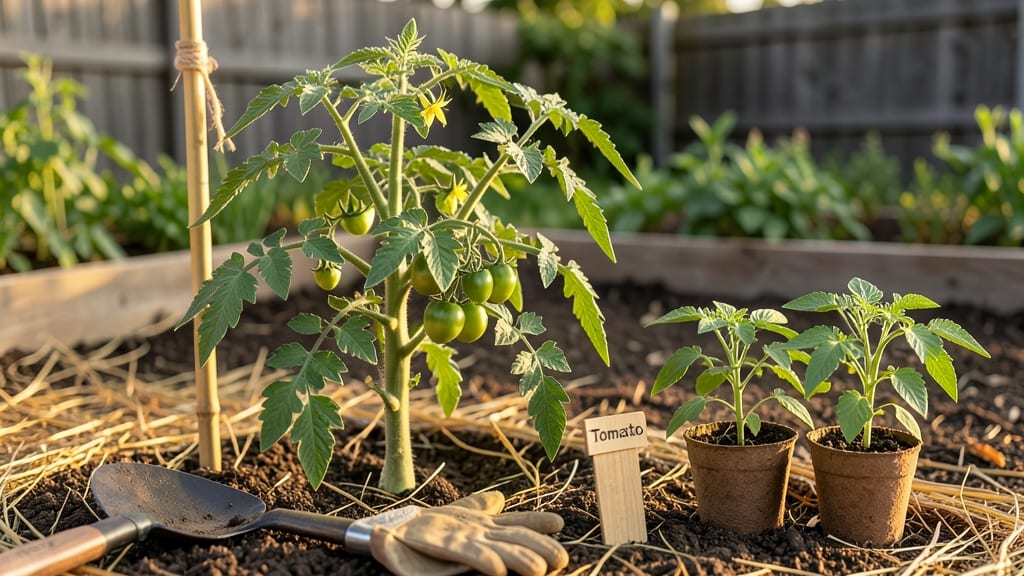
If you're asking "when can you plant tomatoes in Massachusetts", the answer isn't just about dates—it's about beating frost, warming soil, and giving your 🍅 plants the perfect head start.
Zone 5B-6B's unpredictable springs mean waiting until mid-April (or later) could spell disaster, while planting too early risks stunted growth or worse.
Here's the secret: soil temperature matters more than calendar dates. Your tomatoes won't thrive until the ground reaches at least 60°F, which typically happens between April 15 and May 15—right after the last frost.
But with Massachusetts' regional variations (think Boston vs. Cape Cod), your exact window could shift by weeks.
What if you're eager to start earlier? We'll show you how to use heat mats, row covers, and other tricks to extend your growing season—so you can plant safely as early as late March in some areas. Plus, we'll cover container gardening hacks for renters or small spaces.
By the end, you'll know not just when to plant, but how to maximize your harvest from July through October. Let's get those tomatoes growing!
Massachusetts frost dates and safe planting windows for tomatoes (zone 5B-6B)
Massachusetts’ Zone 5B-6B climate means timing is critical for tomato success. The average last frost date ranges from April 15 in southern regions to May 15 in northern areas, but soil temperature is just as important as air temperature.
Tomatoes thrive when soil reaches 60°F+, which often lags behind air warming—especially in Worcester and Springfield where cooler nights delay heating.
For Boston and Cape Cod, gardeners can push planting to mid-April if using row covers or heat mats, but northern MA (e.g., Greenfield) should wait until late May to avoid frost damage.
The frost-free window typically spans 165 days, giving you from late April to mid-October for a full harvest cycle.
Here’s how to align your planting with local microclimates and soil readiness:
| Region | Avg. Last Frost | Safe Planting Window | Soil Temp Threshold | Notes |
|---|---|---|---|---|
| Boston | April 15 | April 20–May 10 | 60°F+ | Urban heat islands warm soil faster; monitor coastal breezes. |
| Worcester | April 25 | May 1–15 | 60°F+ | Higher elevation delays warming; use black plastic mulch. |
| Springfield | May 1 | May 10–25 | 60°F+ | River valleys can be 2–3°F cooler; plant on south-facing slopes. |
| Cape Cod | April 10 | April 15–May 5 | 55°F+ (cooler coastal soils) | Salty air may stress plants; amend soil with compost. |
To verify soil readiness, bury a soil thermometer 2–3 inches deep for 3 days. If temps dip below 55°F at night, delay planting or use row covers to insulate roots.
Pro tip: Black plastic mulch can raise soil temps by 5–10°F, letting you plant 1–2 weeks earlier without risk.
For container gardening, soil warms faster, so you can plant 7–10 days earlier than in-ground. Just ensure pots have drainage holes and use a heat mat if nights stay chilly. My 5-gallon containers hit 60°F by mid-April in Boston, while in-ground soil lags until late April.
If you’re starting seeds indoors, begin 6–8 weeks before your last frost date. For Boston (April 15), that means mid-February for early varieties like 'Stupice', which matures in just 55 days. Use grow lights for 14–16 hours/day to prevent leggy seedlings.
Remember: Early planting ≠ early harvest. Tomatoes need 70–90 days to fruit, so plant too early, and you’ll lose your crop to frost. Balance risk vs. reward—I once planted too soon in Worcester and lost half my 'Mountain Merit' to a May frost.
Now, I wait for consistent 60°F soil temps and use frost cloth as a backup.
🌱
Massachusetts frost dates and safe planting windows for tomatoes (zone 5B-6B)
Massachusetts' Zone 5B-6B means your tomato planting window hinges on two critical factors: soil temperature and last frost dates. While the calendar might say "spring," your tomatoes won't thrive until the ground warms to at least 60°F—a threshold most regions hit between mid-April and early May.
But don't just guess: use a soil thermometer to confirm before planting.
Boston and coastal areas (like Cape Cod) tend to warm faster, often allowing planting by April 15, while inland zones (Worcester, Springfield) may need to wait until May 1. The key?
Monitor local forecasts and historical data—some years, a late frost can push your window back by weeks. For example, the 2021 late frost in western MA delayed planting until May 10.
Here's the golden rule: Never plant outdoors until nighttime temperatures stay above 50°F consistently. Cold snaps can kill young seedlings overnight. If you're eager to start earlier, we'll cover season-extending tricks in the next section—but first, let's break down your exact planting window by region.
Pro tip: If you're starting seeds indoors, begin 6–8 weeks before your region's last frost date. For Boston, that means late February to early March. Use grow lights to prevent leggy seedlings—natural light alone won't cut it this early in the year.
For container gardeners, timing shifts slightly. Pots warm up 3–5°F faster than garden soil, so you can plant 1–2 weeks earlier than in-ground tomatoes. Just ensure your containers have drainage holes and use heat-resistant fabric pots if nights dip below 50°F.
Remember: Harvest timing matters just as much as planting. With Massachusetts' 165 frost-free days, aim for varieties that mature in 70–80 days to avoid losing your crop to early frost. We'll dive deeper into fast-maturing varieties in the next section—plus how to protect late-season tomatoes when temps drop.