
Plants
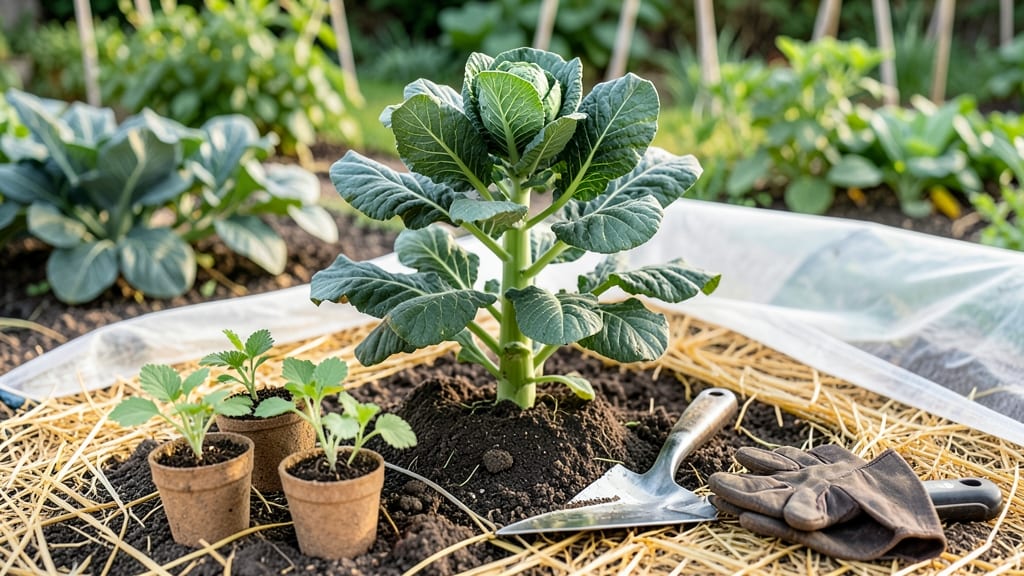
Timing your Brussel sprouts 🥦 planting in Colorado isn't just about the calendar—it's about beating the frost and maximizing your harvest before winter sets in.
With Zone 5-7 frost dates that can swing wildly from Denver to the mountains, getting it right means the difference between a bumper crop and a sad, shriveled disappointment.
Most Colorado gardeners know spring and fall are the prime windows, but the exact dates depend on whether you're starting seeds indoors or sowing directly.
Plant too early, and your tender seedlings will meet an icy fate; too late, and your sprouts won't mature before the first frost in October. The key is understanding your local frost-free timeline and adjusting for microclimates that can vary by 10-14 days even within the same county.
What if I told you there’s a 3-step strategy to extend your growing season and protect your crop from Colorado’s unpredictable weather?
From choosing cold-hardy varieties to using row covers and succession planting, these tactics can turn your fall harvest into a reliable source of fresh, homegrown Brussels sprouts—even when temperatures drop.
Let’s break down the exact planting windows, soil prep tips, and spacing tricks that work in Colorado’s climate. Whether you’re a first-time gardener or a seasoned pro, these insights will help you plan like a local and avoid the most common mistakes that waste time and effort.
Best planting windows for Brussels sprouts in Colorado Zones 5-7
Timing your Brussels sprouts planting in Colorado is all about beating the frost while giving plants enough time to mature. With Zones 5-7 and variable elevations, your last frost date can vary from early April in lower areas to late May in mountainous regions.
Aim for a 120-160 day growing season to ensure a full harvest before winter sets in.
Colorado’s two planting windows—spring and fall—work best for Brussels sprouts. Spring planting starts 8-10 weeks before your last frost, while fall planting happens 70-90 days before the first frost.
For most of Colorado, this means late March to mid-June for spring and late July to early August for fall.
Here’s how to calculate your exact planting window:
| Stage | Action | Colorado Timeline |
|---|---|---|
| Start Seeds Indoors | 8-10 weeks before last frost | February-March (Zone 5) / March (Zone 6-7) |
| Transplant Seedlings | After soil reaches 40°F (4°C) | Late April - Early May |
| Direct Sow Outdoors | Soil at 40°F (4°C), no frost risk | Late March - Mid-June (spring) / Late July - Early August (fall) |
| Harvest Window | 90-120 days after planting | October - December (fall/winter) |
For Denver (Zone 5b-6a), your last frost date is typically around April 15. This means starting seeds indoors in mid-February and transplanting by late April. In Grand Junction (Zone 7a), you can direct-sow as early as late March thanks to warmer temperatures and lower elevation.
Adjust for microclimates—sheltered spots or urban areas may warm up faster. Use a soil thermometer to confirm temperatures before planting. Cold-hardy varieties like ‘Long Island Improved’ or ‘Ruby Ball’ tolerate early frosts better, giving you flexibility in timing.
If you miss the spring window, don’t worry—fall planting is just as productive. Start seeds indoors in mid-June for a late July transplant, ensuring harvests before hard frosts in October-November. This method works especially well in higher elevations where summers are shorter.
Pro tip: Succession planting every 2-3 weeks in spring extends your harvest. For example, plant one batch in late March and another in mid-April to stagger maturity. This ensures a continuous supply of Brussels sprouts from October through December.
Always check your local Almanac frost dates or use the USDA Plant Hardiness Zone Map for precise adjustments. Colorado’s variable climate means your neighbor’s timeline might differ by weeks—soil temperature matters more than calendar dates!
Remember, Brussels sprouts thrive in cool weather. If summer temperatures exceed 80°F (27°C), growth slows, and sprouts may bolt. Fall planting avoids this heat stress entirely, making it the preferred method for many Colorado gardeners.
🥦
Best planting windows for Brussels sprouts in Colorado Zones 5-7
Colorado’s cool climate and variable frost dates demand precision when planting Brussels sprouts. Unlike heat-loving veggies, these cold-hardy crops thrive in short days and cooler temps, but timing is critical to avoid frost damage or stunted growth.
In Zones 5-7, your last spring frost typically arrives between April 15 and May 1, while the first fall frost hits around October 15—earlier at higher elevations.
For maximum yield, aim to plant Brussels sprouts in two distinct windows: late spring (April–May) and early summer (July–August). This dual-planting strategy ensures a staggered harvest before hard frosts. Soil temperature is your best guide—wait until the ground reaches at least 40°F (4°C) for direct sowing or transplanting.
🥦 Brussels Sprout Planting Timeline for Colorado
| Planting Window | USDA Zone 5-7 | Soil Temp | Days to Harvest |
|---|---|---|---|
| Early Spring (Direct Sow) | Late March–April | 40°F+ (4°C+) | 90–120 days |
| Mid-Spring (Transplant) | April–May | 45°F+ (7°C+) | 80–100 days |
| Summer (Succession) | July–August | 50°F+ (10°C+) | 85–100 days |
| Late Summer (Fall Harvest) | Early August | 55°F+ (13°C+) | 90–110 days |
💡 Pro Tip: Use a soil thermometer to confirm readiness—cold soil delays germination.
If you’re starting seeds indoors, begin 8–10 weeks before your last frost date. For Zone 5 (e.g., Denver), this means mid-February to early March. Transplant seedlings outdoors after hardening off (acclimating to outdoor temps) when nighttime temps stay above 35°F (2°C).
In higher elevations (Zone 6-7), like Colorado Springs or Fort Collins, push planting dates 1–2 weeks later to avoid early frosts.
For direct sowing, scatter seeds ½ inch deep and 1 inch apart in rows spaced 18–24 inches apart. Thin seedlings to 12–18 inches apart once they’re 3–4 inches tall.
This spacing ensures good air circulation, reducing disease risks like downy mildew, which thrives in Colorado’s humid summer nights.
Microclimates play a huge role in Colorado. South-facing slopes in Denver warm up faster, allowing earlier plantings, while valley floors (e.g., Grand Junction) may experience 10–14 days later frost dates. Use local weather data from Almanac.com or NOAA to fine-tune your schedule.
For example, Boulder’s Zone 5b might support a late-May planting, while Durango’s Zone 6a could extend harvests into early November with row covers.
Remember: Brussels sprouts need time. A 90-day variety planted in late May won’t mature until mid-August, leaving it vulnerable to fall frosts. Opt for fast-maturing varieties like ‘Long Island Improved’ (80 days) or ‘Ruby Ball’ (90 days) for reliable harvests before Colorado’s first hard freeze.