
Companion Plants
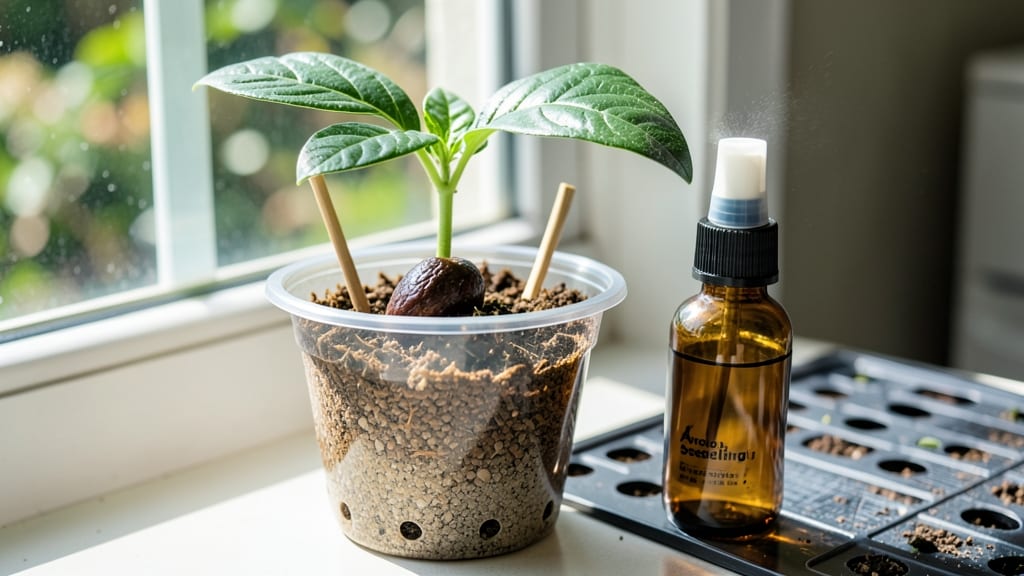
Planting your avocado seed in dirt at the wrong time can mean the difference between a thriving 🥑 tree and a sad, wilted seedling.
If you've been nurturing your seed in water and wondering when to make the big move, timing is everything—and getting it right means faster growth and stronger roots.
The key is waiting until your seedling has developed a sturdy root system and at least a few leaves, typically after 4-6 weeks in water. But don’t rush—planting too soon can drown the roots, while waiting too long risks stunted growth.
For most climates, including USDA Zone 6a, the ideal window is late spring after the last frost, usually around March-April.
Whether you’re starting indoors or outdoors, the goal is to transition your seedling into well-draining soil when it’s ready.
I’ll walk you through the exact signs to look for and how to prepare your seedling for its new home—so you can skip the guesswork and set your avocado tree up for success.
Ready to give your seedling the best shot at life? Let’s break down the science-backed steps to ensure your avocado tree grows fast and strong from day one.
Best time to plant your avocado seed in dirt for optimal growth
Avocado seeds don’t sprout in soil—they need a water-based germination phase first. The key moment to plant comes when your seedling develops 2-3 healthy leaves and 4-6 inch roots.
This usually happens 8-12 weeks after you start the seed in water. Planting too soon risks rot from damp soil, while waiting too long can stunt growth.
For indoor starters, aim to transition in spring or early summer (March-May in most climates). This gives your seedling time to establish roots before cooler weather arrives. If you’re in USDA Zone 10+, you can plant outdoors year-round, but spring is ideal for faster growth.
Outdoor planting depends on soil temperature—wait until it reaches at least 60°F (15°C). In Zone 6a, this is typically after April 15, but use a soil thermometer to confirm. Cold soil slows root growth and increases disease risk.
Your seedling’s root-to-leaf ratio is the best indicator. A healthy ratio is 2:1 roots to leaves. If roots are sparse or leaves wilt easily, delay planting another 2-4 weeks to let it strengthen. Overcrowded roots (circling the water jar) also signal readiness.
| Stage | Key Features | Planting Window |
|---|---|---|
| Early Sprout | 1-2 leaves, <2" roots | Not ready |
| Seedling Phase | 2-3 leaves, 4-6" roots | Indoors: Spring/Summer |
| Mature Seedling | 4+ leaves, 8"+ roots | Outdoors: After last frost |
Humidity plays a hidden role—high humidity (70%+) speeds up growth but can cause mold in soil. If your home is dry (<40% humidity), use a humidifier near the seedling or mist leaves daily. Outdoors, morning misting helps transition the seedling to drier air.
Regional timing varies: In Florida or California, plant outdoors in February-March; in New York or Midwest, wait until May-June. Check your last frost date (Zone 6a: April 15) and add 4-6 weeks for safety. Hardened seedlings handle cooler temps better than soft new growth.
Light exposure changes post-planting. Indoors, place your seedling near a south-facing window for 6+ hours of sunlight. Outdoors, partial shade for the first week prevents shock, then gradually move to full sun. Yellowing leaves signal too much direct sun—adjust placement immediately.
Watch for root binding in the water jar—a sign roots have filled the container. If roots circle the jar, it’s time to plant. Gently tease apart tangled roots before transplanting to encourage outward growth. This step prevents girdling, where roots strangle the stem as the tree matures.
Container-grown seedlings can stay indoors for 6-12 months before transplanting outdoors. If you’re in a short growing season (Zones 5-7), delay outdoor planting until late spring to maximize the warm season. Use a grow light in winter to maintain growth if keeping indoors.
Remember: Patience is key. Rushing the process increases failure rates, but a well-timed transplant sets your avocado seedling up for years of healthy growth. With the right timing, your seed could grow into a fruit-bearing tree in 5-13 years—worth the wait! 🌱
Best time to plant your avocado seed in dirt for optimal growth
Timing your avocado seed’s move from water to soil is all about balancing root development and environmental conditions. Your seedling is ready when it has 2-3 inches of roots and 4-6 sturdy leaves, typically after 4-6 weeks in water.
Planting too soon risks root rot from overwatering, while waiting too long can lead to stunted growth or weak roots.
For indoor starts, aim to plant in late winter to early spring (February-March) when your seedling shows these signs. If you’re planting outdoors, wait until after the last frost—usually April in USDA Zone 6a—when soil temperatures reach at least 60°F (15°C) for consistent growth.
| Development Stage | Key Signs | Best Planting Time |
|---|---|---|
| Root System | 2-3 inches of white, fibrous roots | Indoors: Feb-Mar | Outdoors: After last frost |
| Leaf Count | 4-6 large, healthy leaves | When leaves are dark green and firm |
| Environment | Soil temp ≥60°F (15°C), no frost risk | USDA Zone 6a: April 15+ |
| Light Conditions | 6+ hours of direct sunlight daily | Indoors: South-facing window | Outdoors: Full sun |
🌱 Pro Tip: Test soil temperature with a thermometer if unsure—cool soil slows root growth.
If you’re in a warmer climate (Zones 9-11), you can plant outdoors as early as January-February, but always prioritize root health over calendar dates. For indoor seedlings, transition to soil when they outgrow their water jar—usually when roots crowd the container or leaves start touching the sides.
One common mistake is rushing the transplant because of excitement! Wait until your seedling has at least 2 weeks of stable growth after developing these signs. Patience here ensures your avocado tree starts with a strong root foundation for years of healthy growth.
For fastest growth, plant your seedling in a well-draining potting mix (like cactus/succulent blend) and place it in a bright, indirect light spot for the first week. Avoid direct sunlight immediately after transplanting to prevent leaf scorch.
Remember, avocado trees are tropical plants, so they thrive in warmth and humidity. If your home is dry, consider using a humidity tray or misting leaves lightly to mimic their natural environment during the transition.