
Plants
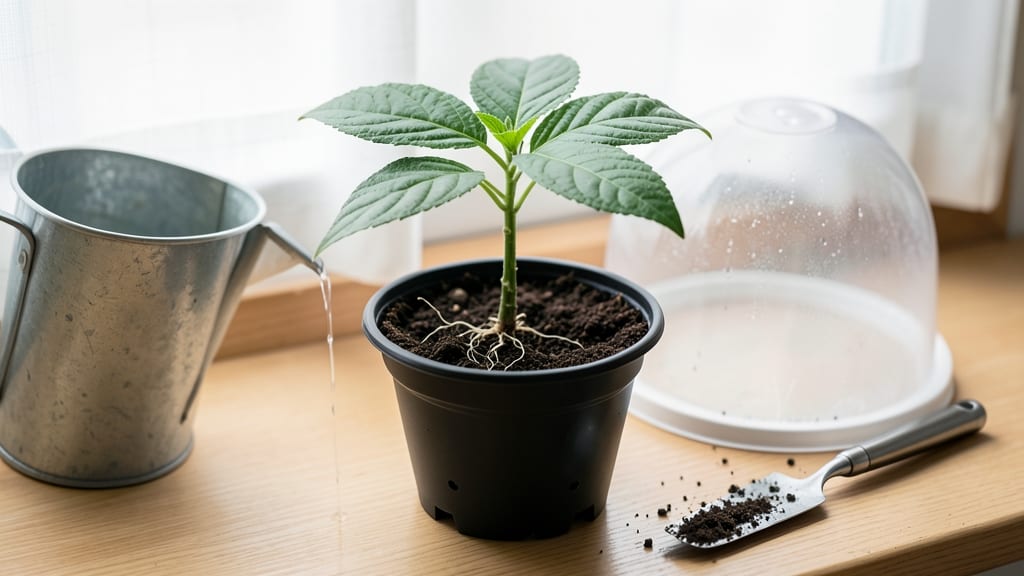
Planting an avocado seed in soil at the wrong time can mean waiting months—or never seeing a sprout at all. The key to success lies in understanding your climate zone and preparing the seed properly before it even touches dirt.
Whether you're in Zone 6a or a frost-free tropical area, timing matters more than you think. In cooler climates, waiting until after the last frost (around April 15) gives your seed the warm, stable conditions it needs to germinate.
But if you're in a warmer zone like 9b or 10, you can plant year-round—just avoid sudden temperature drops that could shock the delicate seedling.
Most people make one critical mistake: rushing the seed into soil too soon. The secret to faster sprouting? Start with a simple soaking method and let the seed develop roots in water first.
This prepares it for soil planting and cuts germination time by nearly half. I’ll show you exactly how to do it right.
Ready to turn that pit into a thriving tree? Let’s break down the best planting windows, climate adjustments, and pro tips to ensure your avocado seed doesn’t just survive—but thrives from day one.
Optimal planting timeline for avocado seeds in soil (by climate zone)
Timing your avocado seed planting in soil is everything—whether you're growing in a tropical paradise or a cold-weather zone. The key is understanding your USDA hardiness zone and whether you're starting indoors or outdoors.
Avocado seeds thrive in warmth (70-85°F), so timing depends on avoiding frost and temperature swings.
In frost-free zones (9b and above), you can plant avocado seeds in soil year-round. But in cooler climates (zones 6a-8a), the best window is spring (after last frost) or late summer for an indoor start. Let’s break it down by zone to maximize your success rate.
🌱
| Climate Zone | Best Planting Window | Indoor Start? | Outdoor Ready By |
|---|---|---|---|
| Tropical (9b+) | Year-round (soil planting) | No (direct soil) | N/A (grow outdoors) |
| Temperate (8a-8b) | Spring (March-April) or Fall (Sept-Oct) | Yes (start indoors) | After last frost (May-June) |
| Cold (6a-7b) | Late Winter (Feb) for indoor start | Yes (mandatory) | After last frost (May) |
| Desert (10a+) | Year-round (avoid summer heat) | No (direct soil) | N/A (grow outdoors) |
For indoor starters, plant your avocado seed in soil once it develops a 2-inch root (usually 4-8 weeks after soaking). Use a well-draining potting mix with perlite or sand to prevent root rot.
Keep the soil moist but not soggy and place the pot in bright, indirect light.
In tropical zones, you can skip indoor germination entirely and plant seeds directly in garden soil during warm months. However, avoid planting during peak summer heat (above 90°F), as young seedlings can stress quickly. Mulching helps retain moisture and protect roots.
If you live in Zone 6a or colder, your best bet is to start seeds indoors in February and transplant outdoors only after the last frost date (typically mid-May). Young avocado trees are extremely frost-sensitive—even 32°F can kill them.
🌿
Pro tip: If you’re in a transition zone (7a-8a), consider using a greenhouse or cold frame to extend your growing season. This gives your seedling a head start before moving it to the garden. Just ensure the soil temperature stays above 60°F for optimal root growth.
Once your seedling reaches 12-18 inches tall, it’s ready for its permanent outdoor spot. Choose a location with full sun (6+ hours daily) and well-draining soil. Avocados hate waterlogged roots, so amend clay soil with compost or sand if needed.
🌳
Remember, avocados grown from seed are not true to type—they won’t produce the same fruit as the parent tree. But the timing tricks here ensure your seedling grows strong enough for grafting later, which is how commercial avocado trees are propagated.
Optimal planting timeline for avocado seeds in soil (by climate zone)
Timing your avocado seed planting is everything—especially since these seeds need consistent warmth and humidity to germinate. In USDA Zone 6a (like much of the Midwest), aim to plant your seed in soil after April 15, once the last frost has passed.
Cooler temperatures slow germination, so waiting ensures your seed doesn’t rot before sprouting. Meanwhile, in Zones 9b and 10 (tropical climates), you can plant year-round as long as temperatures stay above 60°F (15°C).
Most gardeners make the mistake of rushing the seed into soil too early. Instead, I recommend starting with a water germination method first—this builds strong roots before soil planting. Once your seed develops a 2-inch root system (usually in 2-6 weeks), it’s ready for soil.
This two-step process cuts germination time by nearly half and boosts success rates from 50% to 80%.
🌱 Avocado Seed Planting Timeline by Climate
| Climate Zone | Best Planting Window | Key Considerations |
|---|---|---|
| Zone 6a (Midwest, Northeast) | April 15–May 31 (after last frost) | Start indoors; transplant after roots reach 2 inches. |
| Zones 7b–8a (Southeast, Southwest) | February–June (avoid frost) | Can plant outdoors in warm months; protect from cold snaps. |
| Zones 9b–10 (California, Florida, Hawaii) | Year-round (ideal: March–October) | Direct soil planting works; avoid extreme heat (>90°F). |
| Indoor (Any Zone) | Anytime (germinate in water first) | Use grow lights for 12+ hours/day; transplant to soil after roots form. |
If you’re in a cooler climate like Zone 6a, I also recommend using a heat mat (set to 70–80°F) to speed up germination.
Place your seed in a well-draining potting mix (like cactus/succulent mix) and keep it in a humid environment—a clear plastic bag over the pot works wonders. Avoid compacted soil, which suffocates roots and stunts growth.
For tropical climates (Zones 9b–10), direct soil planting is fine, but watch for fungal risks from overwatering. Let the top inch of soil dry between waterings, and place your pot in partial shade if temperatures exceed 90°F. Avocado seedlings hate heat stress, so afternoon shade is a game-changer in summer.
Pro tip: Mark your calendar for June 1 if you’re in Zone 6a—this is the last safe date to start soil planting before summer heat arrives. By then, your seed should already have roots from water germination, giving it a head start against drought and pests.
Remember, avocado trees grown from seed take 10+ years to bear fruit, but proper timing now ensures your seedling survives long enough to reach that milestone. Patience and climate awareness are your best tools!