
Companion Plants
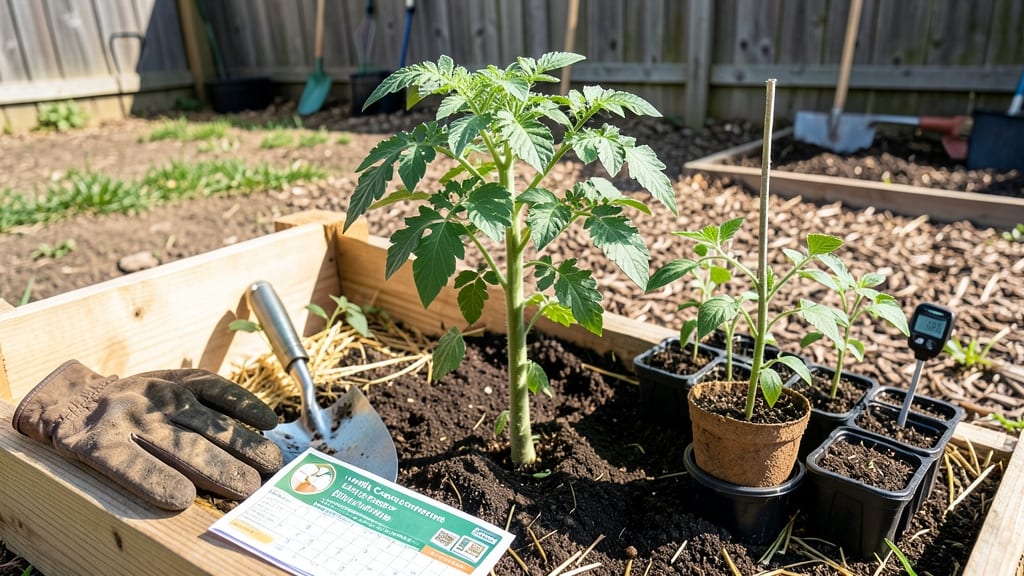
Timing when do I plant tomatoes in NC can make or break your harvest—especially when late frosts or early heatwaves lurk around every corner. One wrong move, and you could end up with wilted seedlings or underripe fruit before summer’s even halfway through.
The good news? North Carolina’s diverse climate means there’s a perfect window for every region, from the cooler Piedmont to the warmer coastal plains.
Most gardeners in zones 7a-8b should start seeds indoors by mid-March, giving them a head start before transplanting after the last frost—typically mid-April to early June. But here’s the catch: soil temperature matters just as much as calendar dates.
Planting too early when the ground is still chilly can stall growth or trigger blossom-end rot, while waiting too long risks stunted vines before peak harvest season.
I’ll break down the exact dates for your specific zone, plus pro tips to adjust for microclimates—like urban heat islands or sheltered valleys—that can shift your ideal planting window by weeks.
Whether you’re a first-time gardener or a seasoned grower, getting this right means bigger yields and fewer headaches by summer.
Ready to sync your planting with North Carolina’s rhythm? Let’s dive into the zone-specific calendar that’ll have your 🍅 thriving from June to October—and maybe even beyond.
North Carolina planting zones: when to start tomatoes indoors vs outdoors
North Carolina's diverse climate—from the cool mountain regions of the west to the humid coastal plains—means tomato planting timing varies dramatically. The key is aligning your schedule with your USDA zone and last frost dates, which can differ by weeks between Asheville and Wilmington.
For most of NC (zones 7a-8b), aim to plant outdoors 2-4 weeks after your average last frost, but soil temperature matters more than calendar dates.
If you're starting seeds indoors, begin 8-10 weeks before transplanting outdoors. For zone 7a (western NC), that’s typically mid-February to early March, while zone 8b (coastal areas) can wait until late March.
Use a seedling heat mat to speed germination in cooler zones—tomato seeds need 70-85°F soil to sprout reliably. My go-to rule: Don’t rush seedlings. Stunted plants struggle to recover after transplant shock.
Outdoor planting windows open when nighttime temps stay above 50°F consistently and soil reaches 60°F at 4 inches deep. Use a soil thermometer—this is non-negotiable. In zone 7a, that’s usually mid-April to early May, while zone 8b gardeners can plant as early as late March.
Pro tip: Coastal areas often see earlier last frosts (late February), but their warmer soils allow earlier outdoor planting than inland zones.
| NC Zone | Indoor Start Date | Outdoor Planting Window | Soil Temp Requirement | Last Frost Date |
|---|---|---|---|---|
| 7a (Mountains) | Mid-February to early March | Mid-April to early May | 60°F+ (4" deep) | April 15 (varies) |
| 7b (Piedmont) | Late February to early March | Late April to early May | 60°F+ (4" deep) | April 1 (varies) |
| 8a (Coastal) | Late March | Early April to mid-May | 60°F+ (4" deep) | March 15 (earlier) |
| 8b (Southeast NC) | Early April | Late March to early April | 60°F+ (4" deep) | March 1 (earliest) |
*Adjust dates 1-2 weeks earlier for microclimates (e.g., urban heat islands) or later for high-elevation areas.
Microclimates complicate things further. Urban areas like Raleigh or Charlotte often experience urban heat islands, where pavement and buildings trap warmth. This can push your outdoor planting window 1-2 weeks earlier than rural zones.
Conversely, high-elevation gardens (e.g., Asheville or Boone) may need to wait until May 1 or later. Always monitor local weather forecasts for extended cold snaps—a single 28°F night can kill young plants.
For coastal NC gardeners, humidity and fungal diseases (like early blight) are bigger threats than frost. Space plants 18-24 inches apart and use drip irrigation to keep foliage dry. Inland zones should prioritize blossom-end rot prevention by maintaining even moisture—calcium supplements help, but consistent watering is critical.
My personal trick: Mulch with straw or shredded leaves to stabilize soil temps and reduce evaporation.
Don’t forget about succession planting! In zones 8a-8b, you can often squeeze in two harvests: one in early summer and another in fall. Start a second batch of seeds indoors in late June for a September-October harvest.
Just be prepared to protect seedlings with row covers if a September frost threatens. Coastal areas may even get a third harvest if you’re bold!
Use these NC State Extension resources to refine your timing:
- NC State Extension Planting Calendar
-
Optimal tomato varieties for NC climates: heat-tolerant vs early-maturing choices
North Carolina’s climate varies dramatically from the cool mountain valleys of the western region to the humid coastal plains in the east. This diversity means your tomato choices should match your zone’s heat tolerance and growing season length.
For example, Zone 7a gardeners in the mountains need early-maturing varieties to avoid early frosts, while Zone 8b growers in the coastal plains can thrive with heat-resistant types that handle summer’s intensity.
I’ve curated a list of top-performing tomato varieties tailored to NC’s zones, ensuring you pick the right fit for your microclimate. Whether you’re battling 90°F+ heatwaves or short growing seasons, these varieties will maximize your harvest potential. Let’s dive into the best options for your region.
🌱
Variety Type Days to Maturity Best For NC Zones Stupice Cherry 50-55 days Early harvest, cool zones 5a-7a Mountain Merit Beefsteak 65-70 days Disease-resistant, cool climates 5a-7b Celebrity Slicing 70-75 days Heat-tolerant, reliable 6a-8b Solar Fire Cherry 60-65 days Extreme heat tolerance 7a-8b Arkansas Traveler Slicing 75-80 days Humid climates, disease-resistant 6a-8a Black Krim Heirloom 80-85 days Long season, rich flavor 7a-8b For cooler zones (5a-7a), prioritize early-maturing varieties like Stupice or Mountain Merit to beat the first frost. These tomatoes reach maturity in 50-70 days, giving you a head start.
In contrast, warmer zones (7b-8b) can handle heat-tolerant picks like Solar Fire or Celebrity, which thrive even when temperatures climb above 90°F.
If you’re in a transition zone (6a-7a), consider succession planting—staggering your plantings every 2-3 weeks in early spring and late summer. This extends your harvest window from June to October (or even November in coastal areas).
For instance, plant Mountain Merit in early April for a summer harvest, then follow up with Celebrity in late June for a fall crop.
Pro tip: Always check the days to maturity on seed packets and count backward from your average first frost date. This ensures your tomatoes ripen before cold snaps hit. For example, if your first frost is November 15, a 70-day variety should