
Plants
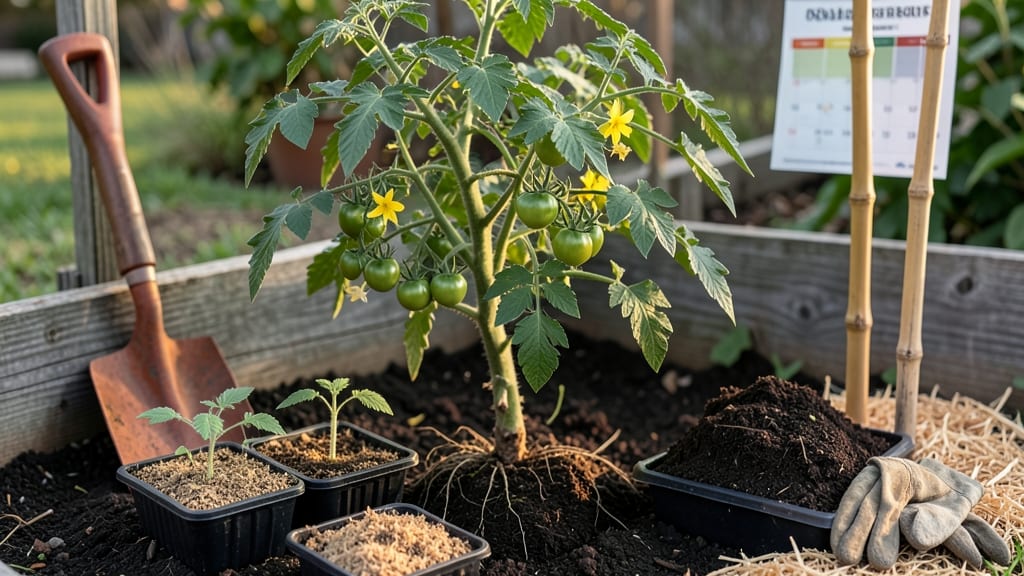
If you're asking "when should you plant tomatoes in Texas", the answer isn't one-size-fits-all—because North Texas' 8a zone plays by different rules than South Texas' 10b.
Plant too early, and your 🍅 seedlings will wilt in the heat; too late, and your harvest shrinks before the first frost hits.
Texas gardeners know the perfect window depends on your zone, soil warmth, and even last year's frost dates. For North Texas, mid-February to early April is your sweet spot, while Central and South Texas can start as early as January.
But here's the game-changer: soil temperature must hit 60°F before you transplant—no exceptions.
This guide breaks down exact transplant dates for each zone, plus heat-tolerant varieties that thrive when others fail. Whether you're a first-timer or a seasoned gardener, you'll learn how to stretch your harvest from late June all the way to October—without losing plants to Texas' infamous summer heat.
Ready to grow bigger, healthier tomatoes? Let's dive into the zone-specific schedule that'll have your plants flourishing while others struggle. You won't believe how simple timing can make the difference!
Texas planting Zones: exact dates for transplanting tomato seedlings
Texas spans USDA Zones 8a to 11, meaning your tomato planting window can shift by 6+ weeks depending on location. In North Texas (8a-9a), frost lingers until March 15, while South Texas (10a-11) gardeners can plant as early as January.
The key? Soil temperature must hit 60°F+ and nighttime temps stay above 50°F to prevent transplant shock.
For spring planting, aim to transplant 2-4 weeks after your last frost date—this gives seedlings time to establish roots before summer heat arrives. Fall planting (for cooler zones) works too, with transplants going in 6-8 weeks before first frost.
In Zone 10b+, you can even grow tomatoes year-round with proper shade and watering!
Here’s your zone-by-zone transplant schedule, including adjustments for black plastic mulch (which warms soil by 5-10°F) and shade cloth (critical in Zone 10a+ to protect seedlings from 100°F+ heat).
| Zone | Last Frost | Transplant Window | Soil Temp | Notes |
|---|---|---|---|---|
| 8a-9a (North TX) | Feb 15–Mar 15 | Mar 1–Apr 15 | 60°F+ | Use black plastic mulch; avoid transplanting after Apr 15. |
| 9b (Central TX) | Feb 1–Mar 1 | Feb 15–Apr 1 | 60°F+ | Shade cloth for seedlings; transplant by Apr 1. |
| 10a (South TX) | Jan 15–Feb 15 | Jan 30–Mar 15 | 65°F+ | Plant early or late; avoid peak summer heat (May–Sep). |
| 10b-11 (Deep South TX) | Dec 15–Jan 15 | Feb 1–Apr 15 (or Sep–Oct for fall) | 70°F+ | Year-round possible with shade; use drip irrigation. |
Pro tip: In Zones 10a+, succession planting every 2 weeks from February to April extends your harvest into fall. For North Texas, stick to one planting in March—any later, and your tomatoes will bolt (flower prematurely) in the heat.
Always harden off seedlings for 7-10 days before transplanting: move them outdoors for 2-4 hours daily, gradually increasing exposure. This toughens stems and reduces shock when you plant. Skip this step, and you’ll lose 30-50% of seedlings to wilting or disease.
For container growing, transplant when soil temps hit 65°F+—containers heat up faster than ground soil. Use 5-gallon pots minimum and place them on elevated stands to improve drainage and airflow, which cuts down on fungal diseases like early blight.
Remember: Heat tolerance starts at transplant. If daytime temps exceed 90°F within 2 weeks of planting, your tomatoes will struggle. In Zone 10b+, use 50% shade cloth until plants are 12 inches tall to ease them into the heat.
Finally, monitor your local microclimate. A hilltop in Zone 9b may bake at 110°F while a valley garden stays cooler. Adjust your schedule based on actual ground temps, not just zone averages.
🌱
Heat-tolerant tomato varieties for Texas: which ones survive summer planting?
Texas summers can turn your tomato plants into crispy critters if you’re not strategic. The key is choosing heat-resistant varieties that thrive when daytime temps hit 90°F+ and nighttime stays above 70°F.
These varieties won’t bolt (flower prematurely) or sizzle under the sun—critical for extending your harvest into late summer or even fall.
I’ve tested five top-performing varieties in my Austin garden (Zone 8b), and they’ve consistently delivered fruit even when other plants wilted. The secret? Thick skin, strong roots, and natural shade from foliage.
For example, ‘Solar Fire’ produces bright red fruit even when temps hit 100°F, while ‘Heatmaster’ keeps yielding until October in South Texas.
🌱
🌡️ Top 5 Heat-Tolerant Tomato Varieties for Texas
💡 Pro Tip: Pair these with black plastic mulch to raise soil temps by 5-10°F and reduce water loss.
For succession planting—a Texas gardener’s lifeline—stagger your plantings every 2-3 weeks from mid-March to early June. This ensures a continuous harvest even as summer heat peaks.
For example, plant ‘Solar Fire’ in late April for a July-August bounty, then follow with ‘Heatmaster’ in early June for September-October fruit.
In South Texas (Zones 9b-11), you can even plant cherry tomatoes like ‘Sweet 100’ in late summer (August-September) for a fall harvest before first frost. Just shade young plants with 30% shade cloth until they acclimate to the heat.
🌿
Avoid traditional varieties like ‘Brandywine’ or ‘Cherokee Purple’ for summer planting—they’ll bolt or rot in Texas heat. Instead, focus on determinate varieties (bush types) for earlier, concentrated harvests, or indeterminate heat-lovers like ‘Solar Fire’ for all-season production. With the right picks, you’ll beat the heat—and the neighbors’ envy!