
Plants
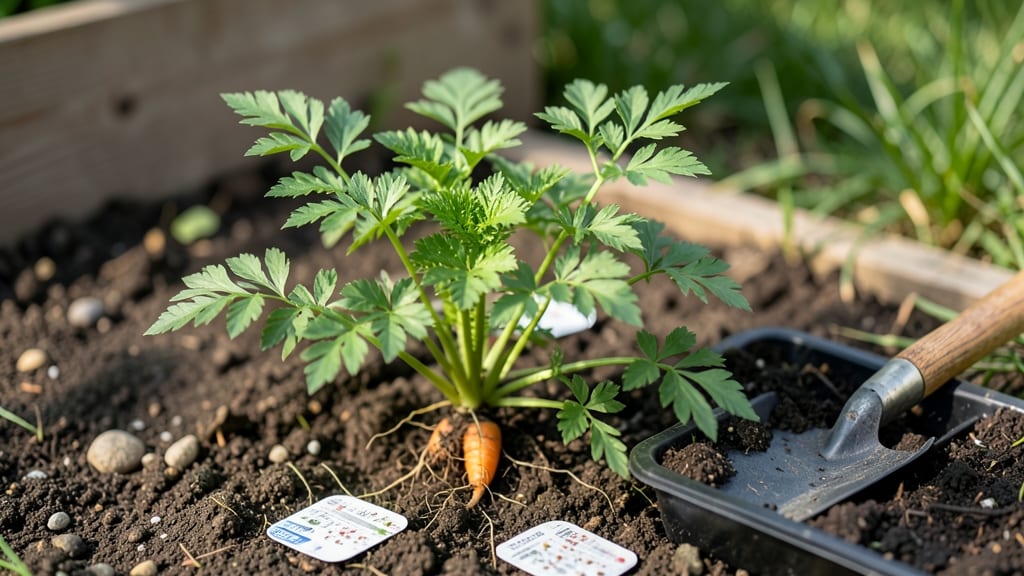
Planting carrots in Texas isn’t just about dropping seeds in the dirt—it’s about mastering the perfect timing to outsmart the heat and avoid bolting.
Whether you're in North Texas or down in the Rio Grande Valley, getting the window right means the difference between a bountiful harvest of sweet, crisp 🥕 and a sad, forked disappointment.
Most Texas gardeners focus on fall planting because the cooler weather gives carrots the ideal conditions to grow without bolting. But did you know spring planting can work too—if you know the tricks?
I’ll break down exactly when to plant in your specific region, from the Hill Country to the Gulf Coast, so you can plan ahead for a reliable harvest every season.
We’ll also tackle the biggest challenges Texas gardeners face, like heat stress and soil issues, and share the best carrot varieties that thrive in our unique climate. Whether you’re a beginner or a seasoned grower, these insights will help you grow better carrots with less guesswork and more success.
Ready to transform your garden? Let’s dive into the exact planting calendar that works for Texas, so you can enjoy homegrown carrots from fall through spring—no matter where you live in the Lone Star State.
Texas carrot planting calendar: best fall planting times by region
Texas' diverse climate means fall planting is your golden ticket for sweet, crisp carrots. Unlike spring, fall offers cooler soil temperatures and longer daylight—ideal conditions for carrot growth. But timing varies drastically from North Texas to South Texas, where frost dates shift by months.
The key to success? Plant when soil temps hover between 60°F and 75°F—too hot, and carrots bolt; too cold, and growth stalls. In Texas, this window typically opens in late July to early August for most regions, but let's break it down by zone to avoid common mistakes.
Here’s your region-specific planting calendar, including last frost dates, soil temperature thresholds, and harvest timelines to maximize your yield:
| Region | Optimal Planting Window | Soil Temp Threshold | Last Frost Date | Harvest Time |
|---|---|---|---|---|
| North Texas (USDA 7b-8a) | Late July - Early August | 60°F - 75°F | Mid-December | October - December |
| Central Texas (USDA 8a-8b) | Early August - Mid-August | 65°F - 75°F | Early January | September - January |
| South Texas (USDA 9a-10a) | Mid-August - Early September | 70°F - 80°F | Mid-December | October - February |
Pro tip: Use a soil thermometer to confirm temps before planting. In North Texas, aim for late July to avoid early heat spikes, while South Texas gardeners can push planting into early September thanks to milder winters.
Always plant 4-6 weeks before your first frost to ensure a full harvest cycle.
For succession planting, sow seeds every 2-3 weeks until mid-September. This staggered approach ensures a steady supply of fresh carrots throughout fall and early winter. Just remember: shallow soil (less than 12 inches deep) can limit root growth, so amend with compost before planting.
One common mistake? Waiting until October to plant. By then, days shorten, and carrots struggle to mature before frost. Fall-planted carrots in Texas should reach harvest size before temperatures dip below 40°F.
If you’re in a cooler microclimate (like the Texas Hill Country), start even earlier—late June to early July—to extend your growing season.
Mulch heavily with straw or leaves after planting to insulate roots and retain moisture. This is especially critical in dry West Texas, where soil can dry out quickly.
Pair your carrots with companion plants like leeks or onions to deter pests like carrot flies, a common nuisance in Texas gardens.
Finally, prioritize loose, rocky-free soil. Texas clay can cause forked carrots, so mix in sand or peat moss if your soil is heavy. Test your soil’s pH—aim for 6.0 to 7.0—and adjust with lime if needed.
With the right timing and prep, your fall carrot harvest could be the best of the year!
Spring carrot planting in Texas: risks, solutions, and the right approach
Spring planting for carrots in Texas is a gamble—unless you know the tricks. While most gardeners focus on fall, spring can actually work if you time it right and prepare your garden for the heat.
The key is to plant early enough to avoid the brutal summer months, but not so early that your seeds rot in cold soil. In Texas, this means starting seeds indoors or sowing directly in the garden during February to early March, depending on your region.
One of the biggest risks is bolting, where carrots send up flower stalks and become bitter. Texas’s rapid warming in spring can trigger this, especially if your plants experience temperature swings.
To prevent it, choose fast-maturing varieties (like 'Early Nantes') and provide afternoon shade with a lightweight row cover or shade cloth. This small step can make the difference between a thriving crop and a failed attempt.
Another challenge is the soil temperature. Carrot seeds need soil that’s at least 50°F to germinate, but they’ll bolt if it gets too hot too quickly. In North Texas, aim for late February to early March, while Central and South Texas gardeners can start slightly earlier, around mid-February.
Always check your soil temperature with a thermometer—it’s the best way to avoid surprises.
Avoid planting carrots in Texas after mid-April—the heat will cause bolting and poor root development. If you miss this window, wait for fall planting instead.
If you’re eager for a spring harvest, consider succession planting. Start with a small batch in early February, then sow another round in late February or early March. This staggered approach gives you a longer harvest window and reduces the risk of losing everything to heat.
Just be sure to keep the soil consistently moist—carrots need 1 inch of water per week, but avoid overhead watering to prevent fungal diseases.
For container gardeners, spring planting is even more manageable. Use deep pots (at least 12 inches deep) filled with loose, well-draining soil. Place them in a spot that gets full sun in the morning but shade in the afternoon.
This setup mimics the ideal conditions for carrots while protecting them from the worst of the Texas heat. With the right variety and care, you can enjoy homegrown carrots as early as late April or early May.
Don’t let the risks deter you—spring planting can be rewarding if you plan ahead. The key is to act quickly, choose the right varieties, and stay vigilant about soil temperature and moisture.
With these strategies, you’ll be well on your way to a successful spring harvest, even in Texas’s unpredictable climate. 🌱