
Plants
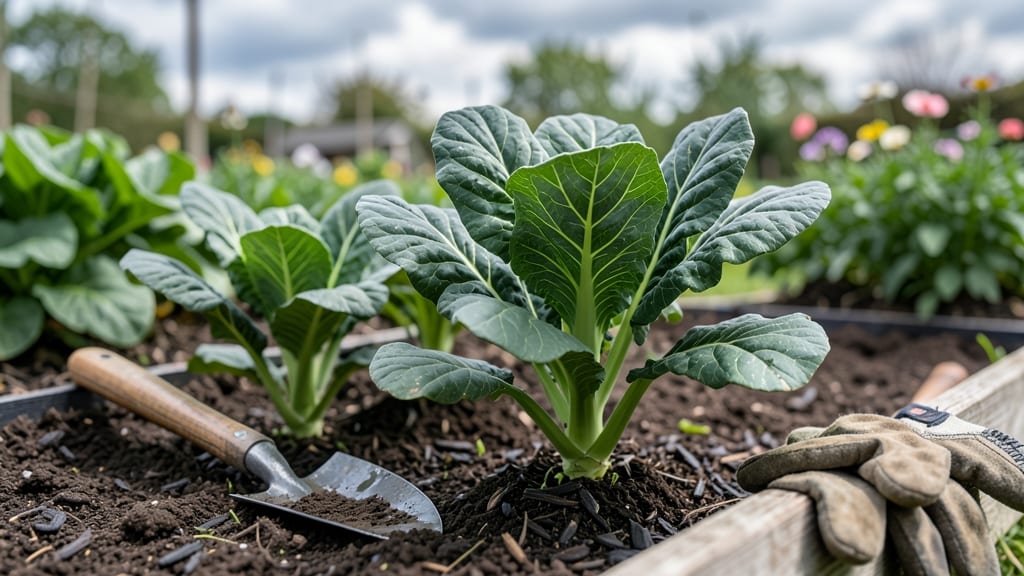
Planting collards in Georgia isn’t just about dropping seeds in the dirt—it’s about timing your harvest to beat the frost and stretch your greens through winter.
Whether you're in the cooler Piedmont or the milder Coastal Plain, getting those 🥬 seedlings in the ground at the right moment means the difference between a bumper crop and a sad, wilted disappointment.
Most Georgia gardeners know fall is prime time, but did you know the best window actually starts in late August? That’s when soil stays warm enough for strong roots before temperatures dip.
Spring planting? Don’t wait until March 15—you’ll miss the boat. I’ll show you exactly when to plant for each zone, so your collards thrive from October through December (or even into spring).
The key to fast growth in Georgia’s climate is understanding your microclimate. Coastal areas can handle winter crops year-round, while Piedmont gardeners need to time it just right to avoid early frosts.
With the right strategy, you can enjoy fresh 🥬 leaves for months—no more store-bought greens when your garden’s ready to shine.
Ready to grow collards that outlast the frost? Let’s break down the exact planting schedule, frost dates, and pro tips to keep your harvest going strong. Your taste buds (and wallet) will thank you.
Georgia collard planting calendar by frost dates and regions
Georgia’s diverse climate—from the mountains of North Georgia to the Coastal Plain’s warmth—means your collard planting window varies dramatically. In Zone 7b, frost can arrive as early as November 15, while Zone 9a gardeners might see frost by December 15 or not at all.
To maximize your harvest, align your planting with these regional frost dates and microclimates.
For North Georgia (Zone 7b), aim to plant collards 4-6 weeks before the first frost—typically late August to early September for a fall harvest. Central Georgia (Zone 8a) has more flexibility, with ideal planting dates stretching from mid-August to mid-October.
Meanwhile, South Georgia (Zone 9a) can plant collards as late as October and even enjoy winter harvests with protection.
Spring planting is equally critical. In Zone 7b, wait until March 15 (after the last frost), while Zone 8a and Zone 9a can start as early as February. This timing ensures your collards mature before summer’s heat stresses them.
Pro tip: Use succession planting—sow seeds every 2-3 weeks from August through October—to enjoy a continuous harvest. This works especially well in warmer zones (8a-9a), where collards thrive even into winter.
🌱
| Region | USDA Zone | Fall Planting Window | Spring Planting Window | First Frost |
|---|---|---|---|---|
| North Georgia | 7b | Late Aug - Early Sept | After March 15 | Nov 15 |
| Central Georgia | 8a | Mid-Aug - Mid-Oct | After Feb 15 | Dec 1 |
| South Georgia | 9a | Late Aug - Oct | After Jan 15 | Dec 15 |
If you’re in a warmer microclimate (like near the coast or in a sheltered valley), you can push planting dates 2-3 weeks later. For example, Savannah gardeners (Zone 8a) might plant collards in early October and still enjoy harvests through winter.
For high-altitude areas (e.g., Blue Ridge Mountains), plant 4-6 weeks earlier to account for colder microclimates. Monitor local weather forecasts and adjust your timeline accordingly—frost can sneak in early in these zones.
🌿
To ensure your collards thrive, choose cold-hardy varieties like ‘Georgia Southern’ or ‘Top Bunch’, which tolerate light frosts. Pair this with well-draining soil (pH 6.0-7.0) and full sun exposure to set your plants up for success.
💧
Remember: Succession planting is key for a continuous harvest. By staggering plantings every 2-3 weeks, you’ll enjoy fresh collards from fall through spring—even in Georgia’s mildest winters.
Georgia collard planting calendar by frost dates and regions
Georgia’s three distinct climate zones mean your collard planting schedule should change depending on whether you’re in the Piedmont (Zone 7b), Central region (Zone 8a), or Coastal Plain (Zone 9a). The key to success?
Planting 4-6 weeks before your first frost—this ensures your greens mature before temperatures dip below 25°F. For most of Georgia, that means starting seeds indoors in late July to early August or direct-sowing outdoors in August-September.
Spring planting is trickier—wait until after your last frost date (typically March 15 in Zone 7b or February 15 in Zone 9a) to avoid stunted growth. If you miss that window, don’t panic: succession planting every 2-3 weeks in early spring will give you a staggered harvest through May.
Here’s your region-specific planting timeline, including frost dates and ideal windows for maximum yield:
For spring planting, aim for March–April in colder zones or February–March in warmer areas. If you’re in Zone 9a, you can even plant a winter crop in December—just use row covers to protect tender seedlings. The goal? A continuous harvest from fall through spring without gaps.
Don’t overlook succession planting. In Georgia’s mild winters, collards can keep producing if you add new seedlings every 3 weeks starting in late summer. This ensures your kitchen never runs out of fresh greens—no more sad grocery store trips when your garden’s ready to shine.
One last tip: Soil temperature matters. Collards thrive when soil is 60–85°F. Use a soil thermometer to check—if it’s below 55°F, wait a week or two. Warm soil = faster germination and stronger roots.