
Plants
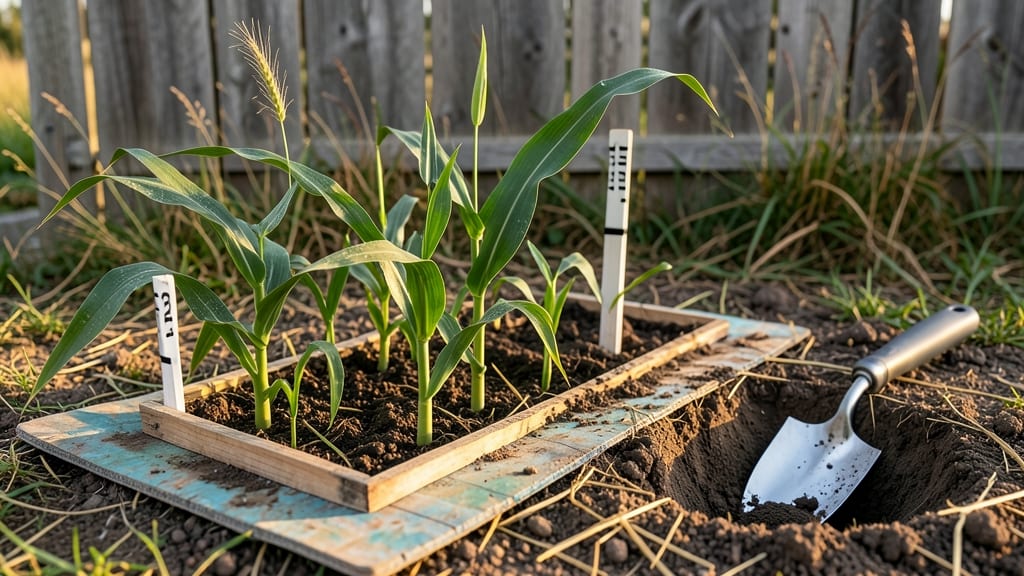
Timing your corn planting in South Carolina isn't just about throwing seeds in the ground—it's the key to avoiding frost-killed disappointment and maximizing your harvest.
With the state's diverse climate zones, knowing the exact frost-free windows between mid-March and early April can mean the difference between a thriving 🌽 crop and wasted effort.
For gardeners in zones 7b-8a, the ideal window opens in mid-April and closes by mid-May, but coastal areas may need to wait until late April due to lingering cold snaps.
This isn't just about dates—it's about soil temperatures reaching at least 60°F, which signals it's finally safe to plant.
You might wonder why this matters so much—because corn is a summer crop that needs 210 frost-free days to mature properly. Planting too early risks frost damage, while waiting too long can squeeze your harvest into fall's cooler months.
Let's break down the zone-specific strategies that work for South Carolina's unique climate.
Whether you're growing sweet corn for summer meals or dent corn for fall storage, understanding these timing nuances will help you discover the perfect planting schedule. I'll walk you through everything from soil prep to succession planting techniques that extend your harvest season.
South Carolina planting zones and frost-free weeks for corn
South Carolina’s diverse climate—from the humid Lowcountry to the cooler Upstate—means corn planting windows vary dramatically by zone. The state spans USDA zones 7b through 8b, with frost-free periods ranging from 180 to 240 days.
For corn, which thrives in warm soil, timing is everything: plant too early, and frost will kill seedlings; too late, and your harvest shrinks before winter. Let’s break down the exact frost-free windows for each region and when to plant for a successful crop.
Coastal areas like Charleston and Myrtle Beach (zone 8a) enjoy longer growing seasons with last frosts typically around March 15–April 1. Inland zones like Columbia (7b) and Greenville (7a) see later last frosts (April 1–15) and earlier first frosts (November 15–December 1).
The Upstate, including Spartanburg (7a), has the shortest frost-free window, demanding precise planting dates to avoid frost damage.
Here’s the critical rule: Wait until soil temperatures consistently reach 50°F (10°C) at a 4-inch depth—corn seeds won’t sprout below this. Use a soil thermometer to confirm, as air temperature can mislead you.
In most of SC, this happens 2–4 weeks after the last frost date, depending on the zone.
For sweet corn varieties (like Silver Queen or Peaches and Cream), aim to plant 4–6 weeks before your area’s last frost date.
These varieties mature faster (60–75 days) and can tolerate cooler soils better than dent corn (e.g., Country Gentleman), which needs warmer soil and longer growing seasons (90–110 days).
| Zone | Last Frost Date | First Frost Date | Ideal Planting Window | Frost-Free Days |
|---|---|---|---|---|
| Coastal (8a) | March 15–April 1 | November 15–December 1 | Late March–Early April | 220–240 |
| Midlands (7b) | April 1–15 | November 1–15 | Mid-April–Early May | 190–210 |
| Upstate (7a) | April 15–May 1 | October 30–November 15 | Late April–Mid-May | 180–200 |
If you’re growing sweet corn, consider succession planting every 2 weeks after your initial planting to stretch your harvest. For example, in Charleston (zone 8a), you might plant your first batch in late March, followed by April 15 and May 1 for staggered harvests through July.
This works best for short-season varieties like ‘Early Sunglow’ (65 days) or ‘Bodacious’ (70 days).
For dent corn (used for hominy or animal feed), plant later in the season—May 15–June 1—to ensure kernels mature before frost. Varieties like ‘Pioneer Brand 33B15’ (105 days) or ‘Golden Bantam’ (80 days) are well-suited for SC’s climate.
These types need warmer soil and longer daylight to develop properly, so avoid planting them before May 1 in most zones.
Pro tip: Use a planting calendar or local extension service (like Clemson’s) for real-time updates. Weather patterns shift yearly—what worked in 2023 might not align with 2024’s frost dates.
For example, the 2022 late frost in April caught many gardeners off guard, delaying planting by weeks. Stay flexible and monitor forecasts closely.
Remember, corn is a heavy feeder, so enrich your soil with compost or aged manure before planting. In zones with shorter frost-free periods (like Upstate SC), prioritize fast-maturing varieties to maximize yield.
With the right timing, you’ll enjoy homegrown corn by late July, just in time for summer barbecues.
🌽
How to adjust planting dates for early/sweet corn varieties
Not all corn is created equal—and neither are planting schedules. In South Carolina, the type of corn you grow determines your ideal planting window. Sweet corn, like Silver Queen or Peaches and Cream, thrives when planted 2-3 weeks earlier than dent corn varieties.
This early start ensures tender, high-quality ears before summer heat sets in.
For dent corn (like Pioneer Brand 3906), aim for late May to early June planting. These varieties mature later, making them perfect for fall harvests when temperatures cool. The key? Soil temperature—wait until it consistently stays above 60°F for both types.
🌽
- 📅 Planting Window: Mid-April to early May (after last frost)
- ⚡ Soil Temp: 60°F+ (use a soil thermometer to confirm)
- 🌡️ Heat Units: 2,400-2,800 (track via local ag extension)
- ⏳ Days to Maturity: 60-90 days (harvest by July)
- 💡 Pro Tip: Use black plastic mulch to warm soil faster
Sweet corn’s short growing season means you must time it perfectly. If planted too late, ears may develop hard, starchy kernels instead of sweet, milky ones. For succession planting, stagger seeds every 2 weeks through June to extend harvests.
Dent corn, meanwhile, benefits from hotter summer heat. Planting in late May gives it time to mature before first frost (typically mid-November). These varieties store well and are great for animal feed or homemade cornmeal.
Use a heat unit calculator from your local USDA extension office to fine-tune dates. For example, Charleston’s Zone 8a can plant sweet corn 2 weeks earlier than Greenville’s Zone 7b. Adjust based on your microclimate!
🌿