
Plants
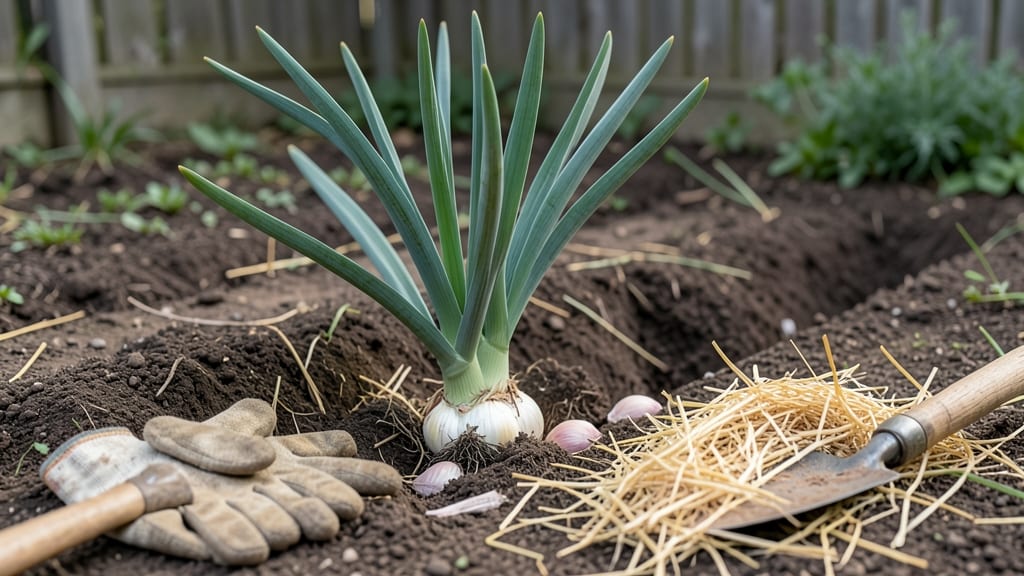
Planting garlic in Colorado at the wrong time could mean the difference between a bountiful harvest and a disappointing flop. Whether you're growing hardneck or softneck varieties, timing is everything—especially when you're working with USDA zones 5-7 and Colorado's unpredictable weather patterns.
The best window for planting your 🧄 cloves is late September to early October, but early spring (March) also works if you adjust for frost dates. This isn’t just about calendar months—it’s about soil temperature, daylight hours, and how your local microclimate behaves.
Get it right, and you’ll enjoy robust bulbs by mid-July.
In this guide, I’ll break down the exact months for hardneck vs. softneck garlic, how elevation affects your planting schedule, and the critical steps to prepare your soil for Colorado’s climate. No more guesswork—just proven strategies to maximize your yield.
Ready to grow garlic like a pro? Let’s dive into the details that will make your harvest the envy of every Colorado gardener.
Colorado garlic planting calendar: hardneck vs softneck months explained
Colorado’s unique climate—with its high elevation, cold winters, and variable frost dates—makes garlic planting a game of precision. The wrong timing can leave you with stunted bulbs or no harvest at all.
But when you nail it, you’ll grow bold-flavored hardneck varieties like ‘German Red’ or mild softneck types like ‘Silverskin’ that rival store-bought in size and quality.
Here’s the golden rule: Plant garlic in Colorado 4-6 weeks before the ground freezes—typically late September to early October for most regions. This timing ensures cloves establish roots before winter dormancy.
But there’s a catch: Hardneck vs. softneck varieties have different ideal windows, and Colorado’s microclimates (Denver, Colorado Springs, rural areas) can shift the calendar by weeks.
| Variety Type | Optimal Planting Window | Best For Colorado Regions | Key Notes |
|---|---|---|---|
| Hardneck (e.g., 'German Red', 'Music') | Late September–Early October | Denver, Colorado Springs, foothills | Needs cold vernalization for bulb formation; hardier in high elevations. |
| Softneck (e.g., 'Silverskin', 'Artichoke') | Mid-September–Late October | Lower elevations, urban gardens | More flexible timing; stores better but less cold-hardy. |
| Spring-Planted (Emergency Backup) | Early March (high risk) | All regions (not recommended) | Smaller bulbs; use only if fall planting missed. |
For Denver (Zone 5-6), aim for mid-to-late September—when soil temps drop to 50–60°F. In Colorado Springs (Zone 6-7), you’ve got a slightly longer window: late September to early October.
Rural areas with higher elevations (like the Rocky Mountain foothills) should plant earlier (late August–September) to avoid early freezes.
Pro tip: Check your local frost dates using the Colorado Climate Center or Almanac’s frost calculator. For example, Fort Collins averages its first frost on October 10, while Grand Junction might wait until November 1. Adjust your planting date 6 weeks before that date for foolproof success.
If you’re spring-planting (not ideal but doable), do it in early March—but expect smaller bulbs. This method skips the cold vernalization garlic needs to form proper bulbs, so it’s a last-resort option. For best results, stick to fall planting and focus on soil prep and clove selection.
One more critical factor: Daylight hours. Garlic needs 12–14 hours of daylight to bulb properly. In Colorado, this naturally occurs in late fall, making fall planting the gold standard. Spring-planted garlic won’t get enough daylight to develop fully, which is why it’s the lesser option.
For urban gardeners in Denver or Colorado Springs, microclimates matter. A south-facing garden might stay warmer and dry out faster, while a north-facing spot could stay damp longer. Monitor soil moisture closely—garlic hates soggy roots but needs consistent moisture to establish.
Finally, don’t overlook clove selection. Use plump, firm cloves from organic garlic (avoid treated supermarket garlic—it won’t sprout reliably). Break apart bulbs just before planting, and plant the largest cloves for bigger harvests. Save the smallest cloves for next year’s planting stock.
With these timing tricks, you’ll be well on your way to growing plump, flavorful garlic bulbs that’ll make your kitchen—and your neighbors—jealous. Happy planting! 🌱
5 Critical factors that determine your planting success in Colorado
Colorado’s unique climate means your garlic’s success hinges on more than just the calendar. The soil temperature must drop below 50°F (10°C) for hardneck varieties to form bulbs, while softneck garlic prefers slightly warmer starts. If you plant too early, cloves may sprout prematurely and rot in cold soil.
Another game-changer is your local frost date. Colorado’s first frost varies wildly—Denver averages October 15**, but rural areas can freeze weeks earlier. Always plant 4-6 weeks before your expected frost to ensure roots establish before winter dormancy.
Don’t overlook daylight hours, either. Garlic needs 12-14 hours of daylight to trigger bulb formation. In Colorado’s shorter autumn days, this means planting in late September aligns perfectly with natural light cycles for hardneck varieties.
Your elevation matters, too. High-altitude gardens (like those above 6,000 feet) have cooler soils and shorter growing seasons. Adjust your timeline by 2-3 weeks later than lowland areas if you’re planting near Pikes Peak or the Rockies.
Soil Temperature
Hardneck garlic needs soil below 50°F (10°C) for bulb formation. Use a soil thermometer to confirm readiness.
Frost Dates
Plant 4-6 weeks before your area’s first frost. Check USDA zone maps for local variations.
Daylight Hours
Garlic needs 12-14 hours of daylight for bulb development. Late September aligns with Colorado’s natural light cycle.
Elevation Adjustments
High-altitude gardens (above 6,000 ft) need 2-3 weeks later planting than lowland areas.
Microclimates
Urban areas (like Denver) stay warmer than rural zones. Use local weather stations to fine-tune your schedule.
Finally, microclimates play a huge role. Urban Denver gardens often stay 5-10°F warmer than rural areas due to the heat island effect. If you’re in a city, you might push planting to mid-October without risking frost damage.
Pro tip: Combine these factors by checking your local almanac for historical frost dates, then adjust for your specific elevation and microclimate. When in doubt, plant early—garlic is forgiving if the soil is cold but will rot if planted too late in warm conditions.