
Plants
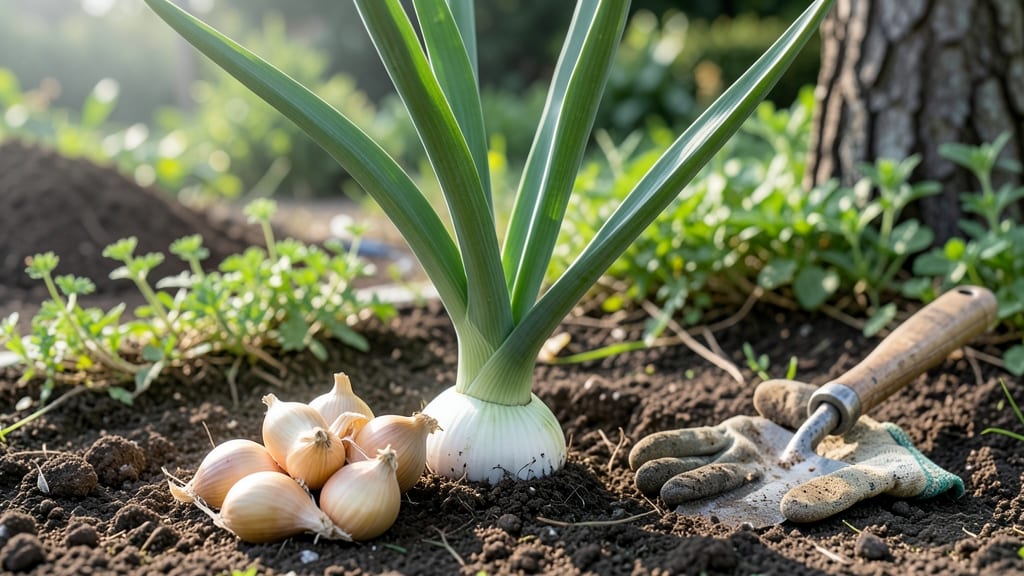
Planting garlic in Oregon at the wrong time can mean the difference between a bumper crop of plump bulbs and a disappointing harvest.
With the right timing—typically between October and November—your 🧄 will thrive in the state's 7b-9a zones, producing hardneck varieties perfect for braiding or softneck types that store beautifully.
Why does timing matter so much? Oregon's variable frost dates mean planting too early or late can leave your garlic vulnerable to rot or bolting.
The key is to get those cloves in the ground about 4-6 weeks before the first hard frost, giving them time to establish roots before winter sets in.
In this guide, I'll walk you through the exact planting windows for your region, whether you're in the Willamette Valley or Eastern Oregon. You'll also discover how to prepare your soil and select the best varieties for your climate, ensuring your garlic grows strong and flavorful.
From soil prep to harvest timing, we've got you covered with localized tips that make all the difference. Let's get your garlic off to the best possible start this fall!
Best fall planting dates for Oregon garlic by region
Garlic thrives in Oregon’s mild winters and well-drained soils, but the right planting window depends on your USDA zone and local frost dates. Most gardeners aim for 4-6 weeks before the ground freezes, typically between mid-October and late November.
However, coastal areas like Astoria may need earlier plantings, while Eastern Oregon can wait until early December.
Oregon’s Willamette Valley (Zones 7b-8a) offers the most flexibility, with October 15–November 15 being ideal. For coastal regions (Zone 8b-9a), plant between September 15 and October 31 to avoid winter rains. In high desert areas (Zone 7a), wait until late October or November when frost is imminent.
Timing matters because garlic needs 120-160 days of cold to form bulbs. Plant too early, and bolting (flowering) may occur. Plant too late, and bulbs won’t mature before summer heat. Use local frost dates as your guide—aim to plant 6 weeks before the first hard frost.
For hardneck varieties (like Purple Stripe or German Red), which need vernalization (cold exposure), the earlier window (October) works best. Softneck varieties (like Silverskin) are more flexible and can handle later plantings (November).
| Region | USDA Zone | Ideal Planting Window | Hardneck/Softneck Preference | Key Adjustment |
|---|---|---|---|---|
| Willamette Valley | 7b-8a | Oct 15–Nov 15 | Both (hardneck slightly earlier) | Avoid planting after Nov 20 |
| Coastal (Astoria, Newport) | 8b-9a | Sep 15–Oct 31 | Softneck preferred | Soil stays moist; use raised beds if needed |
| Eastern Oregon (Bend, La Grande) | 7a-7b | Late Oct–Early Dec | Hardneck dominant | Wait for soil temps below 50°F |
| High Desert (Burns, Klamath Falls) | 6b-7a | Nov 1–Dec 15 | Hardneck only | Mulch heavily for winter protection |
⚠️ Pro Tip: Check Oregon State University’s frost maps for real-time adjustments.
If you miss the fall window, late winter planting (February) is possible but riskier. Cloves planted in February may bolt prematurely due to spring warmth. For best results, stick to fall planting and use local frost data to fine-tune your schedule.
Oregon’s variable microclimates mean your neighbor’s perfect timing might not work for you. Use a soil thermometer to confirm 40–50°F soil temps before planting. This ensures cloves root before winter sets in.
For container gardening, plant 2-3 weeks earlier than in-ground garlic, as pots warm up faster. Choose smaller varieties like ‘California Early’ to maximize space. Containers also help in waterlogged soils, common in Oregon’s winter rains.
After planting, mulch heavily (4–6 inches) with straw or leaves to insulate bulbs through winter. Remove mulch in early spring to prevent rot as temperatures rise. This simple step can double your yield in Oregon’s unpredictable climate.
🌱 Remember: The earlier you plant, the larger your bulbs—but don’t rush. A well-timed garlic patch in Oregon can produce 5–10 lbs per 10 sq ft, making it one of the most rewarding crops for home gardeners.
Best fall planting dates for Oregon garlic by region
Oregon’s diverse climate means planting garlic timing varies dramatically across regions. In the Willamette Valley (Zones 7b-8a), aim for mid-October to early November—this gives bulbs time to establish roots before winter. Coastal areas (Zones 8b-9a) can plant slightly later, late October to mid-November, thanks to milder winters.
Meanwhile, Eastern Oregon (Zones 6b-7a) needs earlier action: September 15 to October 15 to avoid early frosts.
Your last frost date is your best guide. Plant 4-6 weeks before the ground freezes—typically mid-November to early December in most zones. For example, Portland’s average last frost is November 15, so plant by October 15.
Use your local USDA zone map to fine-tune timing, especially if you’re near the coast or high desert.
Here’s how hardneck vs. softneck varieties affect timing: Hardnecks (like Purple Stripe) thrive with longer cold exposure, so plant them earlier in Eastern Oregon. Softnecks (like Silverskin) tolerate milder winters, making them ideal for coastal zones where planting can stretch into early December.
| Region | USDA Zone | Best Planting Window | Key Variety | Adjustment Tip |
|---|---|---|---|---|
| Willamette Valley | 7b-8a | Mid-October to early November | Purple Stripe (hardneck) | Plant by October 15 for best results |
| Coastal Oregon | 8b-9a | Late October to mid-November | Silverskin (softneck) | Can plant up to December 1 in mild zones |
| Eastern Oregon | 6b-7a | September 15 to October 15 | German Red (hardneck) | Earlier planting prevents frost damage |
If you miss the fall window, don’t panic! Oregon’s mild winters allow for a late winter planting in February, though yields may be smaller. For hardneck garlic, this works best in cooler zones like Bend or La Grande.
In warmer coastal areas, late winter planting risks bolting—so stick to fall for best results.
Pro tip: Use a soil thermometer to check for 40°F soil temps—this is ideal for garlic roots to establish. In Eastern Oregon, where soils cool faster, plant 2-3 weeks earlier than coastal areas.
For container growing, plant by October 1 to ensure bulbs mature before summer heat sets in.
Remember: Oregon’s wet springs can cause rot or bolting if garlic isn’t planted at the right time. By following these regional guidelines, you’ll set your garlic up for plump bulbs and bold flavors—worth the effort! 🌱