
Plants
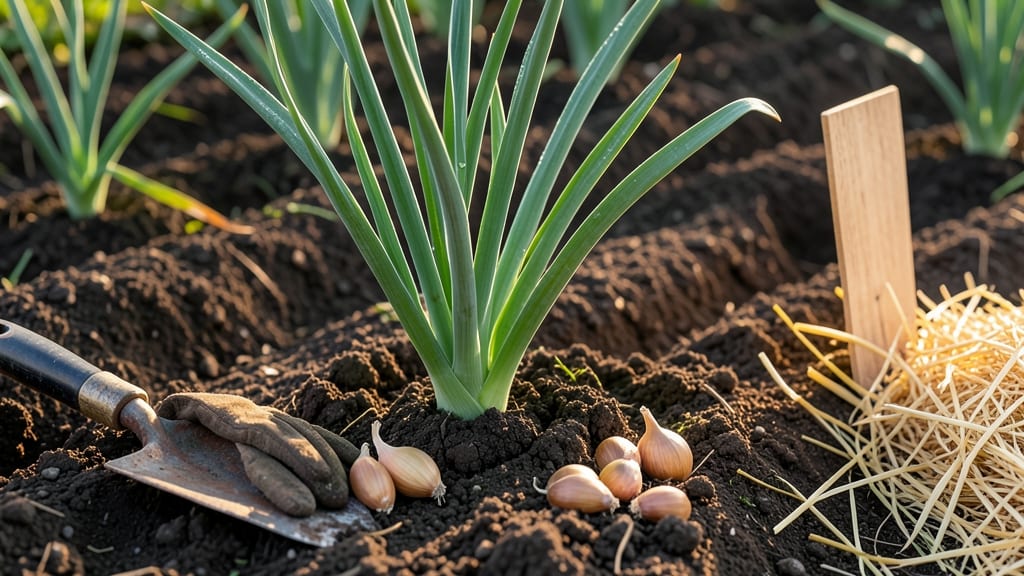
Planting garlic in the spring might seem counterintuitive, but with the right timing, you can still grow bold, flavorful bulbs—even if you missed the fall window. The key lies in understanding when to start for your zone, so you avoid stunted growth or weak harvests.
For most gardeners in USDA Zone 6a, the ideal window opens 4–6 weeks before your last frost, typically in early March. This gives your 🧄 cloves enough time to establish roots before summer heat sets in. Cold-hardy varieties thrive when planted early, but rushing it risks smaller yields.
I’ll break down the exact months for your region, plus how to adjust for early or late springs. You’ll learn how to prep soil, choose the right variety, and even troubleshoot common mistakes that derail spring-planted garlic. Let’s get those cloves in the ground the right way!
Whether you’re a first-time planter or a seasoned gardener, these practical deadlines will help you grow garlic that rivals fall-planted crops. No more guesswork—just a foolproof guide to spring planting success.
The exact spring planting months for cold-hardy garlic varieties
Most gardeners know garlic thrives when planted in the fall, but spring planting is possible—especially for cold-hardy varieties like ‘German White’ or ‘Silverskin’. The key? Timing it 4–6 weeks before your last frost date to ensure bulbs mature before summer heat sets in.
In warmer zones (like USDA Zone 8–9), this might mean planting as early as February, while colder zones (like Zone 3–5) should wait until March or April.
Garlic planted in spring won’t develop as large bulbs as fall-planted garlic, but with the right variety selection and soil prep, you can still harvest flavorful cloves. The trick is choosing hardneck varieties (like ‘Rocky Mountain’ or ‘Music’) over softnecks, which need longer growing seasons.
Hardnecks also produce scape shoots—edible stems that signal the bulb is nearing maturity.
Soil temperature is your best guide. Aim to plant when soil reaches 40–50°F—cold enough to slow weed growth but warm enough for roots to establish. Use a soil thermometer to check; if temps fluctuate above 70°F, bulbs may bolt (flower prematurely) and produce fewer cloves.
Here’s the zone-by-zone breakdown for spring planting, including ideal weeks and soil temperature thresholds to maximize bulb size and flavor:
If you’re in a warmer zone (Zone 9–10), consider planting in January to give bulbs enough time to mature before summer’s intense heat. In these areas, shade cloth (30–50%) can help prevent bolting.
For cooler zones (Zone 3–5), wait until soil warms slightly—planting too early in cold, wet soil can rot cloves before they sprout.
Pro tip: Pre-sprout your cloves indoors 2–3 weeks before planting. Place peeled cloves in a jar with water, cover with a damp paper towel, and keep in a cool, dark place (60–65°F). Once roots emerge (about 10–14 days), plant them immediately—they’ll establish faster in the garden.
Spring-planted garlic needs consistent moisture but well-draining soil to prevent rot. Water deeply once a week (or more in dry spells) and mulch with straw or grass clippings to retain moisture and suppress weeds.
Avoid fertilizing until shoots are 4–6 inches tall—too much nitrogen early on can lead to leafy growth at the expense of bulb development.
Harvest time for spring-planted garlic arrives 8–10 weeks after sprouting, when lower leaves turn brown and papery. Dig carefully with a fork to avoid damaging bulbs. Cure them in a dry, shaded area for 2–3 weeks before storing—this extends shelf life and intensifies flavor.
While spring-planted garlic won’t match the size of fall-planted bulbs, it’s a great backup for late fall planters or gardeners who missed the ideal window. With the right variety and timing, you’ll still enjoy homegrown garlic with robust flavor and fewer pests than store-bought.
The exact spring planting months for cold-hardy garlic varieties
Spring-planted garlic thrives when you align planting with your last frost date and soil temperature. Unlike fall planting, spring garlic needs to establish roots before summer heat stress. For USDA Zones 3–5, aim for late February to early March—when soil reaches 40°F but before 50°F consistently.
In warmer zones (6–9), push planting to March or early April to avoid summer bolting. Hardneck varieties (like Rocha or German White) handle spring planting better than softnecks, which prefer fall. Always use large, firm cloves for bigger bulbs.
Missed the window? Don’t panic. In Zones 5–7, you can still plant through April if you use shade cloth to protect seedlings from heat. Mulch heavily with straw or leaves to keep roots cool.
Spring garlic grows slower than fall-planted, but with the right timing, you’ll still get marketable bulbs.
Pro tip: Plant 2–4 weeks before your last frost for best results. Use a soil thermometer to confirm readiness—garlic roots need 40°F+ soil to sprout reliably. Overheating soil before planting? Wait until temps stabilize to avoid stunted growth.
Regional tweaks matter. In Pacific Northwest, aim for March 1–15; in Deep South, delay until April 1–15. Always choose cold-hardy varieties like Silverskin or Creole for spring success.
Ready to plant? Grab your cloves, prep the soil, and mark your calendar—timing is your secret weapon for garlic that outshines fall harvests. 🧄