
Plants
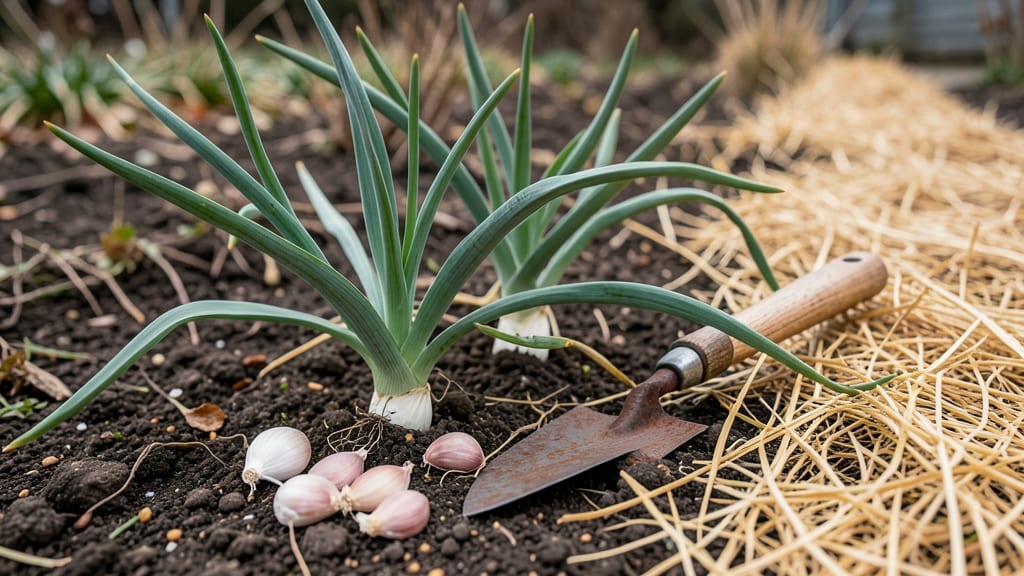
Planting garlic in Oklahoma at the wrong time can mean the difference between a bountiful harvest and frost-damaged disappointment—especially when you're dealing with zones 6-8.
The key isn't just knowing when to plant, but understanding how to work with Oklahoma's unpredictable winters to give your 🧄 cloves the best possible start.
Most gardeners assume spring planting is the only option, but in Oklahoma, fall is actually the optimal window—typically between October and December. This timing lets the cloves establish roots before winter, so they're ready to grow as soon as the ground thaws.
The secret? Planting when soil temperatures drop to 40-50°F ensures your garlic won't rot before it gets a chance to root.
If you're new to growing garlic, you might be surprised by how much the local microclimate matters. What works in Tulsa's slightly cooler zones might fail in Oklahoma City's drier heat.
I'll show you how to adjust your planting schedule based on your specific area, plus the simple soil prep tricks that make all the difference for hardy, flavorful bulbs.
Let's cut through the guesswork so you can plant with confidence—and end up with the biggest, most robust garlic your neighbors have ever seen. Ready to get started?
Oklahoma garlic planting calendar: months and temperature rules for success
Timing your garlic planting in Oklahoma hinges on two critical factors: soil temperature and first frost dates. Most Oklahoma gardeners (USDA zones 6-8) should aim to plant between mid-October and December, when soil temps drop to 40-50°F.
This window lets cloves establish roots before winter dormancy—critical for surviving freeze-thaw cycles common in the state.
For northern Oklahoma (zone 6), prioritize planting by November 15 to avoid early freezes. In central/southern regions (zones 7-8), you can extend planting until December 15, but avoid planting after the first hard frost (typically late November).
The key is getting cloves 6 inches deep before temperatures dip below 32°F.
Here’s why timing matters: Garlic needs 60-90 days of cool weather to form bulbs. Planting too early (August-September) risks premature sprouting or rot, while planting too late (January) exposes cloves to freeze damage. Oklahoma’s unpredictable winters make this balance tricky—hence the need for a flexible but firm deadline.
🌱
| Planting Window | Soil Temp (°F) | USDA Zone | Key Risk |
|---|---|---|---|
| Mid-October – November 15 | 40–50°F | 6 (Northern OK) | Early frost |
| November 15 – December 15 | 35–45°F | 7–8 (Central/South OK) | Late frost |
| January | Above freezing | All zones | Freeze damage |
To nail your planting window, check Oklahoma’s first frost dates (typically November 15–December 1) and count backward. Cloves need 4–6 weeks to root before dormancy. For example, if your first frost is November 25, plant by October 25 to ensure roots establish before cold sets in.
Pro tip: Use a soil thermometer to confirm temps. Cloves planted in soil warmer than 50°F may sprout too soon, while soil colder than 35°F can stunt root growth. Aim for that 40–50°F sweet spot—it’s your ticket to bold, flavorful bulbs next summer.
For hardneck varieties (like ‘Music’ or ‘German White’), prioritize early planting (October) to maximize scape production. Softneck types (e.g., ‘Silverskin’) are more forgiving and can handle slightly later plantings (November). Always choose large, firm cloves from the outer bulb—they’ll yield the biggest harvests.
🌿
One common mistake? Planting garlic in spring. While possible in Oklahoma’s milder zones (7–8), spring-planted garlic rarely matures fully before summer heat sets in. Your best bet is fall planting, even if it means battling Oklahoma’s unpredictable weather.
Just remember: patience pays off. Those cloves you tuck into the soil in November will reward you with homegrown garlic by June or July.
Finally, don’t overlook mulching. Apply 4–6 inches of straw or leaves after planting to insulate cloves from freeze-thaw cycles and retain moisture. In Oklahoma’s dry winters, this step can mean the difference between thriving bulbs and wasted cloves.
How to adjust planting dates for Oklahoma’s microclimates and frost risks
Oklahoma’s climate isn’t one-size-fits-all—what works in Tulsa (Zone 7a) might fail in Oklahoma City (Zone 7b), where winters can be drier and frost arrives earlier. I’ve seen gardeners in western Oklahoma plant in early November only to have their garlic freeze back before roots established.
The key is adjusting your schedule based on your local frost dates and microclimate.
For most of Oklahoma, aim to plant garlic 4-6 weeks before the ground freezes. Check the USDA Plant Hardiness Zone Map for your exact location—northern Oklahoma (Zone 6) needs earlier planting than the southern panhandle (Zone 8).
A general rule: if your average first frost is November 15, plant by October 20.
Here’s the trick: use mulch (straw or leaves) to protect newly planted cloves. A 4-inch layer of mulch can delay frost damage by 2-3 weeks, giving your garlic time to root.
I’ve had success planting as late as mid-December in protected beds, though yields are smaller. The mulch also prevents soil heaving during freeze-thaw cycles.
Another pro move? Chitting garlic (pre-sprouting cloves) before planting. Place whole bulbs in a cool, dark spot in late September—roots will sprout in 2-3 weeks. When you plant these pre-sprouted cloves, they establish roots 30% faster than untreated ones. This is especially helpful if you’re pushing the late-November planting window.
Watch for false springs—those warm spells in winter that trick you into thinking frost is over. If temperatures rise above 50°F in January, your garlic might start growing only to get nipped by a late frost. Use frost cloth or row covers for extra protection during these unpredictable periods.
If you’re in western Oklahoma (Panhandle region), where winters are colder and drier, plant even earlier—by mid-October. The soil stays dry longer, and frost can arrive as early as October 30.
In contrast, eastern Oklahoma’s wetter climate allows for slightly later planting (late October to early November) because the ground stays workable longer.
Pro tip: mark your planting date on a garden journal and note how your garlic performs. Over time, you’ll spot patterns in your microclimate that let you fine-tune your schedule.
For example, I’ve found that my elevated garden beds in Oklahoma City stay warmer and freeze later than in-ground soil—so I can plant a week later there without issues.
Late Planting Warning
Planting garlic after November 15 in most of Oklahoma risks frost damage before roots establish. If you miss the window, opt for spring planting (February-March), but yields will be 30-50% smaller than fall-planted garlic.
For gardeners in Zone 8 (southern Oklahoma), where winters are milder, you can push planting to early December. However, even here, a late frost can still damage young plants.
Use black plastic mulch to warm the soil and extend the growing season. I’ve seen gardeners in this zone harvest garlic as early as May when using these techniques.
Remember: the goal is to have your garlic rooted but not growing when winter hits. This means planting when soil temps are 40-50°F—cold enough to slow growth but warm enough to prevent rot.
Use a soil thermometer to check before planting. If you’re unsure, err on the side of planting earlier rather than later.