
Plants
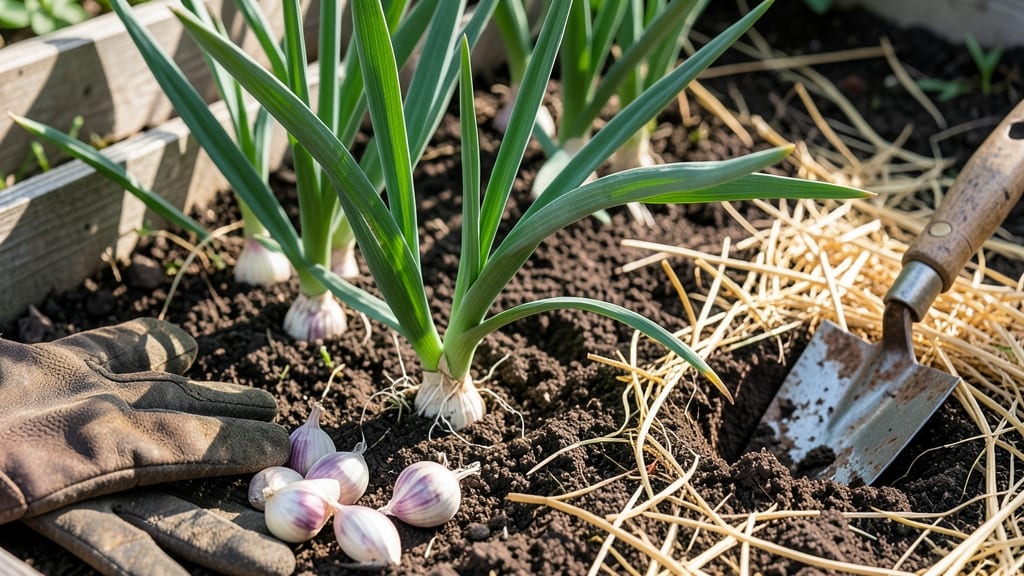
Timing your garlic planting in Virginia can make or break your harvest—get it wrong, and you might end up with weak bulbs or no crop at all.
The key to success lies in planting 🧄 between mid-October and early November, when temperatures start to cool but before the ground freezes solid.
For Virginia gardeners in zones 7a-8a, fall planting is the gold standard because it gives garlic time to establish roots before winter dormancy. But don’t worry if you missed that window—spring planting in early March still works, though it may yield slightly smaller bulbs.
The real secret? Understanding how frost dates and soil temps interact with your local microclimate.
Whether you’re growing hardneck (great for cold winters) or softneck (better for milder areas), this guide breaks down the exact steps to prepare your soil and cloves for maximum success.
I’ll also share how to spot the perfect planting window based on your specific zone—so you can avoid common pitfalls and enjoy a harvest from late June to early July.
Ready to grow garlic that rivals the pros? Let’s dive into the timing, soil prep, and variety choices that’ll have your garden thriving—no guesswork required.
Virginia planting zones and ideal fall dates for garlic
Virginia’s USDA zones 6, 7, and 8 create distinct windows for planting garlic, but the golden rule is to plant 4-6 weeks before the ground freezes.
In most of Virginia, this means mid-October to early November for a robust harvest the following summer. Timing ensures garlic bulbs develop properly before winter dormancy.
Northern Virginia (zones 6-7) typically has earlier frost dates (mid-November), so aim for late September to mid-October.
Central Virginia (zone 7) can extend planting until early November, while the warmer coastal regions (zone 8) may push planting to December—but avoid planting too late, as garlic needs cold exposure to form bulbs.
Soil temperature is critical: garlic cloves should be planted in soil that’s below 60°F but not frozen. Use a soil thermometer to check—50-55°F is ideal.
In Virginia, this usually aligns with October’s cooler evenings, but microclimates (like urban heat islands) can shift these dates by 1-2 weeks.
Missed the fall window? Don’t worry—garlic can also be planted in early March for a summer harvest, though bulbs may be smaller and less flavorful. Spring-planted garlic lacks the cold vernalization needed for full bulb development.
🌱
| USDA Zone | Ideal Planting Window | Soil Temp Threshold | Key Consideration |
|---|---|---|---|
| 6 (Northern VA) | Late September–Mid-October | 50–55°F | Earlier frost; prioritize hardneck varieties |
| 7 (Central VA) | Mid-October–Early November | 50–55°F | Balanced climate; both hardneck and softneck thrive |
| 8 (Southern VA/Coastal) | Early November–December | 55–60°F | Warmer winters; softneck varieties preferred |
🌡️ Pro Tip: Adjust for elevation—higher areas (e.g., Shenandoah Valley) may need earlier planting.
Microclimates play a huge role in Virginia. For example, Richmond’s urban areas can stay 5-10°F warmer than rural zones, delaying frost by 1-2 weeks. If you’re unsure, use a local frost date calculator (like the Virginia Cooperative Extension’s tools) or observe nearby gardens for first frost signs.
Garlic planted too late may produce smaller bulbs or bolt prematurely (shoot up a flower stalk). Conversely, planting too early in warm soil can cause cloves to sprout before winter, weakening the plant. Aim for that sweet spot of cool soil—your bulbs will thank you!
In Virginia’s zone 7a-8a, garlic planted in late October typically yields the largest bulbs by summer. Test a small batch first to refine your timing—every garden has unique conditions. Mulch with straw or leaves after planting to insulate cloves during winter’s freeze-thaw cycles.
🌿
For zero-frost success, pair planting dates with soil prep. Loosen soil to 6-8 inches deep and amend with compost or aged manure to improve drainage.
Well-drained soil prevents rot during winter’s moisture, ensuring healthy bulb formation. Next, we’ll dive into preparing cloves and soil for planting—critical steps to avoid common pitfalls!
How to prepare garlic cloves and soil for fall planting
Preparing your garlic cloves and soil is just as critical as timing—skipping this step can lead to poor bulb formation or even total failure. Start by selecting plump, healthy cloves from organic, untreated bulbs.
Avoid using garlic from the grocery store, as it’s often treated to prevent sprouting and may carry diseases.
Break apart your garlic bulbs into individual cloves, ensuring each clove has its papery skin intact. The larger the clove, the bigger your bulb will grow, so prioritize the biggest cloves for your best harvest.
For extra insurance, soak the cloves in a 1% hydrogen peroxide solution for 10 minutes to disinfect and prevent rot.
Next, focus on your soil. Garlic thrives in well-draining, loose soil with a pH between 6.0 and 7.0. Test your soil’s pH using a kit from your local garden center—if it’s too acidic, amend it with lime, and if it’s alkaline, add sulfur or composted pine needles.
Work in 2-3 inches of compost or well-rotted manure into the top 6-8 inches of soil to improve fertility and drainage. Avoid fresh manure, which can burn garlic roots. If your soil is heavy clay, mix in sand or perlite to create a lighter, airier texture that encourages root growth.
Finally, create a planting bed with rows spaced 6-8 inches apart. Dig individual holes 2 inches deep and place each clove pointy-end up, about 4-6 inches apart within the row. Cover with soil and water gently to settle it around the cloves.
Mulch heavily with straw or leaves (4-6 inches deep) to insulate the soil and protect cloves from freezing temperatures. This mulch will also suppress weeds and retain moisture throughout winter.