
Plants
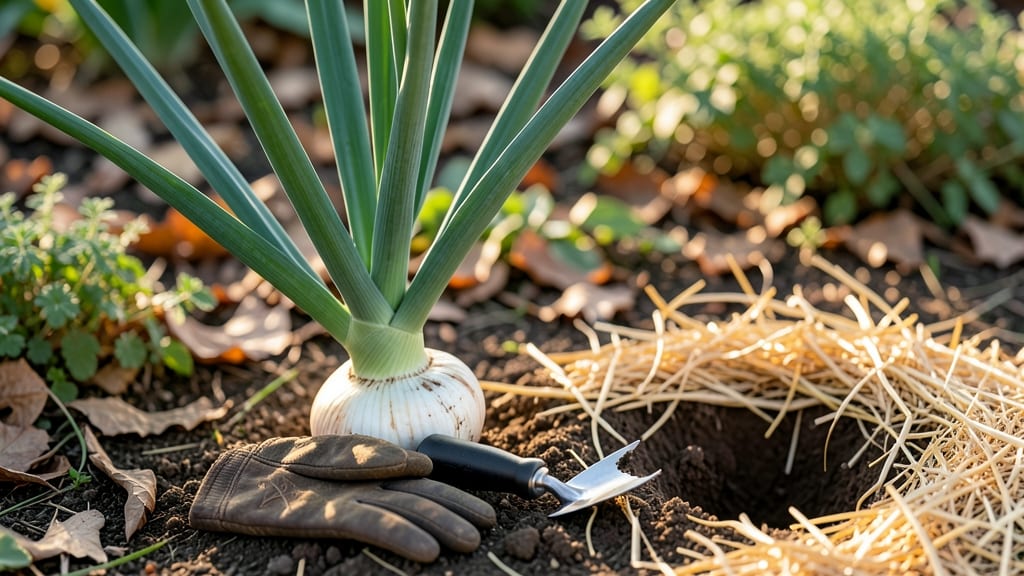
Planting garlic in Zone 5 at the wrong time could mean the difference between a thriving crop and wasted effort. The fall planting window is your golden opportunity to grow bold, flavorful bulbs that mature beautifully by next summer.
With just 6 weeks to get it right before winter sets in, timing is everything.
Most gardeners in Zone 5 know fall is the magic season for garlic, but pinpointing the exact dates can be tricky. Whether you're growing hardneck varieties for scapes or softneck for storage, getting the timing down to the week makes all the difference.
I'll walk you through the ideal planting schedule and how to adjust for your specific microclimate.
Why does this matter? Because garlic planted too early may rot in cold soil, while planting too late risks stunted growth. The secret lies in understanding your last frost date and soil temperatures. Let's break down the exact steps to plant garlic in Zone 5 for maximum harvest potential.
From selecting the right varieties to preparing your soil, I'll cover everything you need to know. By the end, you'll have a clear planting timeline that accounts for Zone 5's unpredictable weather patterns. Ready to grow garlic that'll make your kitchen the envy of the neighborhood?
Optimal fall planting dates for garlic in Zone 5
Garlic thrives in Zone 5 when planted in the fall, specifically during a 6-week window before the ground freezes. This timing allows cloves to establish roots before winter dormancy.
For most of Zone 5, that means planting between mid-October and late November, but your exact date depends on your local last frost date and soil conditions.
The key is to plant 4-6 weeks before the ground freezes—typically when soil temperatures drop to 40-50°F. In colder Zone 5a areas (like northern Minnesota or Maine), aim for early October.
In milder Zone 5b regions (like Chicago or New York City), you can push planting until late November.
Why fall? Garlic planted in fall grows slowly through winter, develops strong roots, and produces larger bulbs by summer. Spring-planted garlic often yields smaller, less flavorful bulbs because it competes with summer heat and pests.
Use this simple rule: Count backward from your average first frost. If frost hits by November 15, plant by October 15. If frost arrives later (e.g., December 1), you can plant until November 15. Adjust for microclimates—southern slopes or urban areas may stay warmer longer.
| Zone 5 Type | Ideal Planting Window | Soil Temp Threshold | Notes |
|---|---|---|---|
| Zone 5a (Cold) | Mid-October – Early November | 40–45°F | Plant early; ground freezes sooner. |
| Zone 5b (Mild) | Late October – Late November | 45–50°F | Can plant later; soil stays warmer. |
| Urban Microclimates | Late October – Mid-November | 40–50°F | Pavement retains heat; adjust for local warmth. |
Pro tip: Check your local almanac for historical frost dates—not the USDA average. For example, if your area’s first frost is November 20, plant by October 20. If frost arrives early (e.g., October 30), plant by October 5 to avoid winter-killed cloves.
Hardneck varieties (like Rocambole or Purple Stripe) are best suited for Zone 5’s cold winters. Softneck varieties (like Silverskin) can also work but may need slightly earlier planting to mature fully. Always choose large, firm cloves from organic sources for the best start.
After planting, mulch with 4–6 inches of straw to insulate cloves through winter. This protects them from freeze-thaw cycles and keeps soil temperatures stable. Remove mulch in early spring to prevent rot as growth resumes.
Missed the fall window? You can plant garlic in early spring (March–April), but yields will be smaller. Spring-planted garlic needs extra care—water consistently and watch for pests like thrips, which are more active in warm weather.
Remember: Timing is everything for garlic. Plant too early, and cloves may sprout before winter. Plant too late, and they won’t establish roots before freezing. Aim for that sweet spot of 4–6 weeks before frost, and you’ll harvest plump, flavorful bulbs by mid-summer.
Optimal fall planting dates for garlic in Zone 5
Garlic thrives in Zone 5 when planted in fall, but timing is everything. The key is to plant 4-6 weeks before the ground freezes—typically between mid-October and early November.
This gives garlic enough time to establish roots before winter dormancy. Too early, and cloves may sprout and freeze; too late, and they won’t form bulbs properly.
Zone 5’s soil temperature is critical—garlic needs 40–50°F soil for root growth. Use a soil thermometer to confirm before planting. If your soil is still warm (above 50°F), wait a few weeks. Cold soil speeds up dormancy, so don’t rush if temperatures are dropping fast.
🌱 Pro Tip: A general rule for Zone 5 is to plant garlic by Halloween (October 31). This aligns with most frost dates but adjust based on your local microclimate. Urban areas may freeze earlier than rural spots, so monitor forecasts.
| Stage | Action | Ideal Timeframe |
|---|---|---|
| Soil Prep | Loosen soil, add compost | Late September |
| Planting | Cloves 2" deep, pointy end up | Mid-October to early November |
| Winter Dormancy | Mulch 2–3" thick | After planting |
| Spring Growth | Remove mulch, water moderately | April–May |
After planting, mulch heavily (2–3 inches) with straw or leaves to insulate bulbs during freeze-thaw cycles. This protects roots and prevents heaving—when soil expands and pushes garlic out of the ground. In Zone 5, mulch also helps maintain consistent soil temps between 32–40°F during winter.
Spring growth begins in April, but don’t fertilize yet. Garlic stores energy over winter, and early fertilizer can disrupt bulb formation. Wait until late May or June—when shoots are 6 inches tall—to apply a light nitrogen feed (like compost tea) to support leafy growth.
🌿 Remember: Zone 5’s short growing season means garlic needs 270–300 days from planting to harvest. Fall planting ensures bulbs mature before summer heat stress sets in. If you miss the fall window, spring planting is possible but yields are smaller and flavor may suffer.