
Plants
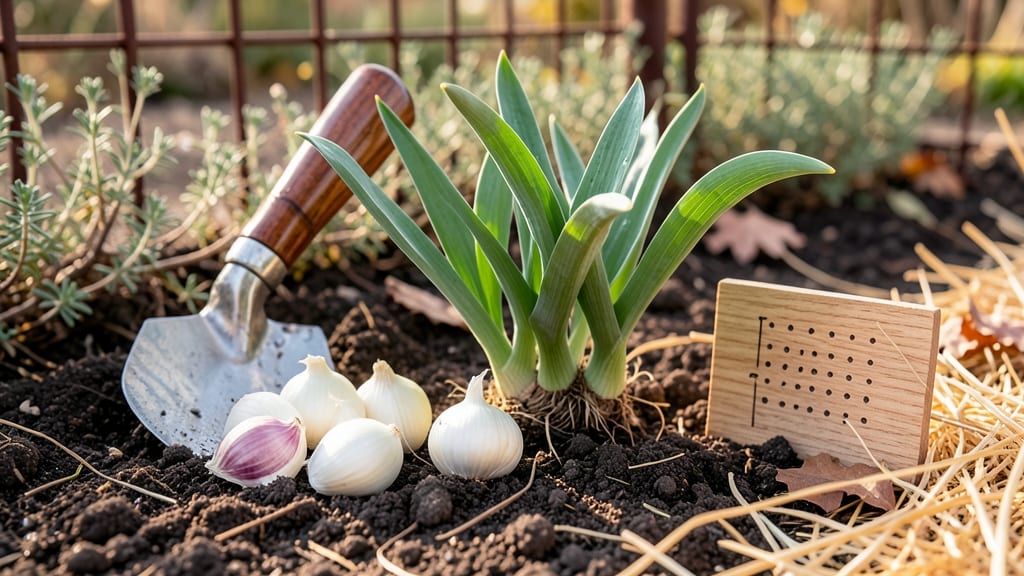
Timing your 🧄 garlic planting in Zone 7 isn't just about sticking cloves in the ground—it’s the secret weapon behind those plump, flavorful bulbs you’ve been dreaming of. Plant too early, and you risk weak growth; too late, and your harvest might never fully develop.
The difference between a disappointing crop and a bountiful one often comes down to those 6 weeks in fall when conditions are just right.
Most gardeners in Zone 7 swear by fall planting—specifically between October and November—because cooler temperatures trigger root growth while keeping tops dormant until spring. But here’s the catch: your exact window depends on when your first frost hits.
If you miss it, don’t panic—spring planting still works, though it requires a different approach. I’ll walk you through the exact timing, soil prep, and even how to use moon phases to your advantage for maximum bulb size.
Let’s cut through the guesswork. Whether you’re a first-time grower or a seasoned gardener tweaking your routine, you’ll leave this guide knowing precisely when to plant, how deep to bury those cloves, and the one mistake that ruins more garlic crops than any other.
Ready to grow garlic like a pro?
From selecting the right variety to avoiding common pitfalls, I’ve got the step-by-step secrets that’ll turn your Zone 7 garden into a garlic powerhouse. Let’s get those cloves in the ground at the perfect moment—because timing, as they say, is everything.
Optimal fall planting window for garlic in Zone 7
In Zone 7, the 6-week fall planting window between late September and early November is your golden opportunity to grow plump, flavorful garlic bulbs. This timing ensures cloves establish strong roots before winter dormancy, setting the stage for robust growth next spring.
Missing this window risks weak bulbs or complete failure—don’t let that happen!
Garlic thrives when planted 4-6 weeks before the ground freezes in Zone 7, typically around mid-October. This cold exposure triggers bulb formation, while still allowing roots to anchor before winter.
If you plant too early, cloves may sprout and get damaged by frost. Too late, and roots won’t establish properly.
Zone 7’s first frost usually arrives in mid-November, so aim to plant by early November at the latest. Use your local frost date as your guide—count backward 6 weeks to calculate your ideal planting window. For example, if frost hits November 15th, plant by October 20th.
Here’s how to adjust for early or late frosts: If your fall is unusually warm, plant on the earlier side (late September) to avoid summer heat stress. If frost comes early, shift to the later side (early November) and use mulch to protect emerging plants. Flexibility is key!
Pro tip: Plant in cool, crisp weather (50-60°F) for best results. Avoid planting after the first frost—cloves need soil temperatures below 50°F to trigger dormancy and bulb development. This is why fall planting works so well in Zone 7’s climate.
If you’re new to garlic growing, hardneck varieties like ‘Music’ or ‘German White’ are ideal for Zone 7—they produce larger bulbs and thrive in cold winters.
Softneck varieties (like ‘Artichoke’) store longer but may not perform as well in Zone 7’s climate. Choose based on your goals: flavor vs. storage life.
For a second harvest, consider planting a small spring crop in February or March. While not as robust as fall-planted garlic, spring garlic matures faster and can fill gaps if your fall planting was delayed.
Just remember: spring garlic won’t store as long, so use it fresh or preserve it quickly.
Once you’ve nailed your planting window, focus on soil prep—garlic loves well-draining, fertile soil with a pH of 6.0–7.0. Work in compost or aged manure before planting to give roots a nutrient boost. Avoid fresh manure, which can burn cloves and stunt growth.
After planting, mulch heavily (3–4 inches) with straw or leaves to insulate cloves through winter. This protects them from temperature swings and soil heaving, ensuring they stay snug until spring. Remove mulch in early spring to allow soil to warm and encourage sprouting.
Timing is everything when planting garlic in Zone 7—get it right, and you’ll rewarded with bold, flavorful bulbs ready for harvest next summer. Mark your calendar now and set your garlic cloves for success! 🧄
Optimal fall planting window for garlic in Zone 7
In Zone 7, the 6-week window between late September and early November is your golden opportunity to plant garlic for a robust harvest. This timing ensures cloves establish roots before winter dormancy, allowing them to grow strong bulbs come spring.
The key is planting 4-6 weeks before the ground freezes—typically around mid-November in most of Zone 7.
Why fall? Cooler temperatures trigger root development while keeping tops dormant until spring warmth signals top growth. This two-phase growth cycle is what builds those plump, flavorful bulbs we all crave.
If your first frost arrives early (before November), adjust by planting 2-3 weeks earlier—just don’t rush it, or you’ll risk weak sprouts.
Here’s the exact breakdown for Zone 7 gardeners:
- Late September to early October: Best for areas with mild winters (e.g., Atlanta, GA).
- Mid-October to early November: Ideal for colder pockets (e.g., Cincinnati, OH).
- Avoid planting after November 15th: Cloves need time to root before freezing.
- 📅 Late Sept - Early Oct: Plant for mild winters (e.g., Atlanta). Soil temp: 50-60°F.
- 📅 Mid-Oct - Early Nov: Standard window for most of Zone 7. Frost risk: Low.
- ❄️ After Nov 15: High frost risk; cloves may not root properly.
- 🌿 Spring Backup: Plant in February if you miss fall (harvest same year).
- 🌡️ Soil Prep Tip: Aim for 40-50°F soil—use a thermometer!
Pro tip: Use the moon phases to your advantage. Planting during the waning moon (after a full moon) encourages root growth—ideal for garlic. Check a lunar planting calendar for your exact dates, but don’t stress if you miss it; garlic is forgiving.
If you’re in a warmer microclimate (e.g., near a heat island), plant on the earlier side of the window. Conversely, in cooler areas, lean toward the later dates. The goal is to let cloves root but avoid sprouting before winter, which weakens them.
Remember: Spring planting (February) is your backup, but bulbs may be smaller. Fall-planted garlic always yields larger, hardier harvests. Mark your calendar now—your Zone 7 garlic is waiting for its perfect moment to shine! 🌱