
Plants
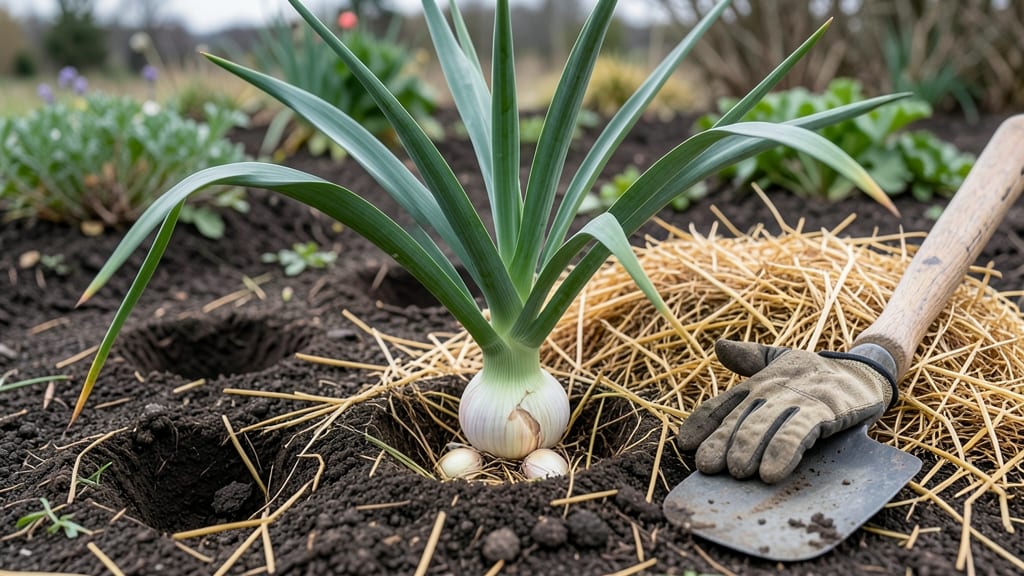
If you’ve ever wondered when to plant garlic in Vermont, the answer likely lies in timing. Planting garlic in Vermont isn’t just about throwing cloves into the ground—it’s about working with the state’s short growing season and unpredictable frost dates to give your crop the best shot at success.
Most gardeners know fall is the prime window, but Vermont’s Zone 4b-6a climate demands precision. Plant too early, and your garlic might rot in cold, wet soil; too late, and winter’s freeze could stunt growth.
The sweet spot? A 6-week window before the ground freezes, typically between mid-October and November, depending on your microclimate.
What makes Vermont unique is how regional differences—like the sheltered valleys of the Champlain Valley or the colder highlands of the Northeast Kingdom—can shift ideal planting dates by weeks.
Hardneck varieties, the classic choice for Vermont, need cold exposure to form bulbs, while softnecks thrive with a little more winter protection.
In this guide, I’ll break down the exact frost-free window for your zone, soil temperature tricks to avoid common mistakes, and how to adjust for Vermont’s quirky weather.
By the end, you’ll know not just when to plant, but why—so your garlic harvest in late June is the envy of the neighborhood.
Vermont’s ideal garlic planting window by Zone 4-5 (with frost date calculator)
Vermont’s Zone 4-5 climate creates a narrow window for planting garlic—typically between mid-October and late November. This timing ensures garlic cloves establish roots before the ground freezes, allowing them to thrive through winter dormancy.
Hardneck varieties, Vermont’s best choice, need 6-8 weeks of cool weather to form bulbs, while softnecks tolerate slightly later plantings but risk smaller yields.
The USDA Plant Hardiness Zone Map shows Vermont’s last frost dates range from mid-October in the Champlain Valley to late November in the Northeast Kingdom. Planting too early (before soil cools to 40–50°F) can trigger premature sprouting, while planting too late risks frost damage before roots establish.
Aim for 4–6 weeks before your area’s first hard frost—use the Vermont Frost Date Calculator (linked below) for precise timing.
🌱 Key Takeaway: Vermont gardeners should prioritize hardneck varieties (like ‘Music’ or ‘German White’) for their cold hardiness and scape production. Softnecks (e.g., ‘Silverskin’) can work but require warmer microclimates or protective mulching.
| Factor | Hardneck Garlic (Zone 4-5) | Softneck Garlic (Zone 4-5) |
|---|---|---|
| Planting Window | Mid-October to early November | Late October to mid-November |
| Soil Temp Threshold | 40–50°F (4–10°C) | 45–55°F (7–13°C) |
| Frost-Free Window | 6 weeks before first frost | 4–5 weeks before first frost |
| Regional Adjustment | Champlain Valley: Plant by Oct 15 Northeast Kingdom: Plant by Nov 1 |
Champlain Valley: Plant by Nov 1 Northeast Kingdom: Avoid (risky) |
| Last-Minute Risk | Poor root establishment | Bolting or small bulbs |
📋 Note: Use Almanac’s Frost Calculator for your exact location.
For Zone 4 areas (e.g., St. Johnsbury), prioritize planting by October 20—any later risks frost before roots form. In Zone 5 microclimates (like Burlington), you have until November 10, but monitor soil temps with a soil thermometer to avoid planting in cold soil (<40°F).
Hardnecks like ‘Chesnok Red’ or ‘Music’ are ideal for Vermont, while softnecks (e.g., ‘California Early’) need warmer, sheltered spots or extra mulch.
Vermont’s microclimates play a huge role—sheltered valleys (like the Champlain Valley) can plant 2 weeks later than exposed hills (e.g., Green Mountains). Test soil readiness by pressing a soil thermometer 4 inches deep; aim for 45–50°F for hardnecks. If soil is <40°F, wait or use row covers for insulation.
Pro tip: Plant individual cloves (not whole bulbs) 2 inches deep, 4–6 inches apart, with 8 inches between rows. This spacing prevents crowding and ensures large, well-formed bulbs by harvest. Use a garden marker to track rows—Vermont’s snow cover can obscure planting spots!
Harvest timing depends on variety: hardnecks produce scape shoots in June, while bulbs mature by late June–July. Softnecks take until August but store longer. 🌱 Key: Wait until lower leaves brown before pulling—this signals bulb maturity.
How to adjust garlic planting for Vermont’s microclimates and unpredictable winters
Vermont’s diverse landscapes—from the Champlain Valley’s milder winters to the Northeast Kingdom’s harsh frosts—mean one-size-fits-all planting advice won’t work. Microclimates can shift your ideal planting window by 2–4 weeks, so understanding your specific zone is key.
For example, Burlington (Zone 5a) may safely plant garlic until late November, while St. Johnsbury (Zone 4a) should finish by mid-October to avoid winter dieback.
Snow cover acts as a natural insulator, but thin or early-melting snow in exposed areas can expose garlic to freeze-thaw cycles, damaging bulbs. Aim for at least 6 inches of snow or use straw mulch (3–4 inches) if your area gets light snowfall.
In windy spots like the Green Mountains, add extra mulch or low tunnels to protect cloves from drying out.
- Champlain Valley (Zones 4b–5a): Plant late October–November; snow cover is reliable.
- Green Mountains (Zone 4a): Finish by mid-October; use cloches or row covers for late plantings.
- Northeast Kingdom (Zone 3b–4a): Plant September–early October; prioritize deep mulching (6 inches).
- Sheltered Valleys (e.g., Otter Creek): Extend window to early December if soil stays unfrozen.
- Exposed Hills/Ridges: Plant 4–6 weeks earlier to avoid windburn and frost heave.
If you miss the ideal window, don’t panic—late plantings can still succeed with adjustments. For Zone 4–5, garlic planted in December (before soil freezes) may survive if mulched heavily. Use black plastic mulch or burlap sacks to insulate soil and prevent heaving.
In Zone 3, avoid planting after October 15th unless you’re willing to risk bolting or poor bulb formation the following summer.
Softneck varieties like Silverskin are slightly more winter-hardy than hardnecks (e.g., Music or German White), making them a better choice for late plantings in Zone 4. However, hardnecks like Purple Stripe produce larger bulbs when planted on time, so they’re worth the extra effort in ideal conditions.
Always break apart garlic bulbs into individual cloves and plant the largest cloves first—they’ll establish roots faster in cold soil.
Monitor your garlic beds in early spring for winter dieback, where cloves may sprout but then yellow and rot due to excess moisture or thawing too quickly. If you see this, reduce watering and add straw mulch to stabilize soil temperatures.
By mid-April, remove mulch to allow sunlight to stimulate regrowth—this is when garlic truly wakes up from dormancy.
Pro tip: Mark your last planting date on a garden calendar and note soil temperature trends in your microclimate. Over time, you’ll refine your timing to match Vermont’s unpredictable weather patterns—because in gardening, local knowledge beats general rules every time. 🌿