
Plants
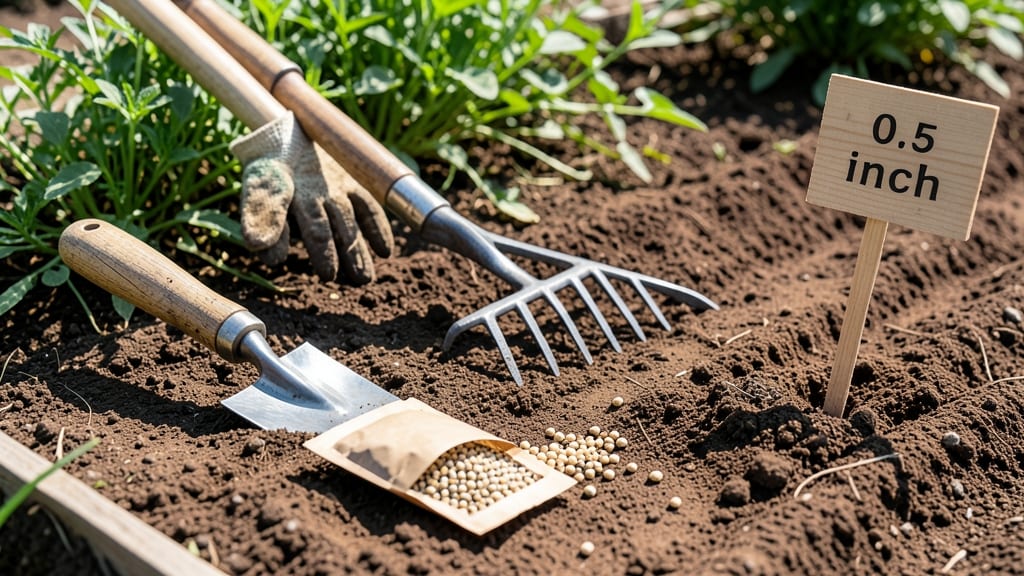
Timing your alfalfa planting in Michigan isn't just about the calendar—it's about beating frost, avoiding soggy soil, and giving your 🌱 crops the best shot at thriving in Zones 5-6.
Plant too early, and frost will wipe out your seedlings before they take root; wait too long, and you risk stunted growth before Michigan’s short growing season ends.
Most gardeners in Michigan swear by early spring planting between March and April, when soil temperatures finally climb above 50°F—the magic threshold for alfalfa seeds to sprout without rotting.
But if you’re in the Upper Peninsula or Zone 4, you’ll need to adjust your window even earlier to avoid late frosts that can linger into May.
Here’s the game-changer: late summer (August) is your backup window, but it requires precise soil prep and quick germination to establish roots before the first frost hits in October.
Whether you’re a first-timer or a seasoned farmer, knowing these deadlines means the difference between a lush alfalfa field and a disappointing patch of weeds.
I’ll walk you through the exact frost-free windows for your specific Michigan zone, soil prep secrets, and how to tell if you’ve planted at the perfect moment—so you can skip the guesswork and start harvesting in your second year.
Michigan alfalfa planting deadlines by Zone 4-5 (with frost risk charts)
Michigan’s USDA Zones 4-5 create a tight window for planting alfalfa, where timing can make or break your crop. In Zone 4 (Upper Peninsula), you’ll need to plant 2-3 weeks later than in Zone 5 (southern Michigan) to avoid frost damage.
The key is aligning your planting with soil temperatures of at least 50°F and last frost dates that vary by region.
For most of southern Michigan (Zone 5), aim to plant alfalfa seeds between late April and early May. In the Upper Peninsula (Zone 4), shift your timeline to mid-May to early June to account for later frost risks.
These deadlines ensure seedlings emerge when nighttime temperatures stay above 40°F, preventing cold stress.
Here’s the critical detail: Alfalfa seeds won’t germinate in cold soil, and seedlings are extremely frost-sensitive. Planting too early in Zone 4 risks killing young shoots, while planting too late in Zone 5 may delay first-year growth, reducing yields.
Use Michigan State University’s frost maps to pinpoint your local last-frost date—this is your absolute deadline for spring planting.
🌱
| Zone | Ideal Planting Window | Soil Temp Threshold | Last Frost Risk | Regional Notes |
|---|---|---|---|---|
| Zone 4 (Upper Peninsula) | Mid-May to early June | 50°F+ consistently | High (May 15) | Avoid low-lying areas; UP has 10-14 days later frost dates. |
| Zone 5 (Southern MI) | Late April to early May | 50°F+ consistently | Moderate (April 25) | Warmer microclimates (e.g., Detroit, Grand Rapids) can plant 1 week earlier. |
| Both Zones | Late August (fall backup) | 60°F+ soil | Low (after Sept 1) | Seeds must germinate 4-6 weeks before first frost (Zone 4: Sept 15; Zone 5: Oct 1). |
If you’re planting in northern Michigan (Zone 4), prioritize warmer microclimates like south-facing slopes or raised beds to extend your growing season. These areas can trap heat and delay frost by up to 10 days, giving your alfalfa a fighting chance.
For Zone 5 gardeners, don’t rush—wait until soil temperatures hit 50°F for 3+ days to ensure germination success.
Pro tip: Use a soil thermometer to monitor temperatures. Alfalfa seeds need consistent warmth to break dormancy, and cold soil will stall germination for weeks. If your soil is still below 50°F in early May, hold off planting and prepare your seedbed instead.
For those considering fall planting, late August is your only backup window in Michigan. Seeds must germinate 4-6 weeks before first frost, so aim to plant by September 1 in Zone 4 and September 15 in Zone 5.
Fall-planted alfalfa will establish roots but won’t produce significant growth until the following spring.
🌿
One common mistake is assuming air temperature equals soil temperature. Soil warms slower than air, especially in clay-heavy Michigan soils. To speed up warming, till in compost or straw mulch 2-3 weeks before planting. This raises soil temps by 5-10°F and improves drainage—critical for alfalfa’s shallow root system.
Finally, check your local USDA Plant Hardiness Zone map for precise deadlines. Even within Zone 5, cities like Traverse City have later frosts than Detroit. When in doubt, consult the Michigan State University Extension for hyper-local advice tailored to your county.
5 Signs your Michigan alfalfa planting timing is perfect (or too late)
Nothing ruins a alfalfa crop faster than planting at the wrong time. In Michigan’s unpredictable climate, even a few degrees off can mean the difference between vigorous seedlings and a failed stand.
I’ve learned the hard way—planting too early in Zone 4 last spring left my seeds rotting in 40°F soil, while waiting too long in Zone 5 gave my alfalfa no time to establish before summer heat set in.
Here’s how to nail your alfalfa planting timing in Michigan: watch for these 5 key signs that your timing is perfect—or adjust before it’s too late.
These indicators will help you avoid the most common mistakes, like planting when soil is still too cold or when weeds are already outcompeting your young seedlings.
🌱 Sign #1: Soil Temperature Hits 50°F Consistently The #1 rule for alfalfa in Michigan? Wait until soil warms to 50°F—this is the absolute minimum for germination. Use a soil thermometer (they’re cheap and lifesavers) to check early morning temps. In northern Michigan, this usually means waiting until mid-to-late April, while southern regions can start as early as early April. If your soil is colder, seeds will rot before sprouting.
🌡️ Sign #2: Air Temperatures Stay Above 60°F for 3+ Days Alfalfa seedlings need consistent warmth to thrive. If nights dip below 55°F, your young plants will struggle. Check your local NOAA frost forecast—a string of 60°F+ days means it’s safe to plant. Pro tip: If you’re in the Upper Peninsula, wait until you’ve seen 5 consecutive days above 60°F to be safe.
🌱 Sign #3: Seedlings Emerge Within 7-14 Days If your alfalfa seeds don’t sprout within 2 weeks, something’s wrong. Too cold? Too deep? Check your seed depth—alfalfa needs to be planted just ¼-inch deep. If you’re in Zone 4 and seeds take longer than 3 weeks to sprout, you’ve likely planted too early. In this case, replant in late August for a fall crop.
⚠️ Sign #4: Weeds Aren’t Taking Over Yet One of the biggest mistakes I see? Planting alfalfa when weeds are already 3-4 inches tall. By the time your seedlings are big enough to compete, the weeds have stolen all the nutrients. The perfect window is when your field is bare or has only tiny weeds—this means you’ve planted early enough to outpace them.
💧 Sign #5: Soil Is Moist but Not Waterlogged Alfalfa hates soggy soil, but it also needs consistent moisture to germinate. If your soil is dry and crumbly, water it lightly before planting. If it’s muddy or puddling, wait a few days. The ideal texture is loose and slightly damp, like a wrung-out sponge. In Michigan’s spring, this often means planting after a light rain but before the next downpour.
Miss these signs? No problem. If your seedlings are yellowing or stunted, you’ve likely planted too late. For a second-chance crop, try late August planting—just be ready to protect young plants from an early frost with row covers.
With these indicators, you’ll know exactly when your Michigan alfalfa has the best shot at success.