
Plants
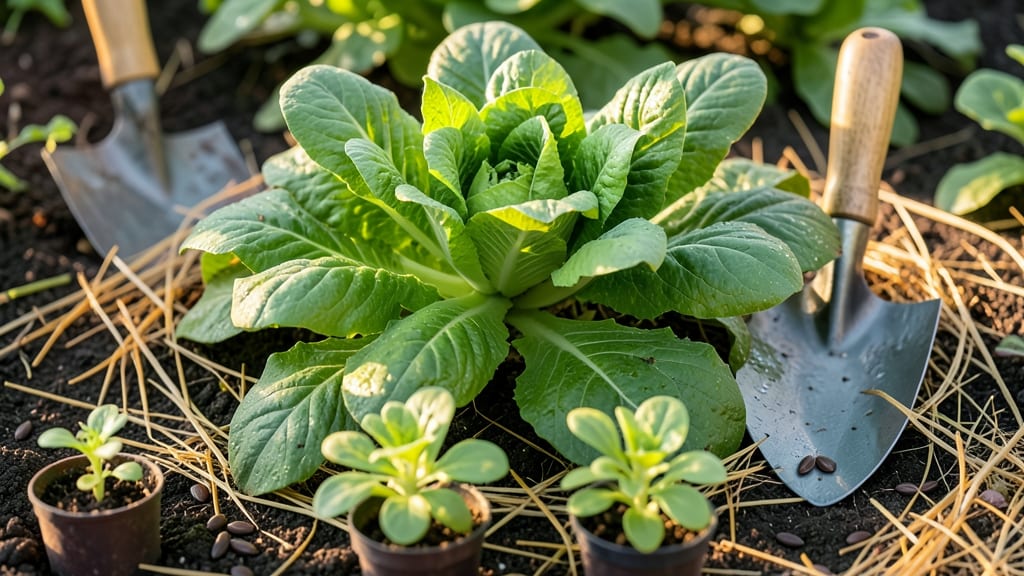
When do you plant lettuce in Georgia? The answer isn’t just about tossing seeds into the soil—it’s about timing it right to outsmart the heat and dodge frost. Plant too early, and a late freeze will turn your tender greens to mush; too late, and summer’s sweltering sun will make them bolt before you even taste them.
I’ve learned the hard way that Georgia’s 7b-8b climate demands precision. The key lies in two perfect windows: late winter through early spring (February to April) and late summer into fall (August to September).
These periods give your lettuce the ideal balance of cool temperatures and sunlight for crisp, flavorful growth.
But here’s the game-changer: not all lettuce varieties play well in Georgia’s heat. Some bolt faster than a rabbit in a garden, while others thrive when others fail.
I’ll show you which varieties stay cool under pressure and how to stretch your harvest season with simple tricks like shade cloth and succession planting.
Whether you’re a first-time gardener or a seasoned green thumb, mastering these techniques will give you a steady supply of fresh, homegrown lettuce 🥬 from spring through fall. Let’s dive into the exact dates, varieties, and strategies that work in your backyard.
Georgia lettuce planting calendar: frost dates & optimal months
Georgia's climate offers two perfect windows for planting lettuce: spring and fall. The key is avoiding frost damage in winter and summer heat stress. Most of the state falls in USDA Zones 7b-8b, meaning we enjoy a long growing season—but timing is critical for crisp, flavorful harvests.
Your last average frost date is around March 15, while the first frost typically arrives November 15. These dates vary slightly by region—North Georgia (like Athens) tends to be cooler, while South Georgia (like Savannah) has milder winters. Always check your local frost-free zone for precision.
For spring lettuce, aim to plant 4-6 weeks before your last frost date—typically February to early April. This gives seedlings time to establish roots before warm weather arrives. For fall lettuce, plant 8-10 weeks before your first frost (usually August to early September).
Here’s how to calculate your exact planting window: Subtract 30 days from your last frost date for spring, and 60 days for fall. For example, if your last frost is March 20, plant by February 20.
If your first frost is November 10, plant by September 10.
| Season | Planting Window | Harvest Window | Key Tips |
|---|---|---|---|
| Spring | February - April | April - June | Use shade cloth in late spring to prevent bolting. |
| Fall | August - September | October - December | Choose heat-tolerant varieties for late summer planting. |
| Winter (Coastal) | October - November | December - February | Use row covers for frost protection in North GA. |
If you're in North Georgia (like Dalton or Blairsville), your frost dates may be 1-2 weeks earlier than the state average. Conversely, South Georgia (like Valdosta or Savannah) often enjoys longer frost-free periods, allowing for extended fall harvests. Always monitor local weather forecasts for adjustments.
For succession planting, sow new seeds every 2-3 weeks during your optimal window. This ensures a steady supply of fresh lettuce without overwhelming your garden at once.
For example, plant a batch in early March, another in mid-March, and a final one in early April for continuous harvests.
Soil temperature is another critical factor. Lettuce seeds germinate best in soil that’s 40-80°F. In Georgia, this typically means waiting until mid-February for spring and mid-August for fall. Use a soil thermometer to check—if temperatures dip below 40°F, wait a week or two before planting.
Pro tip: Start seeds indoors 4-6 weeks before your outdoor planting date to get a head start. Use seed trays with a heating mat if your home is chilly. Transplant seedlings outdoors when they’re 2-3 inches tall and hardened off (acclimated to outdoor conditions).
Remember, Georgia’s humidity can be tricky. Space your lettuce plants 8-12 inches apart to allow airflow and reduce fungal diseases like downy mildew. Mulch with straw or shredded leaves to retain moisture and suppress weeds—especially important during our hot, dry summers.
By following this planting calendar, you’ll avoid the two biggest lettuce pitfalls in Georgia: frost damage and summer bolting. With the right timing, you’ll enjoy crisp, homegrown lettuce from spring through fall—no bitter leaves in sight! 🥬
Best heat-tolerant lettuce varieties for Georgia summers
Georgia's summer heat can turn delicate lettuce into bitter, bolted messes—but the right varieties thrive under our scorching sun. I’ve grown heat-tolerant lettuce for years, and these top 5 varieties consistently deliver crisp harvests even when temperatures climb.
The secret? Choosing loose-leaf types and romaines that resist bolting and handle partial shade better than traditional head lettuces.
For summer plantings (August–September), prioritize varieties with maturity rates of 30–45 days. These fast growers reach harvest size before the heat peaks. My go-to is 'Black Seeded Simpson'—it’s my #1 heat-resistant pick because it tolerates up to 90°F without bolting.
Other top contenders include 'Jericho' (great for hot climates) and 'Romaine' types like 'Parris Island' (which handles humidity well).
🌱
Heat-Tolerant Lettuce Varieties
✅ 90°F tolerance
✅ 45-day maturity
✅ Loose-leaf
✅ 85°F tolerance
✅ 30-day maturity
✅ Butterhead
✅ 80°F tolerance
✅ 50-day maturity
✅ Crisp heads
✅ 85°F tolerance
✅ 35-day maturity
✅ Iceberg type
✅ 80°F tolerance
✅ 50-day maturity
✅ Decorative leaves
To extend summer harvests, I use succession planting every 2–3 weeks after the initial August sowing. This ensures a steady supply of fresh leaves. For example, plant 'Jericho' in early August, then again in mid-August and early September.
Combine this with drip irrigation (set to run in the early morning) to keep roots cool and prevent wilting.
Even heat-tolerant varieties need afternoon shade during Georgia’s peak summer (June–July). I drape lightweight shade cloth over my raised beds, which drops soil temperatures by 10–15°F and delays bolting. If you’re growing in containers, move them to a north-facing porch or under a patio umbrella during the hottest hours.
💧 Avoid overwatering—lettuce hates soggy roots. Instead, water deeply once every 2–3 days in the morning. Mulch with straw or grass clippings to retain moisture and keep roots cool. This simple trick has cut my summer lettuce bolting by 70% over the years.
For late-season plantings (September), switch to cold-hardy varieties like 'Winter Density' or 'Arctic King'. These handle Georgia’s cooling fall temperatures better and can even survive light frosts. Harvest before the first frost (around November 15), but don’t rush—lettuce tastes sweeter after a light frost!