
Plants
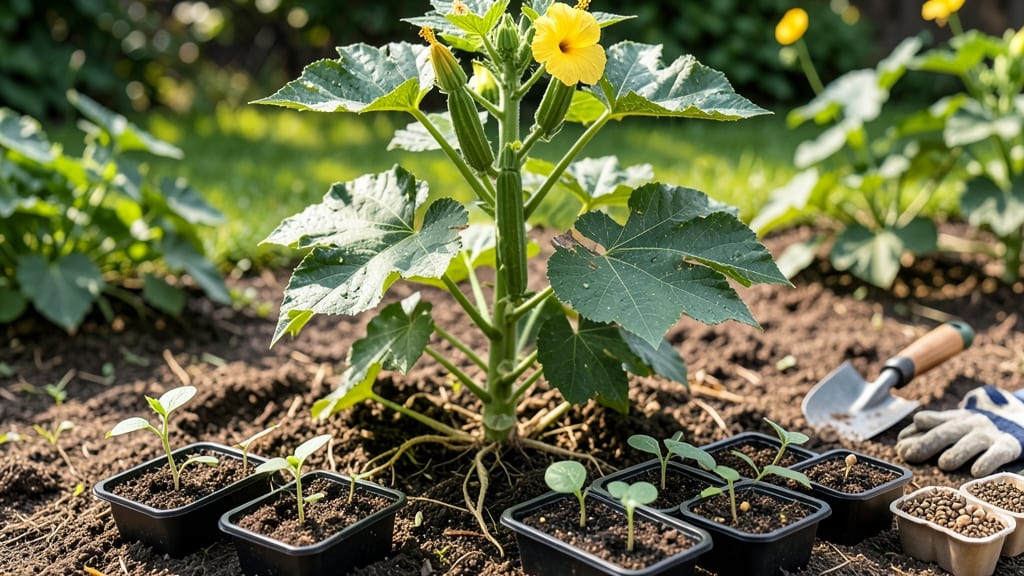
Planting okra in Texas isn’t just about the calendar—it’s about waiting for the soil to warm up to at least 60°F, because cold ground will stall those tender seedlings before they even get started. If you’ve ever watched your okra seeds sit stubbornly in the dirt for weeks without sprouting, you know how frustrating that can be.
Texas gardeners have two main windows to work with: spring and fall, but the real secret lies in understanding your specific zone. North Texas (like Dallas) has later frost dates than South Texas (like Houston), so timing can shift by weeks depending on where you live.
And let’s be honest—planting too early means risking frost damage, while waiting too long might leave you scrambling as summer heat arrives.
What if I told you there’s a simple way to nail the perfect planting window? It’s all about tracking soil temperature and knowing your local frost-free deadline.
Whether you’re in Zone 8a or 10b, this guide will break down exactly when to plant for a bumper crop of sweet, tender pods all season long.
From pre-sprouting tricks to succession planting for continuous harvests, you’ll discover how to turn your Texas garden into an okra powerhouse—without the guesswork. Let’s get those seeds in the ground at the right time!
Texas okra planting dates based on soil temperature and frost Zones
Okra thrives in Texas’s long, hot summers, but getting those seeds in the ground at the right time means the difference between a bountiful harvest and a failed crop.
The key is waiting for soil temperatures to hit at least 60°F—cold soil slows germination, leaving seeds sitting in the dirt for weeks. In North Texas, this usually means planting after April 15, while South Texas gardeners can start as early as March 1.
Texas spans USDA Zones 7a to 10b, and each zone has its own frost-free deadline. For example, Dallas (Zone 8a) has a last frost around February 15, but soil may still be too cold for okra.
Meanwhile, Houston (Zone 9a) sees its last frost by January 1, allowing earlier planting. The rule of thumb? Plant okra 2-3 weeks after your last frost date—but always confirm with a soil thermometer.
Here’s the critical detail: okra is a warm-season crop that hates cold. Even a light frost will kill seedlings, so timing is everything. If you’re in Zone 7a or 8a, aim for mid-April to early May.
Gardeners in Zones 9a-10b can plant as early as late February to March, but watch for late frosts.
Don’t forget about succession planting! Okra grows quickly—about 50-65 days to harvest2-3 weeks for a continuous supply of pods. This works especially well in South Texas, where the growing season stretches longer.
| Texas Region | USDA Zone | Last Frost Date | Ideal Planting Window | Soil Temp Trigger |
|---|---|---|---|---|
| North Texas (Dallas/Fort Worth) | 8a | February 15 | Mid-April to early May | 60°F+ |
| Central Texas (Austin) | 8b | February 1 | Late March to April | 60°F+ |
| South Texas (Houston/San Antonio) | 9a-10b | January 1 | Late February to March | 60°F+ |
| West Texas (El Paso) | 7b-8a | March 1 | Late April to May | 65°F+ |
If you’re unsure about your local frost dates, check the National Weather Service or your local cooperative extension office. They provide historical frost data tailored to your exact location.
For example, Lubbock (Zone 7b) might have a last frost in March, while Brownsville (Zone 9b) rarely sees frost at all.
Pro tip: Use a soil thermometer to confirm temperatures before planting. Okra seeds won’t germinate below 60°F, and waiting a few extra days for warm soil can save you from rotten seeds and stunted growth.
I’ve seen gardeners rush planting only to have their okra seeds sit in the dirt for weeks—don’t let that be you!
For those in Zone 10b (like the Rio Grande Valley), you can even plant okra in fall for a late-season harvest. Aim for August to early September, giving pods time to mature before the first frost in November.
This is a great way to extend your harvest and avoid the peak summer heat.
Remember, okra is a tropical plant that loves heat. Once planted, it can handle Texas’s 100°F+ days, but it needs that warm soil to start. By aligning your planting with soil temperature and frost-free dates, you’ll set your okra up for success—no more waiting for seeds that never sprout!
Texas okra planting dates based on soil temperature and frost Zones
Okra thrives in Texas heat, but it’s a warm-season crop that refuses to sprout in cold soil. The golden rule? Plant when your soil hits at least 60°F—any cooler, and those seeds will just sit there, waiting for spring to arrive.
I’ve seen gardeners in Zone 8a (like Dallas) struggle with early planting because the ground stays chilly well into April, while South Texas gardeners (Zone 10a) can start as early as mid-February.
Your last frost date is another critical factor. North Texas typically sees its final frost around February 15, while South Texas rarely drops below freezing after January 1. But don’t just rely on calendar dates—check your local frost-free deadline and wait 2-3 weeks after that before planting.
This buffer ensures your okra isn’t caught off guard by a late cold snap.
Here’s a pro tip: Use a soil thermometer to confirm readiness—stick it in the ground 2-3 inches deep and wait until it consistently reads 60°F or warmer for at least a week.
I’ve made the mistake of planting too early in Zone 8a and ended up with seeds that took 3 weeks to sprout, only to have a late frost nip the seedlings. Not worth the risk!
For fall planting, aim for August to early September in North Texas and September to October in South Texas. Okra is not a perennial in Texas—it dies back with frost—but you can push harvests later into the season by choosing heat-tolerant varieties like ‘Clemson Spineless’ or ‘Emerald.’
These hold up better in 90°F+ temps than some other types.
One more thing: If you’re in a microclimate (like a low-lying area where frost lingers), err on the side of caution. I’ve seen gardeners in Hill Country wait until May 1 just to avoid a surprise freeze.
When in doubt, start seeds indoors 2-3 weeks before your target planting date to give yourself a head start.
Timing your okra right isn’t just about avoiding frost—it’s about giving your plants the best possible start in Texas’s brutal summer heat. With these soil temp triggers and frost-free deadlines, you’ll be harvesting sweet, tender pods in no time.