
Plants
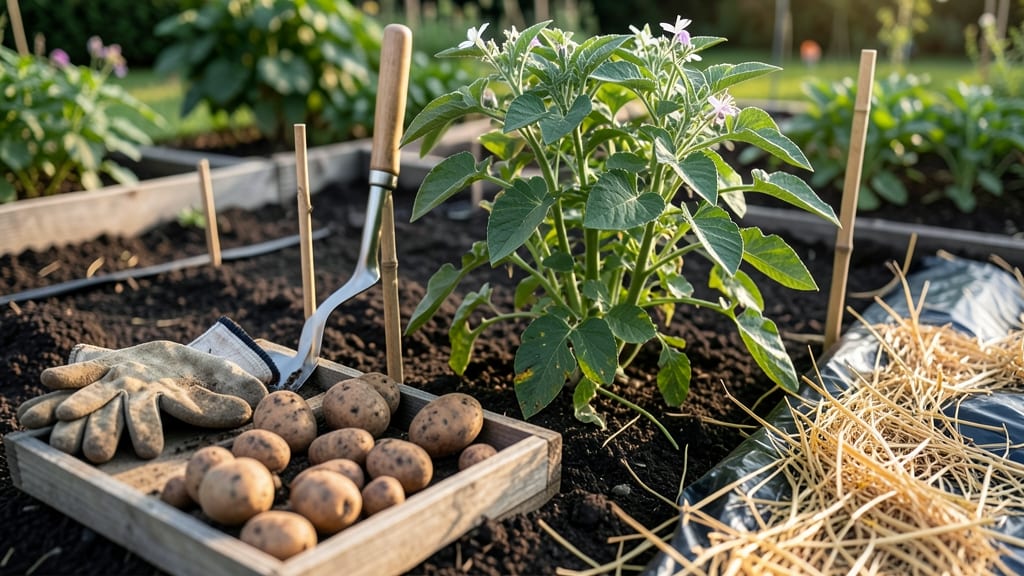
When do you plant potatoes in North Carolina isn’t just about following a calendar—it’s about beating the last frost while avoiding summer’s brutal heat. In zones 7a-8b, those February-March windows can make or break your harvest, especially when temperatures swing wildly between freezing nights and warm days.
Most gardeners in North Carolina focus on early spring planting, but did you know late-winter varieties can also thrive if you adjust for your specific microclimate?
Whether you're in the Piedmont’s rolling hills or the Coastal Plain’s milder stretches, getting the timing right means the difference between plump, disease-free potatoes and shriveling tubers.
I’ll break down the exact planting windows for your zone, including when to start seed potatoes indoors (if needed) and how to tell if your soil is ready. Plus, I’ll share pro tips to extend your harvest season—because in NC’s unpredictable climate, flexibility is key.
Ready to dig in? Let’s turn your potato patch from a gamble into a guaranteed harvest—no matter where you garden in the Tar Heel State.
North Carolina potato planting dates by hardiness Zone (6b, 7a, 7b, 8a)
North Carolina's diverse climate—from the cool mountain regions to the warmer coastal plains—means potato planting dates vary dramatically. Understanding your USDA hardiness zone and last frost date is critical for timing your plantings right.
In Zone 6b (mountains), you'll plant earlier than in Zone 8a (coastal areas), where heat arrives sooner.
The key to success is planting when soil temperatures reach 45°F (7°C)—cold soil delays germination. Most NC gardeners aim for 2-4 weeks before the last frost, but early varieties can handle slightly cooler soils.
For Zone 7a/b (Piedmont), this typically means mid-February to early March, while coastal areas can start as early as late January.
Here’s how to match your planting window to your zone for maximum tuber production and fewer pests:
| Zone | Last Frost Date | Ideal Planting Window | Soil Temp Threshold | Early Varieties | Late Varieties |
|---|---|---|---|---|---|
| 6b (Mountains) | April 15 | March 1-15 | 45°F (7°C) | Yukon Gold, Red LaSoda | Kennebec, Russet |
| 7a (Piedmont) | March 20 | February 20-March 10 | 45°F (7°C) | Adirondack Blue, Fingerling | Sweet Potato, Purple Viking |
| 7b (Coastal Piedmont) | March 10 | February 15-March 5 | 50°F (10°C) | Red Norland, Kennebec | Russet Burbank, Yukon Gold |
| 8a (Coastal Plain) | February 28 | January 20-February 10 | 50°F (10°C) | Sweet Potato, Purple Majesty | Red LaSoda, Kennebec |
🌱 Pro Tip: Coastal areas can also plant a fall crop in September for harvest before frost.
For Zone 6b gardeners in the mountains, like those in Asheville, focus on early-maturing varieties (60-70 days) to avoid late spring frosts. In contrast, Zone 8a gardeners in Wilmington can plant heat-tolerant varieties like Sweet Potato as early as January for a spring harvest.
Soil temperature is just as critical as air temperature. Use a soil thermometer to confirm readiness—potatoes won’t sprout in cold, wet soil. If your soil is still below 45°F (7°C) in early March, wait another week or use black plastic mulch to warm the soil faster.
Another key factor is daylength. Potatoes need 12-14 hours of daylight to thrive, which is why late March plantings often perform better in Zone 7a/b than earlier ones. If you plant too early, your tubers may sprout but not bulk up before the heat of summer.
Don’t forget about fall planting! In Zone 7b/8a, you can plant a second crop in late August to early September for a winter harvest
How to time potato planting for maximum yield in NC’s climate
Timing your potato planting in North Carolina isn’t just about avoiding frost—it’s about leveraging the state’s microclimates and soil temperature shifts to maximize your harvest.
The Piedmont region (Zone 7a-7b) has earlier last frost dates (March 15) compared to the Coastal Plain (Zone 8a), where you might wait until late March or early April. Even within these zones, valley vs. mountain locations can differ by 2-3 weeks in safe planting windows.
For maximum yield, aim to plant when soil temperatures reach 45°F (7°C)—this ensures consistent germination without risking rot from cold, wet soil. Use a soil thermometer to check depths of 4-6 inches, where your seed potatoes will sit.
In Zone 6b (western NC mountains), this often means waiting until mid-April, while Zone 8a gardeners can start as early as February 15 for early varieties like 'Yukon Gold' or 'Red LaSoda'.
Another pro tip: Stagger your plantings every 2-3 weeks to extend your harvest season. Start with early-maturing varieties (60-90 days) in February-March, then follow with medium-maturing (90-120 days) in April.
This lets you harvest new potatoes from May through July, avoiding the heat stress that reduces yields in summer’s 90°F+ days. For example, plant 'Kennebec' (110 days) in early April for a July harvest, then 'Dakota Gold' (80 days) in late March for a June pick.
🌱 3 Key Timing Strategies for NC Potatoes
- Soil Temp Check: Wait until soil hits 45°F (7°C) at 4-6" depth—use a thermometer for accuracy. Cold soil = rot risk.
- Stagger Plantings: Space out varieties by 2-3 weeks to spread harvest from May to July. Example: 'Red Pontiac' (Feb 15) + 'Russet Burbank' (Mar 15).
- Microclimate Adjustments: Mountain gardens plant 2-3 weeks later than Piedmont; Coastal Plain can start earlier for heat-tolerant varieties.
Don’t overlook companion planting to protect your crop. Pair potatoes with bush beans or marigolds to deter pests like Colorado potato beetles, which thrive in NC’s warm springs. Plant onion sets nearby—their scent confuses beetles while adding flavor complexity to your harvest.
For soil health, work in compost or aged manure 2-3 weeks before planting to boost organic matter, which helps regulate soil temperature and moisture.
If you’re in a warmer microclimate (e.g., Raleigh or Wilmington), consider a fall planting for late-season varieties like 'German Butterball' (100 days). Plant in late July or August when soil cools slightly, aiming for a November harvest before first frost.
Use black plastic mulch to warm soil faster in spring or keep it cooler in fall plantings—this can shift your planting window by 1-2 weeks either direction.
Finally, watch for blossom end rot if you plant too late—this fungal issue thrives in hot, dry soil common in NC summers. To prevent it, mulch with straw or grass clippings to retain moisture and apply a balanced fertilizer (10-10-10) at planting and when vines reach 6 inches tall.
Avoid over-fertilizing with nitrogen, which leads to leafy growth at the expense of tubers.
With these adjustments, you’ll turn NC’s unpredictable climate into an advantage—harvesting new potatoes in June, storage potatoes in July, and even a fall crop if you’re in the right zone.
The key? Pay attention to soil temps, stagger your plantings, and choose the right varieties for your microclimate. 🌿