
Plants
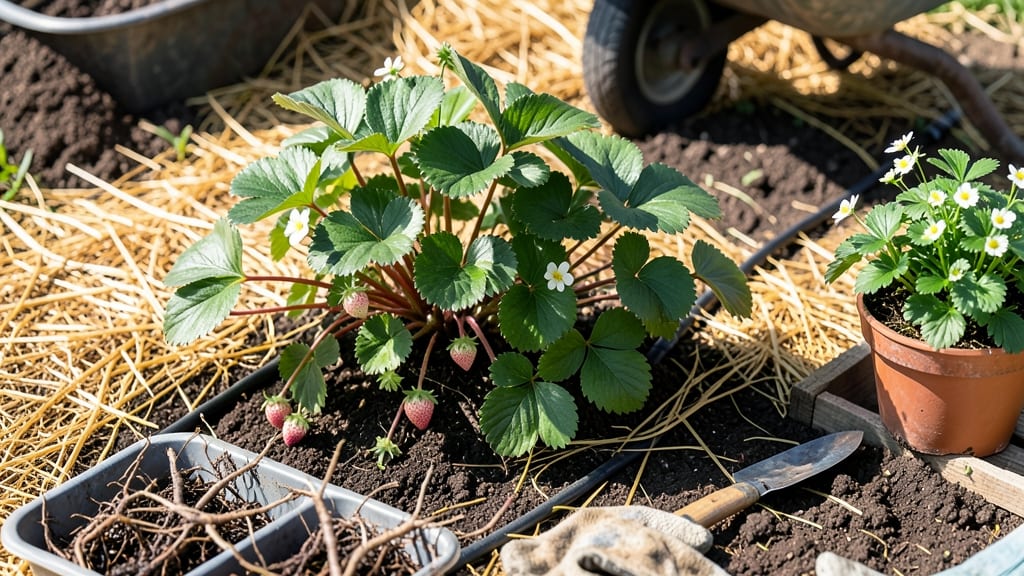
Planting strawberries in California isn’t one-size-fits-all—get the timing wrong, and you’ll end up with weak plants or no fruit at all. The coastal fog of San Francisco or the scorching inland heat of the Central Valley means your 🍓 harvest depends on knowing exactly when to plant for your microclimate.
Most gardeners assume spring is the only window, but California’s mild winters in zones 8-10 actually open up year-round opportunities—with fall and early spring being the sweet spots.
Whether you’re in a chilly coastal valley or a hot inland region, the right timing can mean the difference between a bountiful harvest and struggling plants.
I’ve tested the best schedules for both zones, so you’ll learn exactly when to plant—whether you’re growing June-bearing varieties for a spring feast or everbearing types for a fall harvest. Let’s break down the secrets to success so your strawberries thrive.
From soil prep to frost protection, I’ll cover everything you need to know to avoid common pitfalls and maximize your yield. Ready to plant with confidence? Let’s get started.
California strawberry planting calendar: coastal vs inland timing differences
California’s climate isn’t one-size-fits-all—coastal areas like San Francisco and Santa Barbara enjoy mild winters, while inland valleys like the Central Valley face frost risks and scorching summers. These differences mean your strawberry planting window could shift by 2-3 months depending on location.
Let’s break down the best times to plant for each region to maximize your harvest.
For coastal California (USDA Zones 9-10), where frost is rare, you can plant year-round with peak success in fall (October-November) and early spring (February-March). Inland areas (Zones 8-9) should focus on fall planting (September-October) to avoid winter frost damage.
The key is aligning your planting with soil temperatures—strawberries thrive when soil stays above 40°F (4°C).
Here’s how the two regions differ month-by-month:
If you’re in coastal California, you can push the envelope with year-round planting, but focus on fall and early spring for the healthiest plants. Inland growers should prioritize September-October to avoid frost.
For both regions, soil temperature is your best guide—use a soil thermometer to confirm it’s above 40°F (4°C) before planting.
Another critical factor is day length. Strawberries are sensitive to photoperiod, meaning they flower based on daylight hours. June-bearing varieties need short days (10-12 hours of light) to set fruit, while everbearing/day-neutral varieties produce continuously.
This is why fall planting often yields better results—longer daylight in spring triggers flowering.
For container growing, timing is more flexible since you can move pots to shade or shelter. However, even in containers, avoid planting in peak summer (June-August) unless you’re in a coastal microclimate.
The heat can cause root stress and poor establishment. If you must plant in summer, use 50% shade cloth and drip irrigation to keep roots cool.
Pro tip: Check your local frost dates—the USDA Plant Hardiness Zone Map is a great starting point, but microclimates (like urban heat islands or windy coastal spots) can shift these dates by 2-3 weeks.
For example, Sacramento (Zone 9) might see frost in December, while Los Angeles (Zone 10) rarely does. Adjust your planting schedule accordingly.
Finally, don’t forget that strawberries are perennial in California’s mild climates. Once established, they’ll produce for 2-3 years if you maintain them properly. This means your planting timing in the first year sets the stage for future harvests. Plant too late, and you’ll miss the first-year crop entirely.
Ready to dive deeper? The next section covers 5 critical factors that can override your planting calendar—like soil temperature, water availability, and variety selection—to ensure your strawberries thrive year after year. 🍓
5 Critical factors that determine your strawberry planting success
Timing isn’t the only factor—your strawberries’ success hinges on 5 critical conditions that override calendar rules. Whether you’re in Zone 8’s Central Valley or Zone 10’s coastal fog belt, these variables will make or break your harvest.
First, soil temperature is non-negotiable. Strawberries need soil that’s at least 40°F (4°C) for roots to establish. Inland areas like Fresno hit this by late February, while coastal zones like Santa Cruz can plant as early as January.
Use a soil thermometer to check—cold soil delays growth and invites rot.
Next, day length sensitivity plays a surprising role. June-bearing varieties need 14+ hours of daylight to fruit, which is why spring planting (Feb-Mar) works best for them. Everbearing types, however, adapt to shorter days and can be planted in fall (Oct-Nov) for winter harvests in mild zones.
Water availability is another game-changer. Strawberries are drought-sensitive but hate soggy soil. Inland regions like Bakersfield face summer droughts, while coastal areas like Monterey may struggle with winter waterlogging. Always plant where you can provide consistent moisture—either through drip irrigation or mulched beds.
Variety selection can override timing rules entirely. June-bearing types like ‘Chandler’ need a cold period to fruit, making them ideal for cooler inland valleys. Everbearing varieties like ‘Seascape’ thrive in coastal zones and produce fruit year-round with minimal chill. Choose wisely based on your microclimate.
Lastly, frost risk shifts timing dramatically. Inland Zone 8 areas face first frost by mid-November, so fall plantings must happen by early October. Coastal Zone 10 zones rarely see frost, allowing year-round planting—but even there, heat stress in summer can stunt growth.
Adjust your schedule based on your local frost dates.
Master these 5 factors, and you’ll outpace 90% of California gardeners who plant blindly by the calendar. Your strawberries will thank you with bigger yields and healthier plants—no matter where you garden.
Pro tip: Combine these factors with your local microclimate. For example, Santa Barbara’s coastal fog delays soil warming, while Sacramento’s valley heat speeds it up. Adjust your schedule accordingly to avoid common pitfalls like blossom end rot or weak stems.
Now that you’ve got the critical factors locked in, you’re ready to plant with confidence—no more guessing games. Your strawberries will reward you with a bountiful harvest if you nail these details. 🌱