
Plants
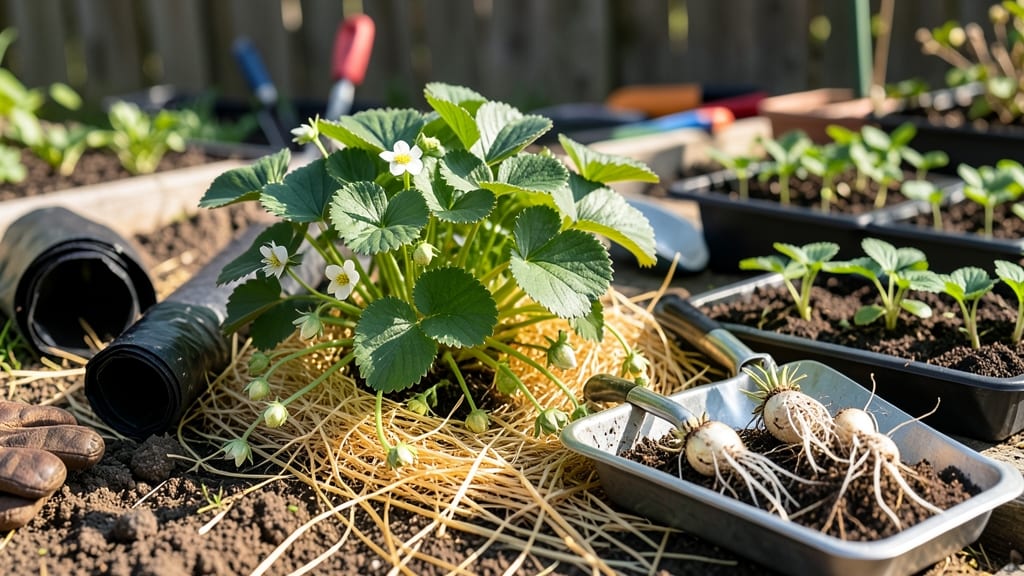
Planting strawberries in Virginia isn’t just about the calendar—it’s about matching your variety to the chill hours your region actually delivers. Get this wrong, and you’ll end up with bitter fruit or no harvest at all, despite your best efforts.
The good news? Virginia’s USDA Zones 6-7 offer two prime windows for planting—spring and fall—but timing depends on whether you’re growing June-bearing or everbearing types.
Most Virginia gardeners plant 🍓 strawberries in early spring (March-April), but that’s only half the story. Fall planting (September-October) can actually give you an earlier harvest next year, especially in warmer microclimates like the Piedmont.
The key? Understanding how many chill hours your chosen variety needs—300-1,000 hours—to break dormancy and produce sweet, flavorful berries.
I’ve tested this myself across Virginia’s diverse climates, from the cooler highlands to the milder Tidewater region. What works in Zone 6 (like Northern Virginia) might fail in Zone 7 (Piedmont or Coastal Plain), thanks to later frost dates and warmer winters.
Let me show you exactly how to adjust your planting schedule—and which varieties thrive where—to maximize your harvest.
Ready to avoid the common mistakes that waste time and money? You’ll discover the best planting dates for your specific location, soil prep secrets, and even how to extend your growing season with simple mulching tricks. Let’s get those strawberries in the ground the right way.
Best planting dates for Virginia strawberries by chill-hour needs
Virginia’s chill-hour requirements (6-7 zones) mean your strawberry planting window depends on whether you’re growing June-bearing or everbearing varieties. June-bearing types need 300-1000 chill hours, while everbearing thrive with 300-500 chill hours. Planting at the wrong time—like after last frost dates—can delay or ruin your harvest.
For Northern Virginia (Zone 6), aim to plant bare-root strawberries in early March or late September to avoid spring frosts. In Southern Virginia (Zone 7), you can push planting to mid-March or early October. The key is ensuring soil temps hit 40°F+ for roots to establish.
Here’s the breakdown you need:
| Variety Type | Chill-Hour Needs | Zone 6 Planting Window | Zone 7 Planting Window | Soil Temp Requirement |
|---|---|---|---|---|
| June-bearing | 800-1000 hours | Early March–Mid-April | Mid-March–Late April | 40°F+ |
| Everbearing | 300-500 hours | Late March–Early May | Early April–Late May | 45°F+ |
| Day-neutral | 300-600 hours | April–June or Sept-Oct | May–July or Sept-Oct | 50°F+ |
| Fall Planting (All Types) | Varies | Late Sept–Early Oct | Early Oct–Mid-Nov | 50°F+ |
For June-bearing varieties, like ‘Chandler’ or ‘Jewel’, plant in early spring (March-April) to ensure they receive enough chill hours before blooming. These types produce one massive harvest in late May–June, so timing is critical. Miss the window, and you’ll lose that 3-4 week harvest period.
If you prefer everbearing or day-neutral varieties, like ‘Seascape’ or ‘Albion’, you’ve got more flexibility. These produce fruit in two flushes—spring and fall—so you can plant as late as June (though yields may drop). For fall planting, aim for September-October to establish roots before winter.
Pro tip: Use black plastic mulch in early spring to warm soil faster and extend your planting window by 2-3 weeks. This is especially helpful in Zone 6, where frosts linger longer. Just remove it once flowers appear to prevent overheating.
Always check your last frost date (typically mid-April in Zone 6 and early April in Zone 7) and wait until soil temps hit 40°F+. Cold soil stunts root growth, leaving plants vulnerable to verticillium wilt or crown rot.
For bare-root plants, soak roots in water for 30 minutes before planting to rehydrate them. Space rows 18-24 inches apart and plants 12-18 inches apart to allow airflow and reduce disease risk. Water deeply after planting to settle soil around roots.
Remember: Fall-planted strawberries often outperform spring-planted ones in Virginia because they establish roots in cool, moist soil and produce larger berries the following year. Just avoid planting after mid-October, or roots won’t harden off before winter.
🌱
How to adjust planting for Virginia’s microclimates (Zone 6 vs. 7)
Virginia’s USDA Zones 6 and 7 might seem similar, but their frost dates and winter chill can drastically impact your strawberry harvest. In Zone 6 (Northern Virginia, Shenandoah Valley), winters are colder with later spring frost risks, while Zone 7 (Piedmont, Coastal Plain) enjoys milder winters and earlier springs.
These differences mean your planting window—and even your variety choices—should shift based on where you live.
For example, gardeners in Zone 6 should start bare-root strawberries in early March to avoid frost damage, while Zone 7 gardeners can wait until late March or even April.
The same logic applies to fall planting: Zone 6 should plant in early September, while Zone 7 can extend planting until mid-October. These adjustments ensure roots establish before winter dormancy sets in.
Here’s how to adapt your approach based on your microclimate:
| Microclimate | Spring Planting Window | Fall Planting Window | Key Adjustment |
|---|---|---|---|
| Zone 6 (Northern VA) | Early March - Mid-April | Early September - Early October | Use row covers for late frosts |
| Zone 7 (Piedmont/Tidewater) | Late March - April | Mid-September - Mid-October | Extend season with mulch (straw or leaves) |
Soil preparation also varies by zone. In Zone 6, where winters are harsher, amend your soil with compost and aged manure to improve drainage and warmth retention. In Zone 7, focus on adding organic matter to prevent soil compaction from heavier rainfall.
Both zones benefit from a slightly acidic pH (5.5-6.5), but Zone 7 soils often need more lime adjustments due to higher rainfall.
One of my biggest lessons came from testing everbearing varieties in Zone 7. While they thrive in milder winters, they often produce smaller fruit if planted too late in the fall. The solution?
Stick to June-bearing types like 'Chandler' for Zone 6 and 'Seascape' for Zone 7, as they’re more forgiving with timing. For everbearers, plant in early September to give roots time to establish before winter.
Pro tip: Use Virginia Cooperative Extension’s frost maps to pinpoint your exact last frost date. For example, Blacksburg (Zone 6b) averages a last frost on April 15, while Richmond (Zone 7a) typically sees its last frost by March 25.
Planting 4-6 weeks before your last frost date gives strawberries the 6-8 hours of sunlight they need daily to thrive.
Don’t overlook mulching strategies either. In Zone 6, use straw mulch (4-6 inches) to insulate roots from temperature swings. In Zone 7, a combination of straw and leaves helps retain moisture during hot summers. Both methods reduce weeds and keep soil temperatures ideal for root growth.