
Plants
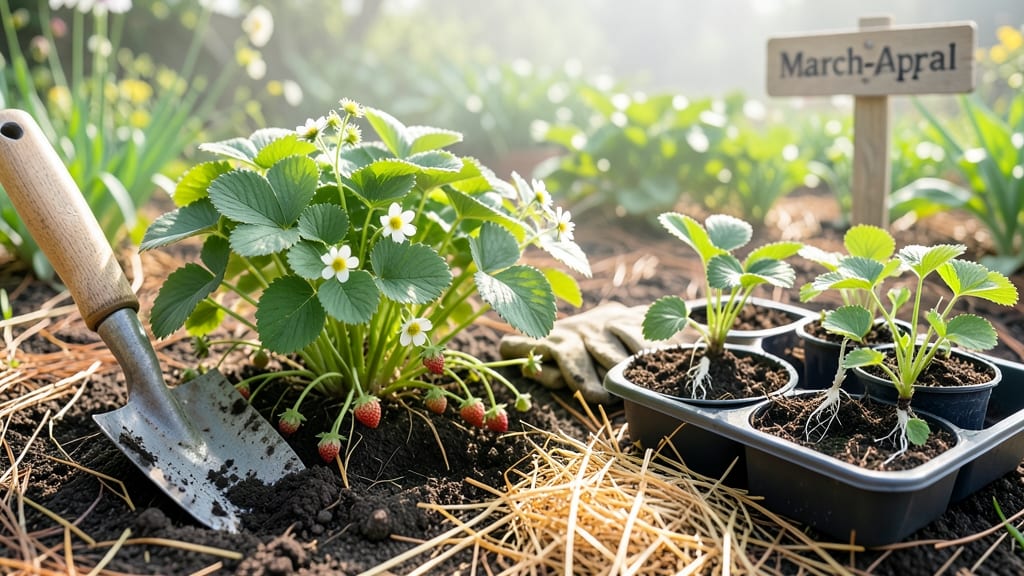
Planting strawberries in Zone 7 at the wrong time can mean the difference between a bountiful harvest and wasted effort. The key to success lies in understanding your local frost dates and choosing the right planting window—whether you're working with bare-root plants or potted varieties.
For Zone 7 gardeners, the ideal time to plant strawberries is 4-6 weeks before the last frost, typically in early spring (March) or early fall (September). This timing allows your plants to establish strong roots before summer heat or winter cold sets in.
I'll walk you through the exact weeks to plant based on your subregion (7a or 7b), soil preparation tips, and how to protect young plants from unexpected frosts. Whether you're growing June-bearing or everbearing varieties, these strategies will help you maximize your yield.
Ready to grow sweet, juicy strawberries that thrive in your climate? Let's dive into the best planting schedule and care tips tailored just for Zone 7.
Best planting weeks for strawberries in Zone 7: exact timing by season
Zone 7 gardeners have two prime windows to plant strawberries: early spring (4-6 weeks before last frost) and early fall (6-8 weeks before first frost). For most of Zone 7, this translates to late February through March for spring planting and late August through September for fall.
The exact timing depends on your subzone (7a vs. 7b) and local frost patterns.
Spring planting gives strawberries time to establish roots before summer heat, while fall planting allows for an early harvest the following spring. Everbearing varieties like 'Albion' or 'Seascape' can produce fruit in both seasons if planted correctly, making timing even more critical for maximizing yields.
For June-bearing varieties (the most common type), March 1-15 is ideal in most of Zone 7. This gives plants 6-8 weeks to root before active growth begins. In colder Zone 7a areas, aim for March 15-30 to avoid early frost damage to tender new growth.
| Planting Window | Zone 7a Target Dates | Zone 7b Target Dates | Variety Recommendations |
|---|---|---|---|
| Spring Planting | March 15-30 | March 1-15 | June-bearing: 'Chandler', 'Jewel'; Everbearing: 'Albion' |
| Fall Planting | September 1-15 | September 15-30 | Everbearing: 'Seascape', 'Tristar'; June-bearing: 'Honeoye' |
| Soil Temperature | Above 40°F | Above 40°F | Use soil thermometer; warm soil speeds root growth |
| Post-Planting Care | Mulch heavily | Mulch heavily | Straw or shredded leaves; 3-4 inches deep |
Fall planting offers advantages for Zone 7 gardeners. Strawberry plants establish roots in cool soil while avoiding summer heat stress. For fall success, aim to plant 6-8 weeks before your first frost date (typically September 1-30). This timing ensures plants have enough time to root before winter dormancy begins.
Everbearing varieties are perfect for fall planting because they can produce fruit the following spring. 'Seascape' and 'Tristar' are excellent choices that thrive in Zone 7's climate. These varieties will give you two harvests: a small fall crop and a larger spring harvest.
If you're planting bare-root strawberries, soak the roots in water for 1-2 hours before planting to rehydrate them. This is especially important for fall plantings where soil moisture may be lower. Plant with the crown (where leaves meet roots) just above soil level to prevent rot while allowing for settling.
For container gardening in Zone 7, you can plant strawberries 2-3 weeks earlier than ground planting since containers warm up faster in spring. Use well-draining potting mix and ensure pots have drainage holes. Containers also allow you to move plants to protected locations if frost threatens.
Remember that strawberries need 6-10 hours of full sun daily for optimal fruit production. When planning your planting window, consider your garden's sunlight patterns. Shadier areas may require you to plant 1-2 weeks later to avoid early-season heat stress on young plants.
After planting, water thoroughly to settle the soil and remove any air pockets. Keep the soil consistently moist but not soggy for the first 2-3 weeks to encourage root establishment. A 1-inch layer of mulch will help retain moisture and protect roots from temperature fluctuations.
Best planting weeks for strawberries in Zone 7: exact timing by season
In Zone 7, strawberries demand precision timing to thrive. The last average frost date typically falls around March 15, but your exact window depends on whether you're in Zone 7a (earlier frost) or Zone 7b (later frost).
For June-bearing varieties, aim to plant 4-6 weeks before last frost—usually late February to early March—while everbearing types can tolerate slightly later planting.
Fall planting offers a second chance for a fall harvest. Plant 6-8 weeks before first frost (around September 1-15 in Zone 7), giving roots time to establish before winter dormancy. This strategy extends your harvest window and reduces spring competition from weeds.
| Planting Window | Zone 7a (Earlier Frost) | Zone 7b (Later Frost) | Variety Notes |
|---|---|---|---|
| Spring Planting | Late Feb - Early Mar | Early Mar - Mid Mar | June-bearing: 'Chandler' or 'Jewel'; Everbearing: 'Seascape' |
| Fall Planting | Sep 1-15 | Sep 1-22 | Everbearing varieties preferred; mulch heavily |
| Soil Temp Requirement | 40°F+ | 40°F+ | Use black plastic mulch to warm soil if needed |
For June-bearing strawberries, focus on spring planting to maximize fruit production. These varieties need chilling hours (300-500) during winter, so planting too late in fall can reduce next year's yield. Everbearing types, like 'Seascape', are more flexible and can handle fall planting with proper winter protection.
Always check your local frost dates using the USDA Plant Hardiness Zone Map or your state's agricultural extension service. A 5-7 day buffer after the average last frost date ensures your plants aren't caught in a late freeze.
In Zone 7b, you might even squeeze in a late March planting for a summer harvest.
Pro tip: Use bare-root plants for spring planting—they establish faster than potted varieties. For fall, opt for potted plants to give roots a head start before winter.
Both methods work, but timing is critical: plant too early, and roots may rot; plant too late, and they won't establish before frost.
Once planted, prioritize consistent moisture and full sun exposure (6-10 hours daily). Strawberries in Zone 7 reward precise timing with sweeter fruit and higher yields—so mark those planting dates on your calendar now! 🌱