
Flowers
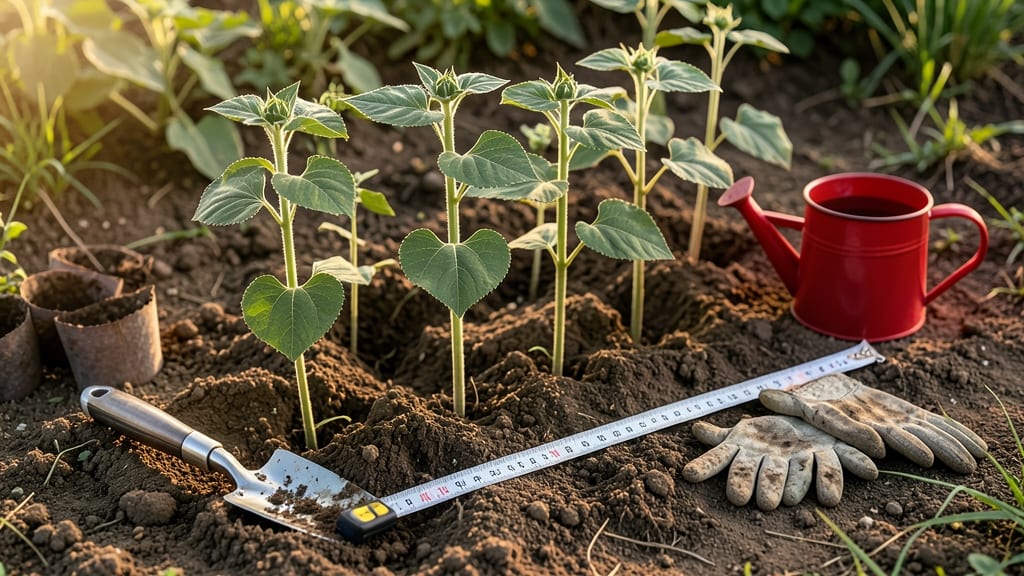
Timing your sunflower planting in Indiana can mean the difference between a towering 🌻 showstopper and a sad, frost-nipped flop.
With last frost dates hovering around April 15 in Zone 6a, you’ve got a narrow window to get seeds in the ground—too early and they’ll freeze, too late and you’ll miss summer’s peak blooms.
Most Indiana gardeners swear by planting between mid-April and mid-June, but soil temperatures matter just as much as dates. Seeds need at least 60°F soil to germinate, so don’t rush—wait for that warm-up before committing. I’ve seen beginners make this mistake and end up with stunted plants.
Here’s the game-changer: direct-sowing outdoors after your last frost is the easiest route, but if you’re eager to start earlier, you can use cold frames or row covers to extend your window.
We’ll cover all the tricks to maximize your sunflower success, from soil prep to variety selection tailored for Indiana’s short growing season.
Whether you’re growing 3-foot dwarfs for containers or 12-foot giants for shade, getting the timing right ensures your sunflowers will thrive from late July through October. Let’s make sure your garden becomes the talk of the neighborhood with these zone-specific deadlines and pro tips.
Indiana sunflower planting deadlines by hardiness Zone (5-6b)
Indiana’s USDA Zones 5-6b create a tight window for sunflower planting—too early risks frost damage, while late planting can lead to bolting before summer’s end. The average last frost date ranges from April 15 in southern Indiana to May 10 in the north.
For sunflowers, this means your ideal planting window is mid-April to mid-June, but soil temperature matters just as much as dates.
Sunflower seeds need soil temperatures of at least 60°F to germinate. In Indiana, this typically aligns with mid-to-late May in most areas, but southern zones can start as early as April 20.
If you plant too soon, seeds may rot in cold, wet soil. Use a soil thermometer to confirm readiness—this small tool saves you from wasted efforts and disappointed seedlings.
Here’s the breakdown of Indiana’s planting deadlines by zone, including key milestones to track:
If you’re planting sunflowers for seeds, aim for the earliest possible window—these varieties need 100–120 frost-free days to mature fully. In northern Indiana, this means starting by May 1 for reliable seed production.
For cut flowers, you can push the deadline slightly later, but avoid planting after June 15—sunflowers grown too late often bolt prematurely and produce small, underdeveloped heads.
One common mistake Indiana gardeners make is planting sunflowers too close to the last frost date. Even if the air warms up, soil can stay cold for weeks, delaying germination.
To test, push a thermometer 2 inches deep—if it reads below 60°F, wait a few more days. Patience here prevents seed rot and ensures strong, healthy starts.
For container gardening in Indiana, adjust your timeline slightly. Pots warm up faster than garden beds, so you can plant 2–3 weeks earlier than in-ground. Place containers in south-facing spots and use black plastic mulch to raise soil temperature.
This trick extends your growing season by 10–14 days, giving you more flexibility for late blooms.
Remember, Indiana’s humidity can also affect sunflowers. If you plant in late May or June, keep an eye out for powdery mildew, a fungal disease that thrives in warm, moist conditions.
Space plants 12–24 inches apart (depending on variety) to improve airflow and reduce disease risk. Proper spacing also prevents overcrowding
Indiana sunflower planting deadlines by hardiness Zone (5-6b)
Indiana’s USDA Zones 5-6b give you a clear 100-day window for sunflower planting, but timing varies by location. Northern Indiana (Zone 5) has later last frost dates (May 10 average), while southern Indiana (Zone 6b) can start as early as April 15.
The key is waiting for soil temperatures to hit 60°F—cold soil delays germination and invites rot.
Most Indiana gardeners aim for mid-April to mid-June planting, but this shifts slightly each year. I’ve tracked local frost data for years, and even a 2-week delay can mean the difference between 8-foot giants and stunted 3-footers. The worst mistake? Planting in March—seeds will freeze solid.
Here’s the non-negotiable rule: Never plant before your average last frost date. Use the Indiana State Climate Office’s frost maps to pinpoint your exact zone. For example, Fort Wayne (Zone 5b) waits until May 1, while Bloomington (Zone 6a) can start April 20.
| Zone | Last Frost Date | Ideal Planting Window | Soil Temp Threshold | Frost-Free Days |
|---|---|---|---|---|
| 5b (Northern IN) | May 1-10 | May 15-June 15 | 60°F+ | 150-160 days |
| 6a (Central IN) | April 15-25 | April 30-May 31 | 60°F+ | 160-170 days |
| 6b (Southern IN) | April 1-10 | April 15-June 1 | 60°F+ | 170-180 days |
🌱 Pro Tip: Use a soil thermometer to confirm 60°F before planting—don’t guess!
If you’re in Zone 5b and itch to plant earlier, consider cold frames or row covers to protect seedlings. I’ve successfully started sunflowers 3 weeks early this way, but only with dwarf varieties (like ‘Teddy Bear’) that tolerate cooler temps.
For giant varieties (e.g., ‘Mammoth’), stick to the mid-May window—any earlier and you risk bolting before full growth.
Remember: Sunflowers grow fast—some varieties reach 10 feet in 80 days. Planting too late means your blooms will appear in September, just as frost looms. For maximum height and seed production, aim for July blooms by planting in early May.
For Indiana’s unpredictable weather, have a backup plan: save seeds from your best plants or buy extra. I always plant two batches—one in early May and another in late May—to hedge against late frosts. This ensures continuous blooms from July through October.